

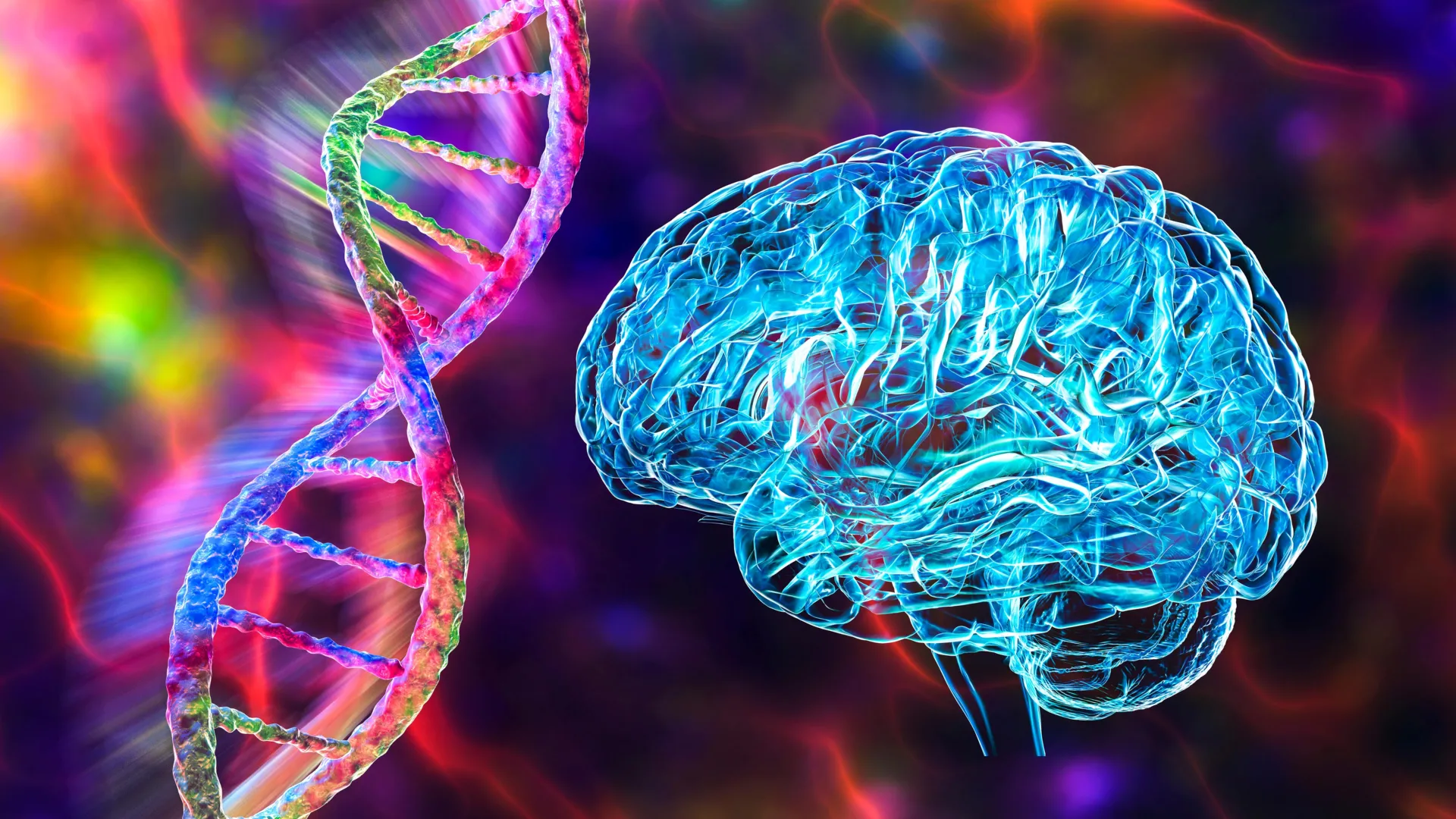
Researchers at Columbia’s Zuckerman Institute have identified a human-specific genetic mechanism that may help explain human cognitive abilities. The study, published in Neuron, focuses on microglia, the brain’s most abundant immune cells, which protect neural tissue from harm, remove damaged neurons, and support brain development.
The investigation centers on SRGAP2, a gene that was duplicated specifically in humans. Prior research established that human copies of this gene increase neural connections while slowing their maturation, resulting in denser networks that may enhance information processing. In the new work, researchers discovered that human-specific SRGAP2 copies are nearly ten times more prevalent in microglia than in neurons, prompting inquiry into their function in these immune cells.
Experiments using mice and human cell cultures revealed that human-specific SRGAP2 variants substantially extend microglia maturation timelines. Human microglia require approximately four to eight years to mature, compared to roughly three weeks for mouse microglia. This extended development mirrors the slow maturation of human neurons and appears to synchronize the developmental timing of multiple brain cell types during critical developmental periods.
The extended developmental timeline of the human brain compared to other mammals is termed neoteny and is believed to support the development of advanced cognitive abilities. The findings suggest SRGAP2 may coordinate this prolonged developmental pace across different brain cell types. Researchers indicate that understanding these mechanisms has implications for neurodevelopmental and neurodegenerative diseases, as microglia involvement in these conditions has recently been documented.
The team plans future research to determine the precise mechanisms through which the gene promotes slow development in microglia and other brain structures, working toward a comprehensive understanding of the genetic and cellular factors that distinguish the human brain from other species.
Article Attribution | Read More at Article Source
Article summary produced by Claude AI