

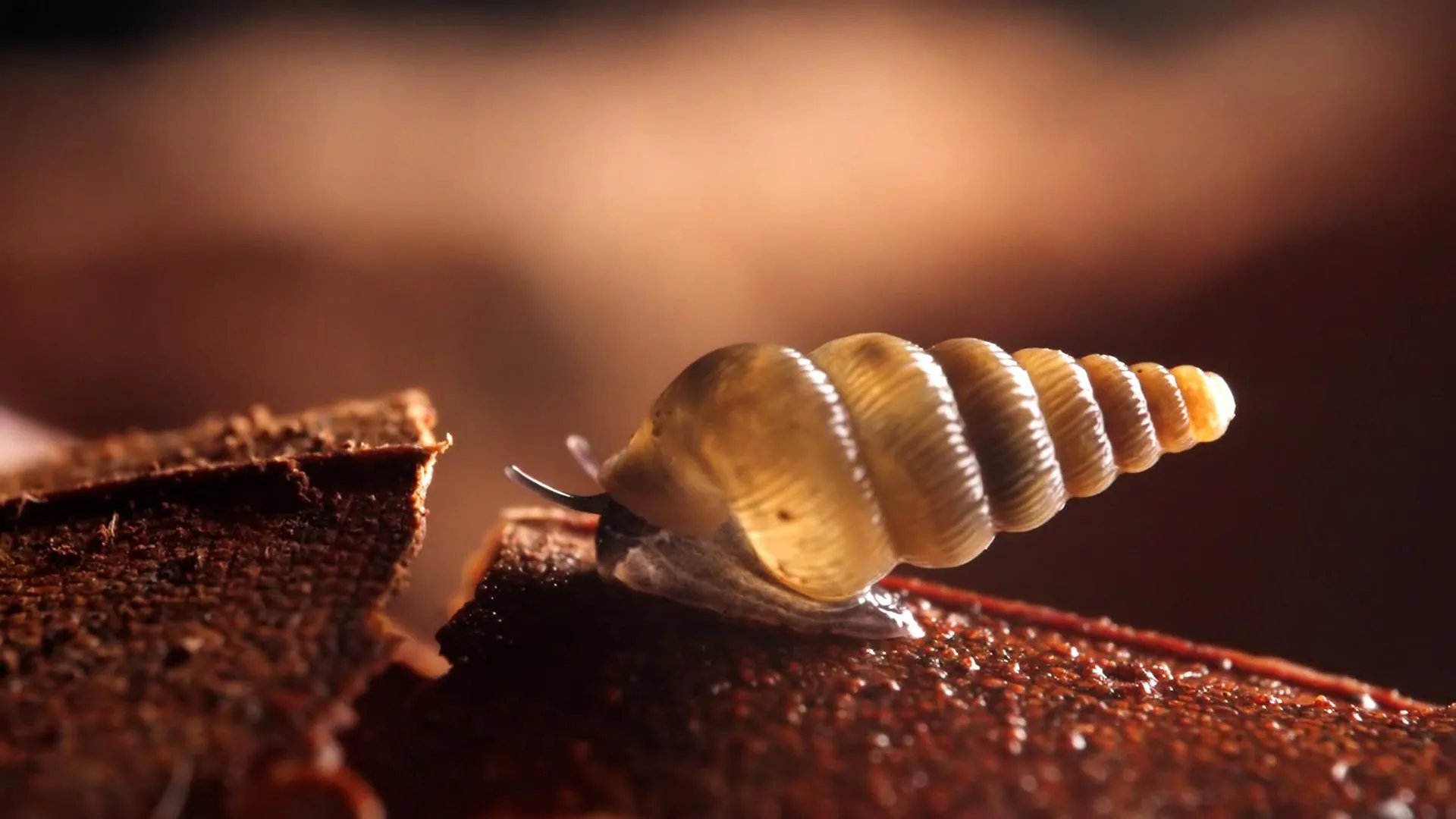
Researchers have identified two previously unknown snail species during expeditions in Montenegro, expanding the documented diversity of European land snails. The species, designated Cochlostoma komarnica and Cochlostoma dobrido, were discovered through fieldwork organized by Taxon Expeditions, a program that enables public participation in scientific research activities.
Both snail species are small, measuring approximately 6 millimeters in shell length, and inhabit limestone rock formations where they consume algae and lichens. They possess several distinctive anatomical features that differentiate them from most other land snails in the region. Their eyes are located along the sides of their heads rather than at the tips of stalks, and they possess a circular disk structure attached to the tail that functions as a seal, closing the shell opening when the animal withdraws inside.
The discoveries resulted from collaborative expeditions conducted between 2018 and 2025 in Montenegro’s Durmitor National Park and Komarnica Canyon. The research involved international scientists, citizen scientists, local students, and conservation specialists working together to document biodiversity in the region’s mountainous terrain. The animals were initially collected during fieldwork, but their status as undescribed species only became apparent following dissection and genetic analysis performed in field laboratories.
The expedition team selected scientific names for the species based on their discovery locations. Cochlostoma dobrido was named for the Dobri Do Plateau in Durmitor National Park, while Cochlostoma komarnica derives its designation from Komarnica Canyon to the south. According to researchers involved in the work, the broader region contains extensive biodiversity that remains inadequately studied, suggesting additional species may await scientific documentation.
The discoveries have taken on added significance amid conservation concerns. Komarnica Canyon faces potential flooding from a proposed hydropower dam project, which researchers warn would destroy the canyon ecosystem and eliminate species still unknown to science. Conservation organizations are calling for the canyon’s designation as part of a UNESCO World Heritage site and advocating for abandonment of the hydropower development.
Article Attribution | Read More at Article Source
Article summary produced by Claude AI