

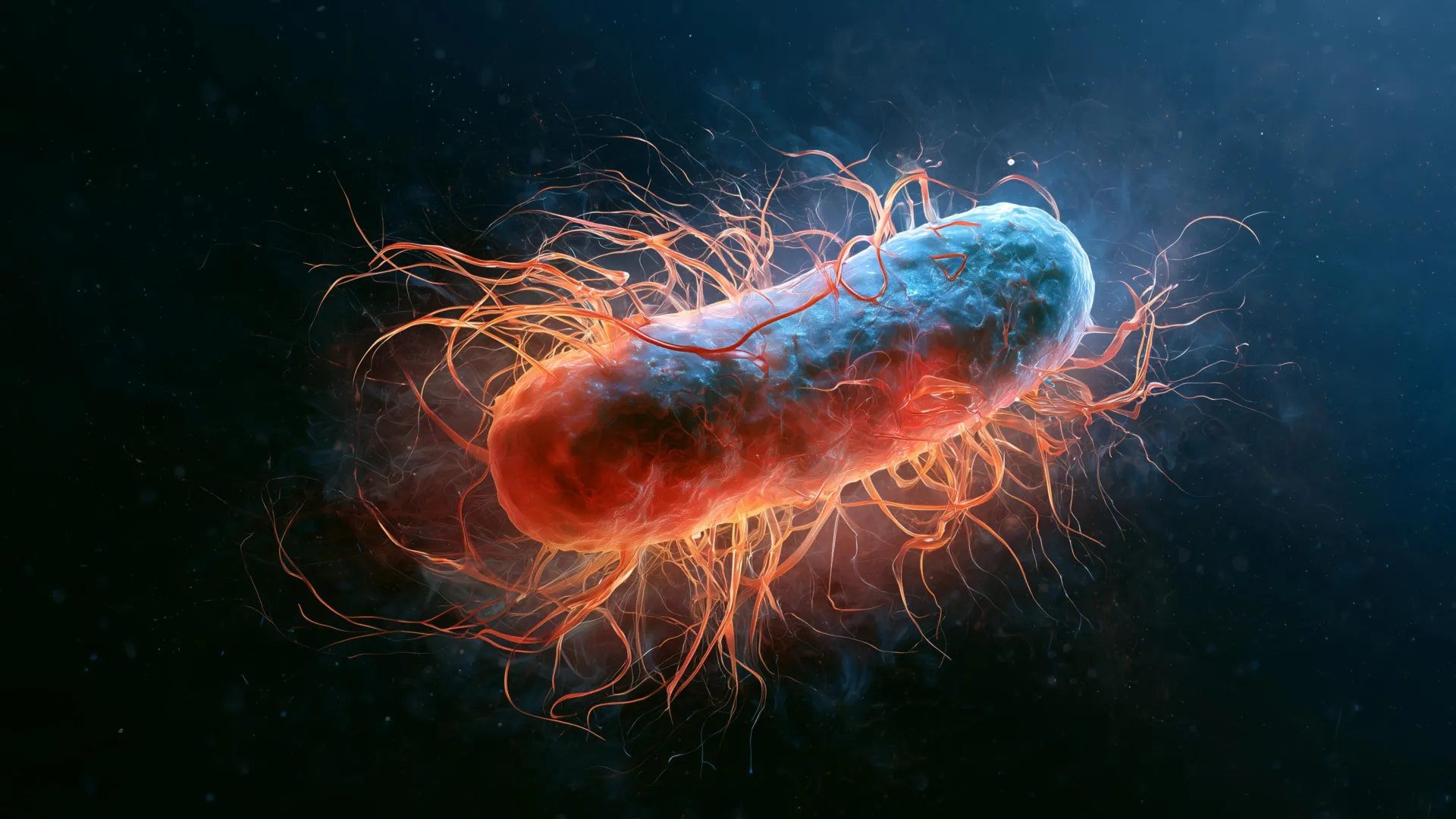
Scientists at the Hefei Institutes of Physical Science of the Chinese Academy of Sciences conducted research on magnetotactic bacteria and their potential anti-aging properties. The study, led by Prof. An Xu, examined a bacterium strain called Magnetospirillum magneticum AMB-1 and its effects on aging in the model organism Caenorhabditis elegans. The findings were published in Free Radical Biology and Medicine.
The research team exposed worms to the bacterial strain and observed significant results. Treated organisms experienced an average lifespan increase of 43.39% compared to control groups. Beyond extended longevity, the bacteria also helped preserve neurological function and intestinal integrity in aging worms. The researchers determined that the ability to produce magnetosomes—specialized magnetic structures within these bacteria—played a critical role in generating the longevity effect, as non-magnetotactic variants of the bacteria did not produce the same benefits.
The mechanism behind the lifespan extension involved the suppression of ferroptosis, a form of cell death linked to iron accumulation and oxidative damage within cells. The bacterial treatment reduced iron buildup and lowered lipid peroxidation in the test organisms, thereby preventing this age-related cell death pathway. Genetic analysis identified several genes involved in this process, including ftn-1, bli-3, and ads-1, all of which participate in ferroptosis-related pathways.
Magnetotactic bacteria offer a novel approach to aging research compared to traditional pharmaceutical or genetic interventions. These microorganisms demonstrate strong biocompatibility and have already shown promise in other medical applications, such as drug delivery and cancer treatment. The researchers suggest that this study establishes a new microbial strategy for anti-aging intervention and provides evidence that could support future use of magnetotactic bacteria in geriatric medicine.
Article Attribution | Read More at Article Source
Article summary produced by Claude AI