

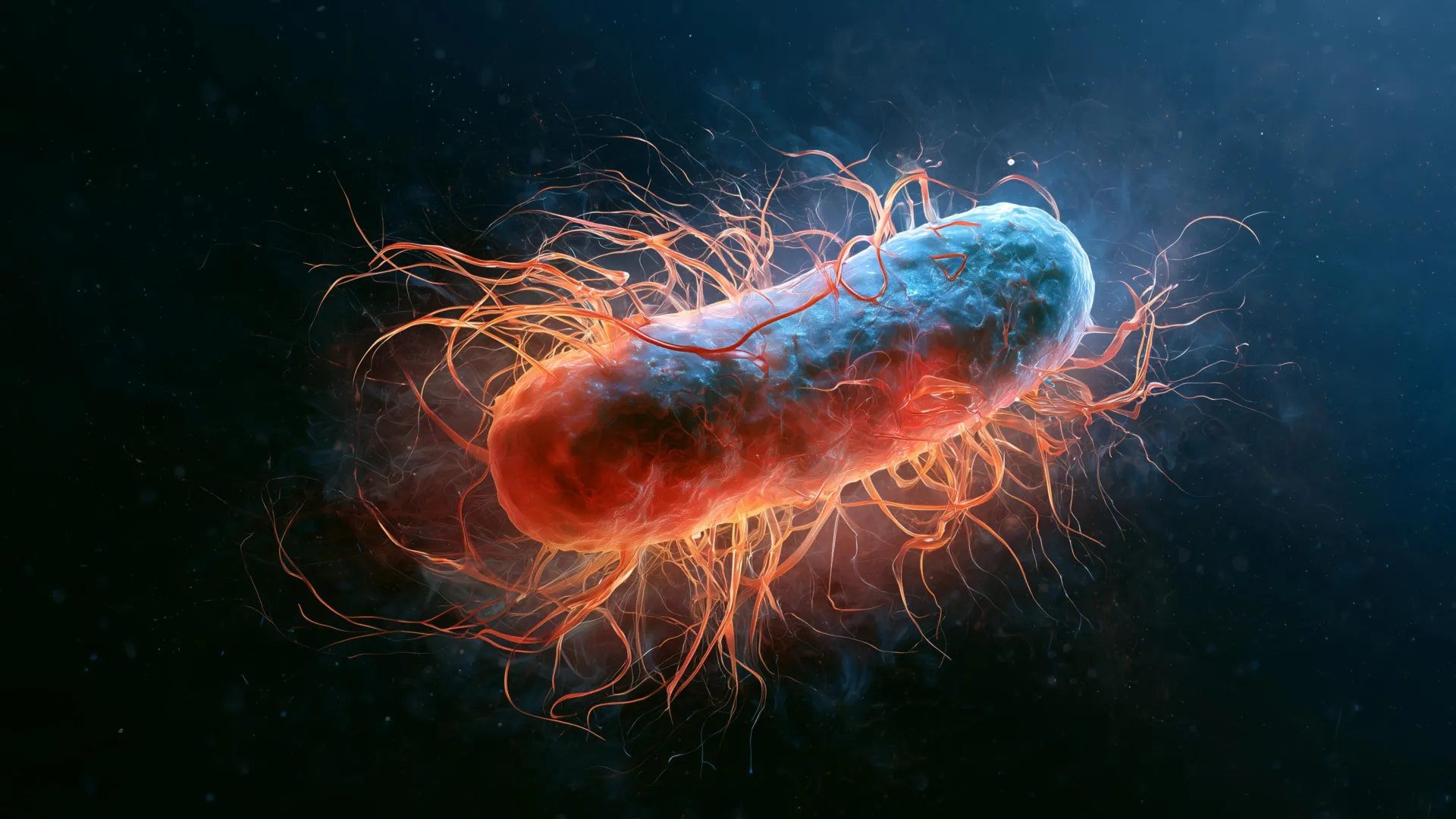
Researchers at the Hefei Institutes of Physical Science of the Chinese Academy of Sciences, led by Prof. An Xu, investigated the effects of magnetotactic bacteria on aging using the model organism Caenorhabditis elegans. The study focused on a specific bacterial strain called Magnetospirillum magneticum AMB-1, which contains specialized structures known as magnetosomes. The results were published in Free Radical Biology and Medicine.
Worms treated with the AMB-1 bacterial strain demonstrated a significant increase in lifespan, with an average extension of 43.39%. Beyond longevity gains, the treatment also helped preserve neurological function and intestinal integrity in aging worms. The researchers determined that the ability of the bacteria to produce magnetosomes was critical to achieving these longevity effects. When comparing different bacterial variants, wild-type AMB-1 produced stronger lifespan extension than reversibly non-magnetotactic variants, while non-magnetotactic versions did not extend lifespan at all.
The research team identified the underlying mechanism driving these benefits. The bacteria reduced iron accumulation and lowered lipid peroxidation in the worms, which in turn suppressed ferroptosis—a form of programmed cell death linked to iron buildup and oxidative damage to cellular fats. Genetic analysis revealed that multiple ferroptosis-related pathways were involved in the bacterial effects on lifespan regulation, including the genes ftn-1, bli-3, and ads-1.
According to the researchers, these findings represent a novel microbial strategy for anti-aging intervention. The work provides a foundation for potential broader applications of magnetotactic bacteria in geriatric medicine, offering an alternative approach to traditional pharmaceutical and genetic anti-aging strategies.
Article Attribution | Read More at Article Source
Article summary produced by Claude AI