

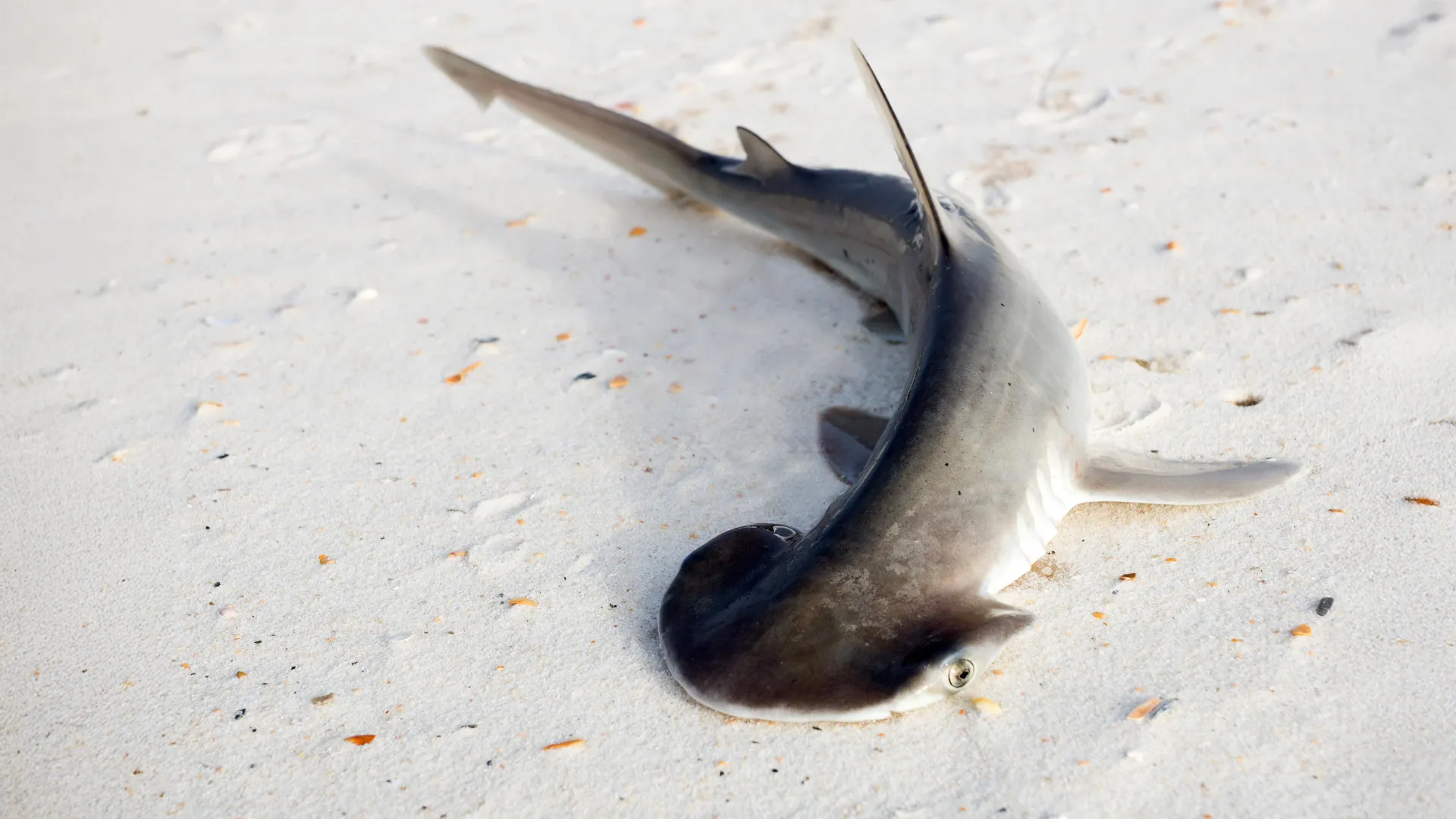
Researchers from the University of Miami Rosenstiel School and collaborating institutions have completed a comprehensive study examining head shape development in bonnethead sharks captured from two Florida locations. The investigation involved sampling 105 sharks from Biscayne Bay and 39 from Tampa Bay between May 2022 and May 2023, with detailed measurements and photographic analysis conducted on each animal.
The findings contradict an earlier hypothesis suggesting that male bonnetheads develop their characteristically pointed snouts upon reaching sexual maturity. Instead, the research indicates that both young males and females possess pointed head shapes, with heads becoming progressively rounder as the sharks mature. This transformation is particularly pronounced in females. Bonnetheads represent the only shark species exhibiting clear sex-based differences in head morphology, a phenomenon scientists refer to as sexual dimorphism.
The research team also investigated whether dietary differences between sexes could account for the distinct head shapes. Analysis of muscle tissue samples from 137 sharks revealed carbon and nitrogen isotope signatures indicating that bonnetheads from Biscayne Bay and Tampa Bay occupy different food webs. However, male and female sharks within the same bay relied on largely similar food sources. These findings provided no evidence that diet or foraging behavior drove the development of sex-specific head characteristics.
The precise cause of the head shape differences remains unknown, though researchers proposed that the pointed configuration may offer hydrodynamic advantages to younger, smaller sharks. As females grow larger to accommodate reproduction, this potential benefit may become less significant. Future investigations into swimming performance and embryonic development are planned to test this hypothesis and determine when sexual differences in head shape first emerge.
The photographic measurement technique employed in this study could be applied to bonnethead populations in other geographic regions, potentially revealing additional variation and informing region-specific conservation strategies. The research was published in Integrative Organismal Biology.
Article Attribution | Read More at Article Source
Article summary produced by Claude AI