

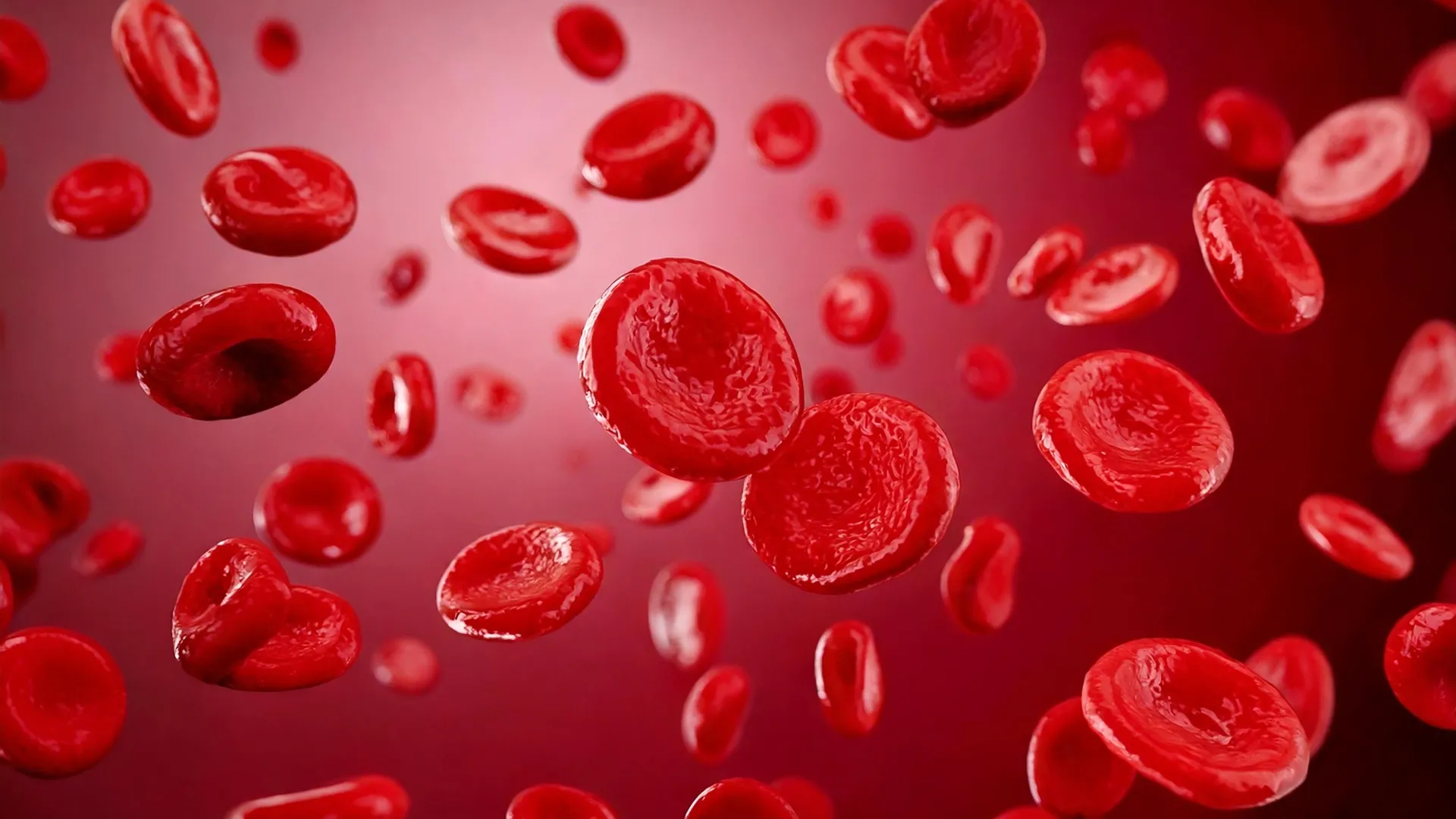
Researchers at NHS Blood and Transplant in Bristol and the University of Bristol have determined the genetic source of the AnWj antigen, a marker on human red blood cells discovered in 1972. The breakthrough identified the MAL gene as responsible for producing the Mal protein that carries the antigen on cell surfaces. More than 99.9% of people are AnWj positive, but those lacking the antigen face significant health risks if they develop antibodies against it and receive incompatible blood transfusions.
The investigation employed whole exome sequencing to examine DNA across thousands of genes for unusual variants shared by affected individuals. The analysis revealed that people with inherited AnWj negative blood carried homozygous deletions in the MAL gene, meaning both copies carried the relevant genetic change. Laboratory experiments confirmed that the normal MAL gene was both necessary and sufficient for AnWj antigen expression, with five genetically AnWj negative individuals included in the study, alongside historical blood samples from the first person identified with the condition in the 1970s.
The findings led the International Society of Blood Transfusion to formally recognize MAL as a distinct blood group system, designated ISBT 047 and representing the 47th officially recognized blood group system. This classification required establishing a clear connection between the antigen and its genetic and molecular basis. The designation enables the development of genetic tests to identify rare individuals and donors carrying the relevant MAL variations.
The clinical significance lies in locating compatible blood for people with anti-AnWj antibodies, a task previously complicated by the antigen’s near-universal presence in the population. Blood specialists can now use direct genetic testing incorporated into existing systems to identify rare patients and donors. Recent clinical cases have demonstrated the complexity of managing patients with anti-AnWj autoantibodies, including instances where physicians weighed risks and pursued alternative treatment approaches when compatible blood proved unavailable.
Article Attribution | Read More at Article Source
Article summary produced by Claude AI