

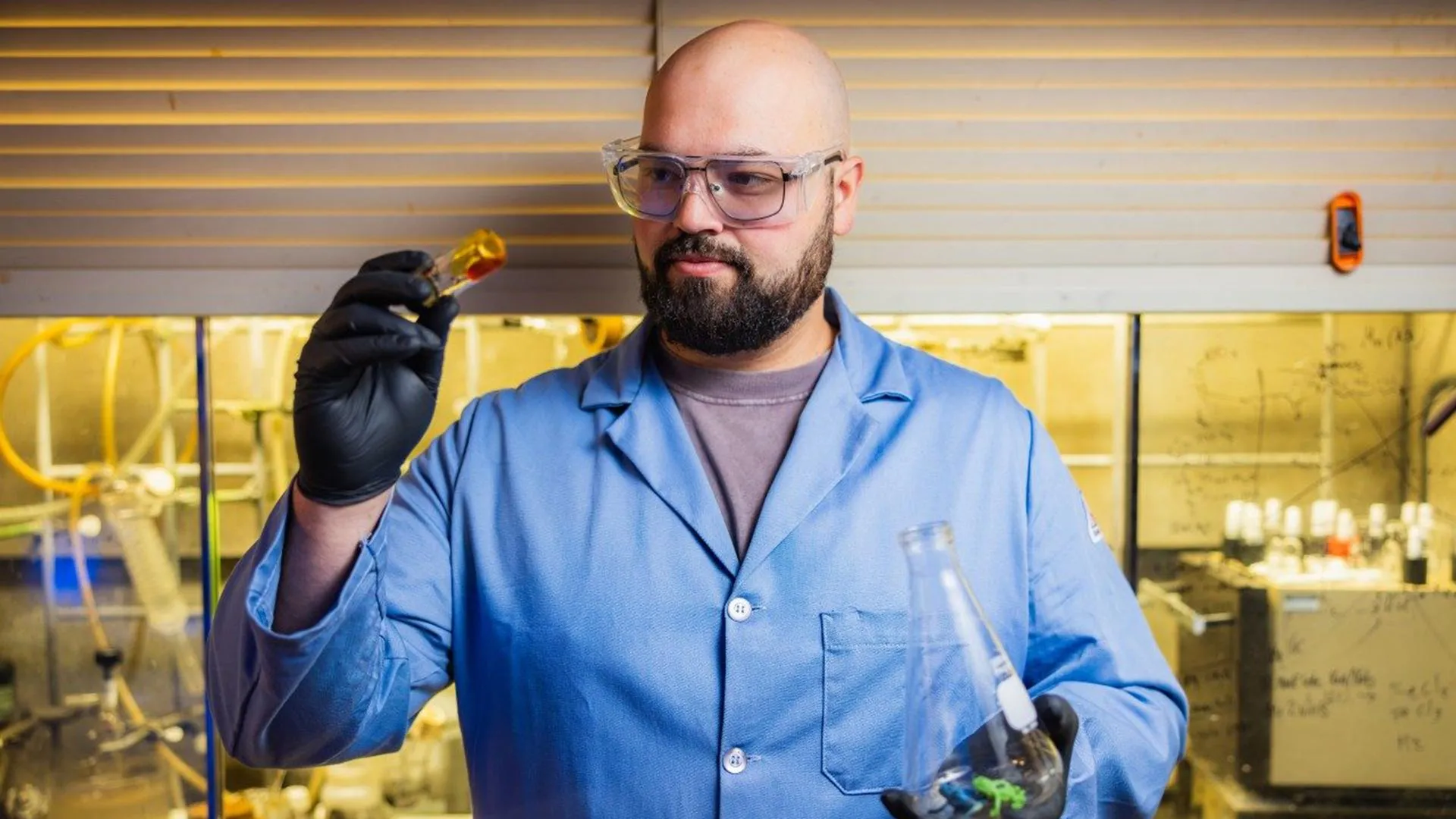
A research team led by Virginia Tech chemist Guoliang Liu has created a process for transforming polyvinyl chloride (PVC) into polyalphaolefin, a key component in engine lubricants and other industrial oils. The findings were published in Nature earlier this month and address two significant environmental challenges: the difficulty of recycling PVC plastic and the need for more sustainable production of lubricants.
PVC presents unique recycling obstacles due to its chlorine content and the varied additives incorporated during manufacturing, causing substantial quantities to end up in landfills annually. Concurrently, the demand for lubricants such as engine oil continues to rise, with production carrying considerable environmental costs. The conversion of discarded PVC into useful lubricant components could simultaneously reduce plastic waste and provide a valuable industrial product.
The experimental process begins with PVC sourced from common applications including plumbing, window frames, and credit cards. Researchers dissolve the plastic in a solvent and introduce aluminum trichloride and alpha olefins, then heat the mixture to approximately 158 degrees Fahrenheit for three hours. This procedure yields a relatively viscous oil suitable for use as a lubricant. Liu emphasized that the approach demonstrates both the feasibility of producing high-performance lubricants from plastic waste and the potential for creating environmentally sustainable products that address market demands.
The project built upon earlier successes by Liu’s laboratory in converting plastic waste into other products. Previous research, published in Science and Nature Sustainability, showed that other plastic types could be transformed into surfactants for soaps and detergents. The current work involved a team of graduate researchers, including doctoral candidate Eric Munyaneza Nuwayo, graduate student Connor Thompson, and first-year graduate student Abby Civiello.
Development of the process involved a critical pivot in approach. Initial attempts to transform PVC by replacing chlorine atoms with other chemical groups produced soft, gooey materials that did not meet performance requirements. Liu’s decision to focus instead on breaking down polymer chains into smaller segments proved instrumental in creating the final product. Testing conducted with collaborators at Texas A&M University and Caltech confirmed the material’s properties. The research team now aims to scale production and make the lubricant more widely available globally.
Article Attribution | Read More at Article Source
Article summary produced by Claude AI