

Billions of people worldwide lack access to safe drinking water, with many regions turning to desalination plants to convert seawater into potable supplies. Traditional desalination methods such as reverse osmosis and thermal distillation present several challenges, including high energy consumption, the need for water pre- and post-treatment, and the creation of concentrated brine waste. When this brine is returned to the ocean, it can harm marine ecosystems by altering salinity levels and reducing oxygen availability.
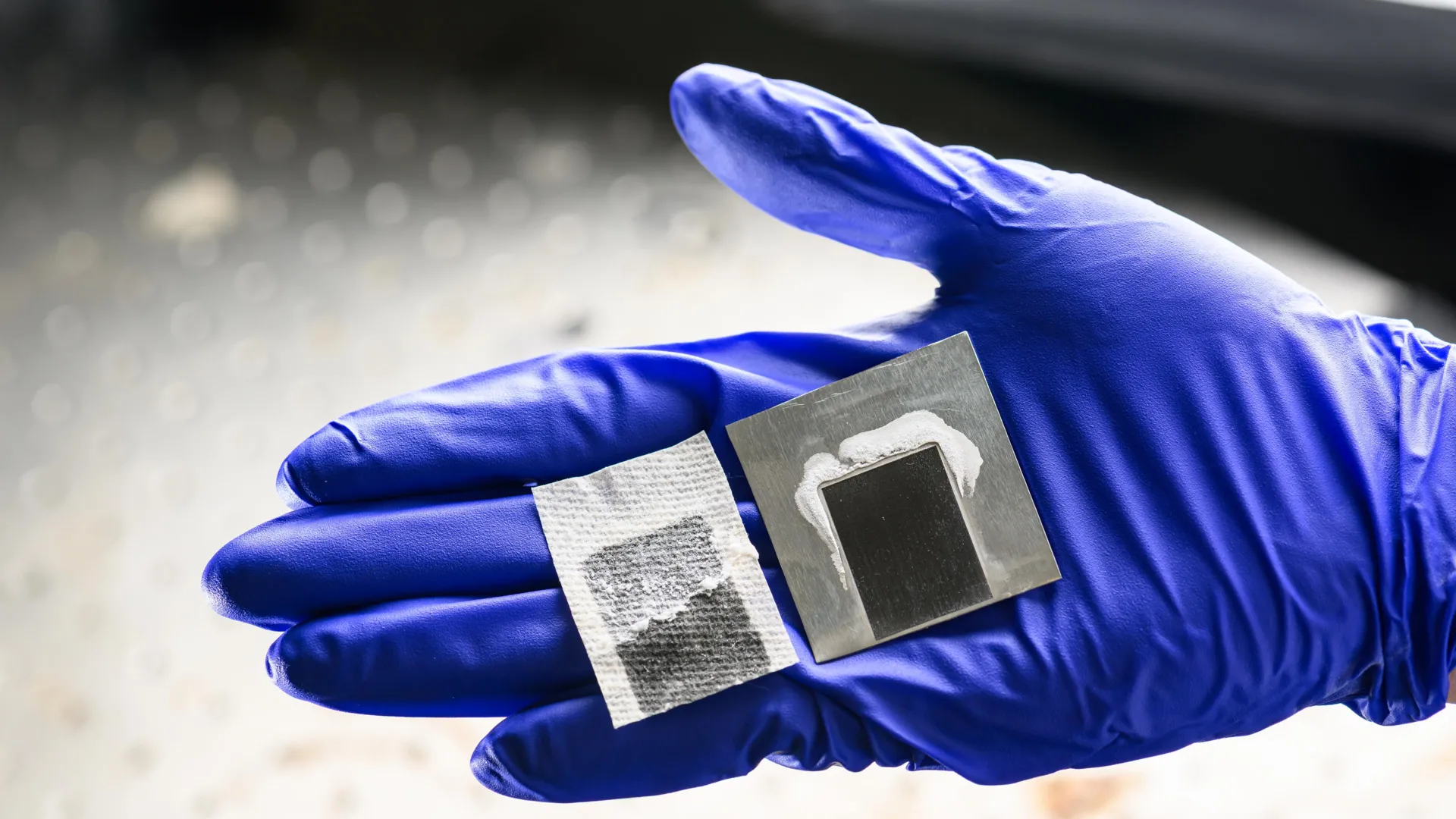
Scientists at the University of Rochester’s Institute of Optics have created an alternative approach to address these limitations. The solar thermal desalination system uses specially treated black metal panels, processed with ultrafast lasers called femtosecond lasers, to efficiently produce fresh water without generating liquid brine or requiring chemical additives. The laser treatment creates microscopic surface structures that enable the metal to absorb nearly all incoming sunlight while allowing water to spread rapidly across the surface.
The technology leverages a two-region design where seawater evaporates on an active region of the panel. Salts and minerals are deliberately directed toward untreated passive regions along the panel’s edges rather than accumulating on the active surface. This movement prevents salt buildup, a major obstacle for solar desalination systems. The researchers incorporated microscopic grooves and applied principles of the coffee ring effect to guide mineral deposits away from productive areas.
Testing with actual seawater from the Pacific, Atlantic, and Indian Oceans demonstrated that the surface effectively cleaned itself while maintaining efficiency. The system extracts nearly complete salt recovery in solid rather than liquid form, transforming the traditional waste product into a potential resource. Related research showed that modified panels can selectively separate lithium from salt mixtures, offering opportunities to recover valuable battery materials while reducing the environmental impact of terrestrial lithium mining.
Article Attribution | Read More at Article Source
Article summary produced by Claude AI