

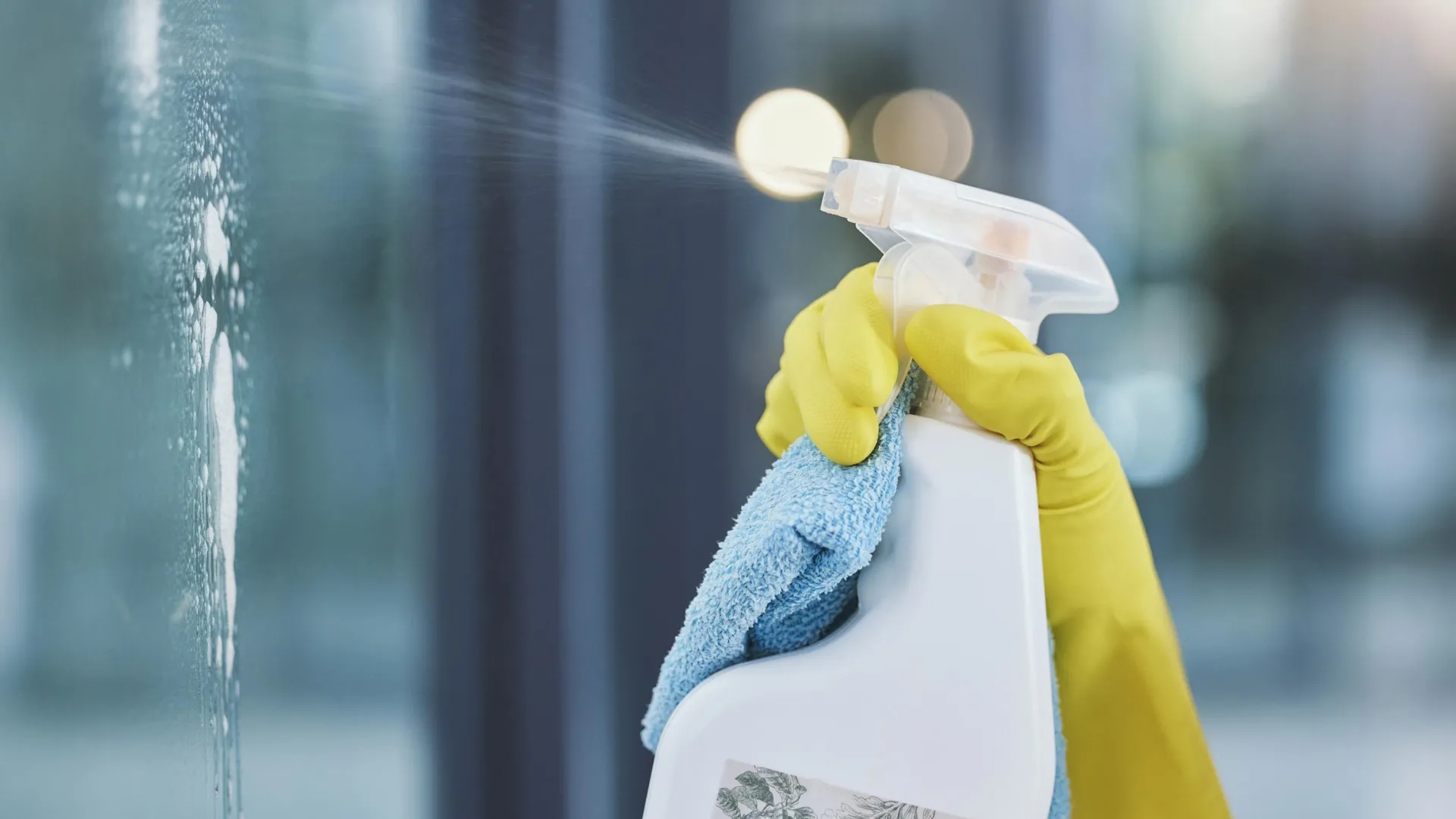
Scientists at Purdue University have identified a previously underrecognized consequence of household cleaning: the generation of nanoparticles through chemical reactions between fragrance compounds and indoor air constituents. Led by Assistant Professor Brandon Boor, the research team discovered that both conventional cleaners and botanical essential oil-based products release fragrance compounds that can react indoors to create billions or trillions of ultrafine particles measuring 1-30 nanometers across.
The investigation began during the COVID-19 pandemic when researchers noticed that many cleaning and disinfectant products contained strong fragrances. The team built a model home on campus featuring a functional kitchen, wood flooring, and bathroom to recreate typical household cleaning activities. Testing with scented products showed that the chemical reactions responsible for nanoparticle formation occur much more rapidly indoors than similar processes in outdoor environments, with concentrations potentially reaching tens or hundreds of times higher than those found in forests.
A significant finding was the speed of particle formation, with substantial nanoparticle production occurring within minutes of cleaning. The particles were small enough to often fall outside the detection range of residential air quality monitors, meaning occupants may be unaware of exposure. Because of their tiny size, these ultrafine particles can penetrate deep into the lungs and potentially cause respiratory irritation and inflammation, with some possibly entering the bloodstream.
The research also examined scenarios where scented cleaners were used simultaneously with germicidal UV-C lamps designed to disinfect air. These lamps generate ozone, which intensified nanoparticle formation when combined with high terpene concentrations from cleaning products. Boor emphasized that the goal is not to discourage cleaning but to inform consumer choices. The team recommends using unscented products, improving ventilation through exhaust fans or open windows, and avoiding ozone-generating devices while using scented cleaners.
Article Attribution | Read More at Article Source
Article summary produced by Claude AI