

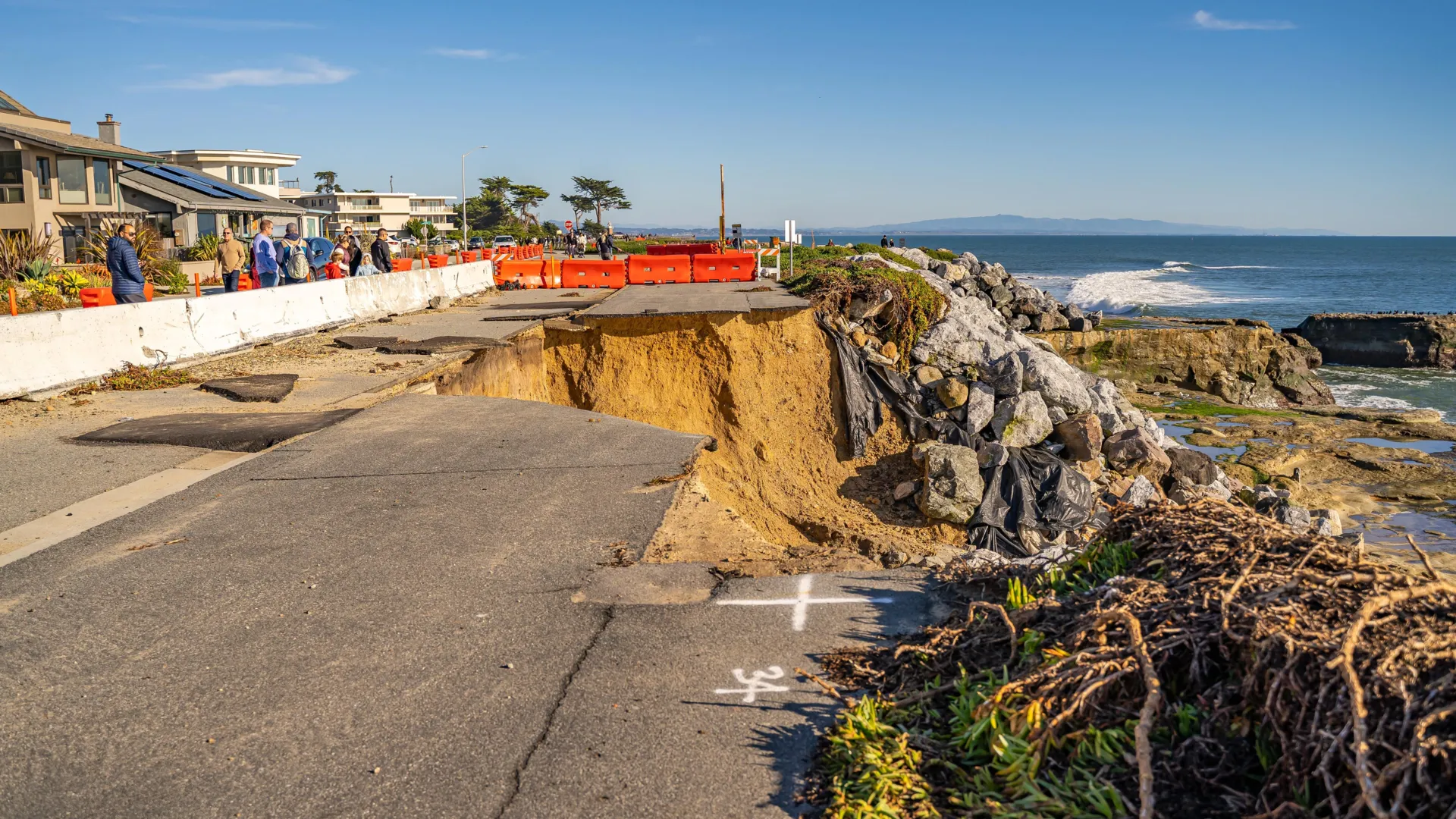
A study led by marine geologist Chris Goldfinger at Oregon State University indicates that two major fault systems on the West Coast—the Cascadia subduction zone and the San Andreas fault—may be more interconnected than previously understood. The research suggests that a significant earthquake on one fault could potentially trigger seismic activity on the other in a closely timed sequence.
The investigation relied on analysis of deep-sea sediment cores spanning approximately 3,100 years of geologic history. Researchers examined turbidites, sediment deposits that form when underwater earthquakes trigger landslides. By comparing turbidite layers associated with both fault systems, scientists identified patterns suggesting major earthquakes on the two faults have occasionally occurred unusually close together. According to Goldfinger, the team identified three events during the past 1,500 years when Cascadia and the northern San Andreas appear to have ruptured within minutes to hours of each other, with the most recent occurring around 1700.
The research began with an unexpected discovery during a 1999 ocean expedition. When a navigational error placed researchers’ vessel in the San Andreas fault region near Cape Mendocino, California, they collected a sediment core that revealed unusual layering patterns. Rather than showing the expected gradual settling of sediment from coarse to fine materials, the core displayed the reverse sequence. Analysis suggested this distinctive “doublet” pattern resulted from two rapid successive earthquakes on separate fault systems.
If both fault systems can rupture within a compressed timeframe, the implications for disaster response could be substantial. A single major earthquake on either fault would already strain national emergency resources, but simultaneous ruptures could leave multiple major metropolitan areas—including San Francisco, Portland, Seattle, and Vancouver—managing severe damage concurrently. The findings suggest that earthquake preparedness and risk assessment along the West Coast may need to account for scenarios involving multiple fault systems rupturing in close succession, though the research does not indicate that every large earthquake on one fault will necessarily trigger the other.
Article Attribution | Read More at Article Source
Article summary produced by Claude AI