

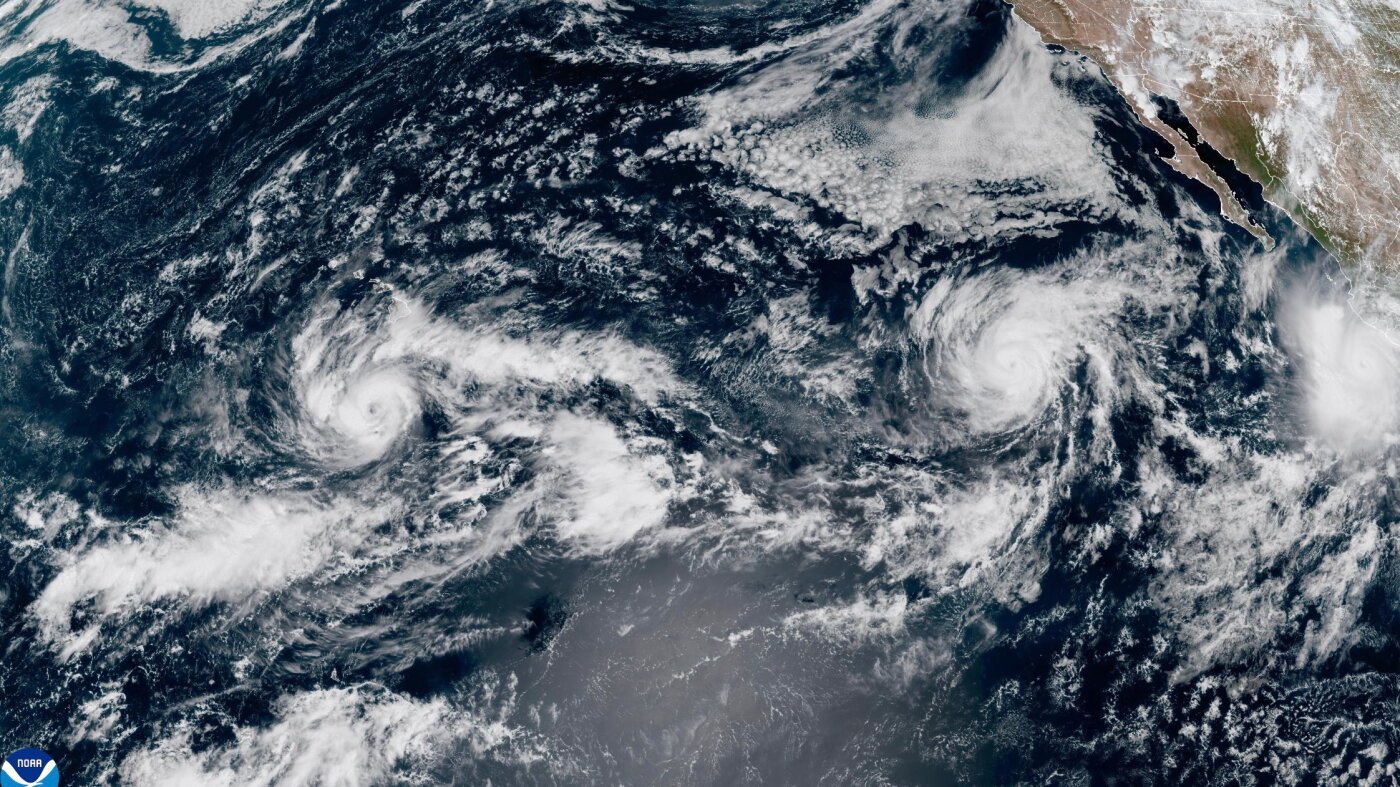
The 2026 hurricane season has displayed starkly different conditions across ocean basins, with the Pacific experiencing exceptional storm activity while the Atlantic remains historically quiet. Through September 25, the Pacific has generated 18 hurricanes and 41 named storms overall, well above typical levels for this period. The Atlantic basin, by contrast, has produced only seven named storms, all of which remained at tropical storm intensity or below. This represents the first time in over 100 years that no hurricanes have formed in the Atlantic by this date.
Scientists have identified a record-intensity El Niño climate pattern as the primary driver of these opposing conditions. The natural phenomenon, which occurs periodically, creates divergent effects across ocean basins. El Niño warms equatorial Pacific waters, providing enhanced fuel for storm development and intensification. Simultaneously, it increases wind shear in the North Atlantic, which disrupts hurricane formation by tearing developing storms apart. Current Pacific water temperatures are already reaching record highs, even though the El Niño pattern is expected to intensify further before reaching its peak later this year.
The effects of this pattern are evident in recent storm behavior. Hurricane Polo, located off Mexico’s Pacific coast, intensified from tropical storm status to a Category 5 hurricane in less than 24 hours on Tuesday—a transformation researchers describe as extraordinary. Such rapid intensification limits preparation time for affected populations. Hawaii has emerged as particularly vulnerable, with Hurricane Nolo expected to bring heavy rainfall and potential flooding this weekend. This marks the third hurricane to threaten the islands this year, following Hurricane Lala in August and Hurricane Lowell in early September.
Scientists remain engaged in understanding the mechanisms driving exceptional El Niño events. Some recent research suggests human-caused climate change may be amplifying these patterns. Regardless of the underlying causes, the global impacts of El Niño are well-documented, including temperature increases worldwide and shifts in precipitation patterns across multiple regions. Beyond immediate hurricane implications, the pattern could bring increased precipitation to drought-affected areas of the Southwestern U.S. but simultaneously raises flood risks. Atmospheric scientists are monitoring potential secondary effects including drought and wildfire conditions in Central America. These El Niño-driven changes are compounding baseline warming trends from human-caused climate change, which independently increases the likelihood of extreme weather events.
Article Attribution | Read More at Article Source
Article summary produced by Claude AI