

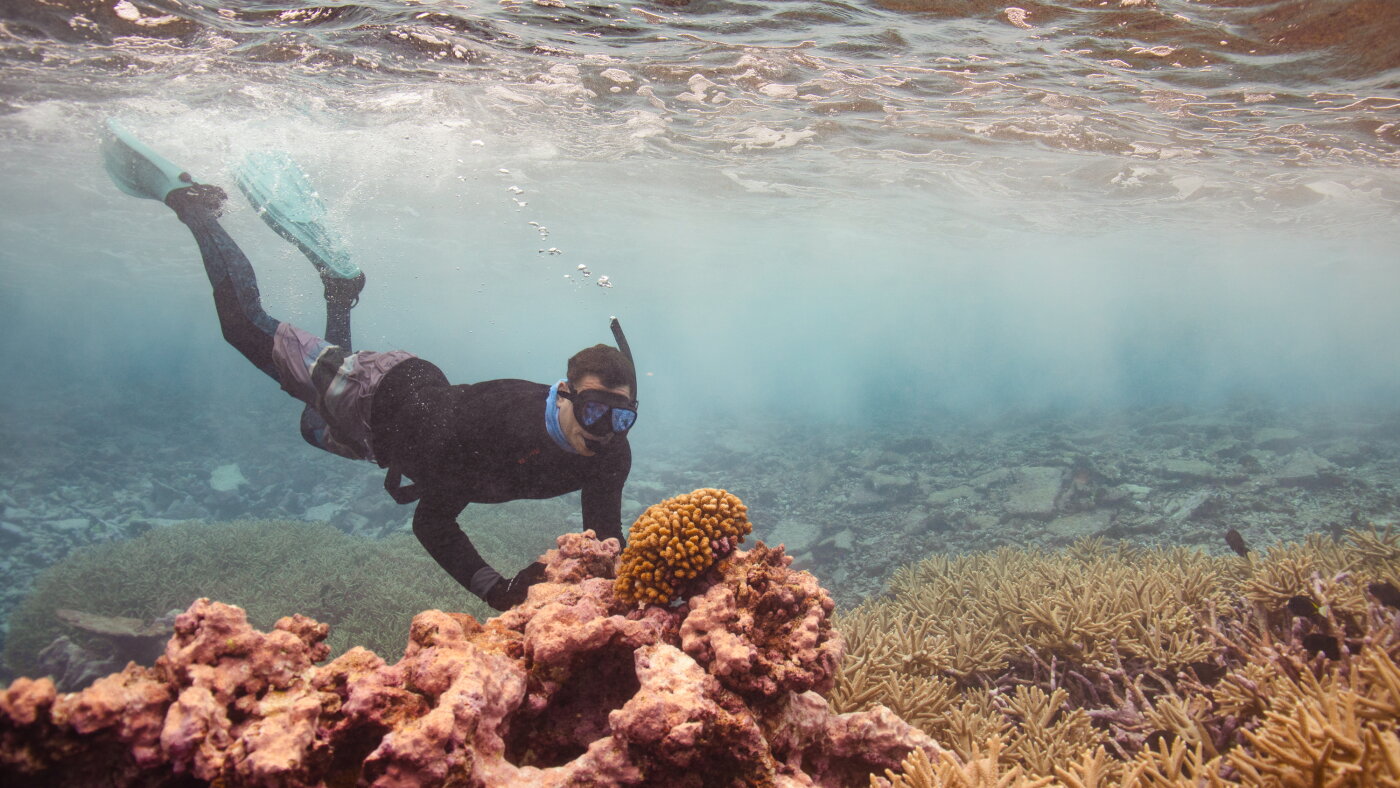
Palmyra Atoll, located approximately 1,000 miles south of Hawaii in the central Pacific Ocean, hosts one of the world’s healthiest coral reef ecosystems. The atoll, part of a U.S. national wildlife refuge with no permanent residents, has remained largely insulated from human disturbance and pollution. Its remote location and protected status have allowed the marine ecosystem to develop with exceptional biodiversity, featuring schools of colorful fish, thriving shark populations, and massive coral formations covering nearly every available surface.
Marine scientists and conservation organizations, including The Nature Conservancy and the U.S. Fish and Wildlife Service, have established a research station at the atoll to study how coral ecosystems function in their natural state. The atoll itself consists of coral reefs surrounding an ancient volcanic island that has eroded beneath the sea. Historically, the site was used by U.S. military forces during World War II, but has been designated as a scientific research hotspot since 2000.
Palmyra Atoll’s reefs have recently faced significant challenges from climate change. Earlier this year, the corals began showing signs of heat stress due to abnormally warm ocean temperatures. A particularly severe marine heat wave three years ago caused widespread coral bleaching, turning vibrant corals white and causing visible damage to the ecosystem. However, researchers have observed remarkable recovery in many areas, with new coral growth appearing alongside corals that continue to show lasting damage.
The recovery patterns observed at Palmyra Atoll are providing valuable lessons for global coral restoration efforts. Scientists have identified key characteristics of healthy reefs that can accelerate recovery and resilience. These findings are being applied to restoration projects worldwide as communities seek to help coral ecosystems survive ongoing climate change. Despite current threats, researchers emphasize that coral reefs are not necessarily doomed and that understanding pristine ecosystems like Palmyra’s offers hope for reef survival and future restoration potential.
Article Attribution | Read More at Article Source
Article summary produced by Claude AI