

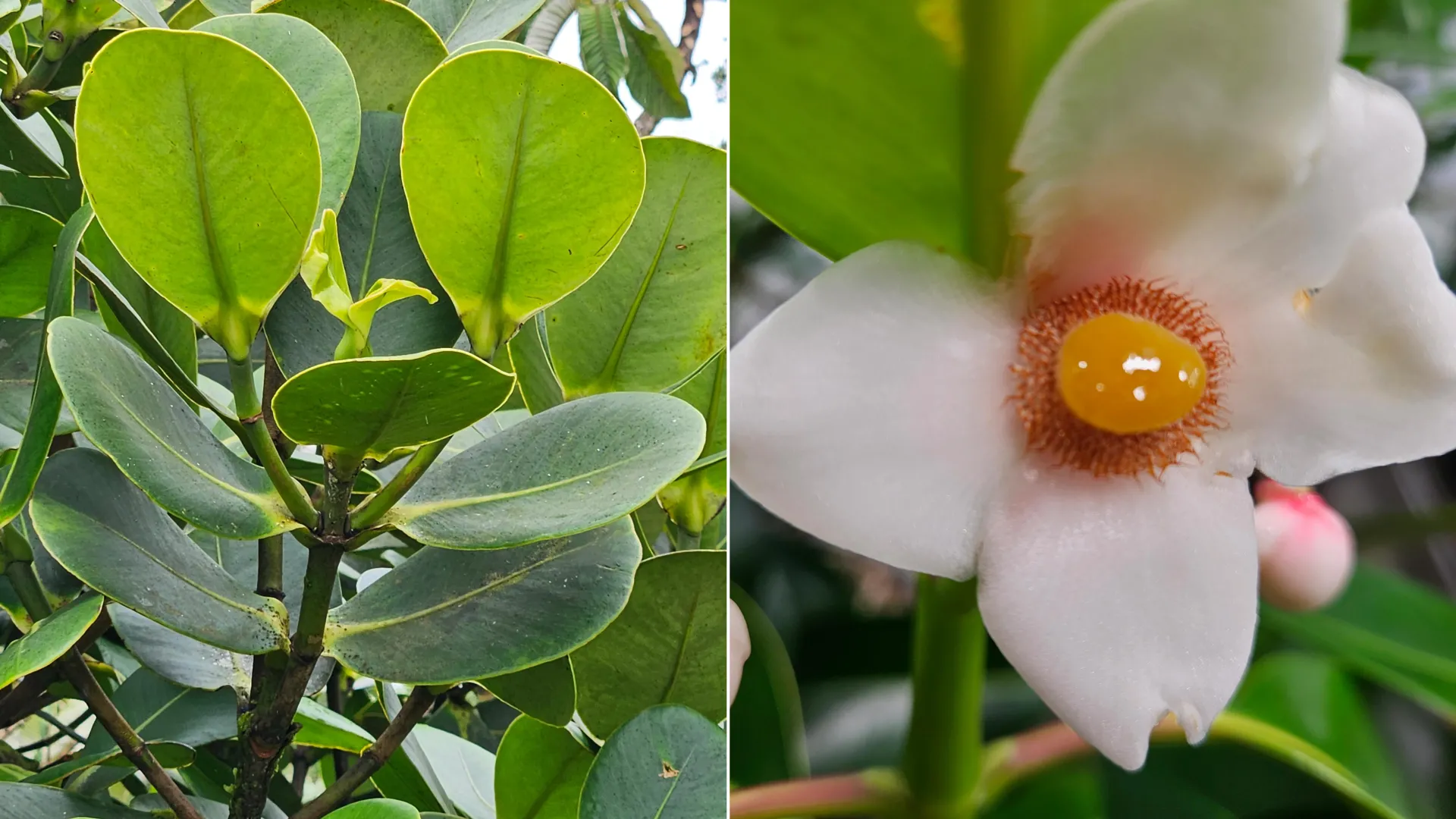
Scientists at the University of Vienna led by Wolfram Weckwerth examined how tropical trees in the genus Clusia developed an efficient form of photosynthesis suited to drought conditions. The research, published in Nature Communications, traced the evolutionary origins of CAM photosynthesis—a mechanism first documented around 1800 when Alexander von Humboldt observed that certain tropical leaves did not produce oxygen bubbles in sunlight despite being submerged in water.
CAM photosynthesis operates on an inverted daily schedule compared to conventional photosynthesis. The plants keep their stomata, which normally exchange gases with the atmosphere, closed during daylight hours to minimize water loss through evaporation. Instead, they absorb carbon dioxide at night and chemically convert it into malic acid for storage. While the mechanics of this process have been understood for some time, the specific evolutionary pathways that produced it within the Clusia genus remained unexplained.
The research team sequenced and analyzed the genomes of three Clusia species—Clusia rosea, Clusia minor, and Clusia major—each exhibiting different photosynthetic strategies. The analysis revealed that all three species descended from ancient polyploid events, in which their genomes were multiplied and then extensively reorganized over millions of years. During this process, genes were lost, deactivated, or acquired new functions, particularly those involved in nocturnal carbon dioxide storage.
The three species demonstrated notably different approaches to water-efficient photosynthesis. Clusia rosea employs robust CAM metabolism with substantial malic acid storage at night. Clusia minor primarily activates CAM under stress conditions. Clusia major uses a hybrid approach combining conventional daytime photosynthesis with CAM. Researchers monitoring the trees under controlled greenhouse conditions while varying water availability confirmed these physiological differences correlated with distinct patterns of gene activity and metabolic processes.
The findings indicate that CAM photosynthesis in Clusia evolved through multiple independent pathways rather than a single evolutionary event. This research may have practical applications for agriculture, as CAM plants require substantially less water than conventional crops. The genomic data could help identify metabolic processes underlying efficient carbon fixation and water use efficiency, potentially informing development of drought-resistant crop varieties adapted to arid environments.
Article Attribution | Read More at Article Source
Article summary produced by Claude AI