

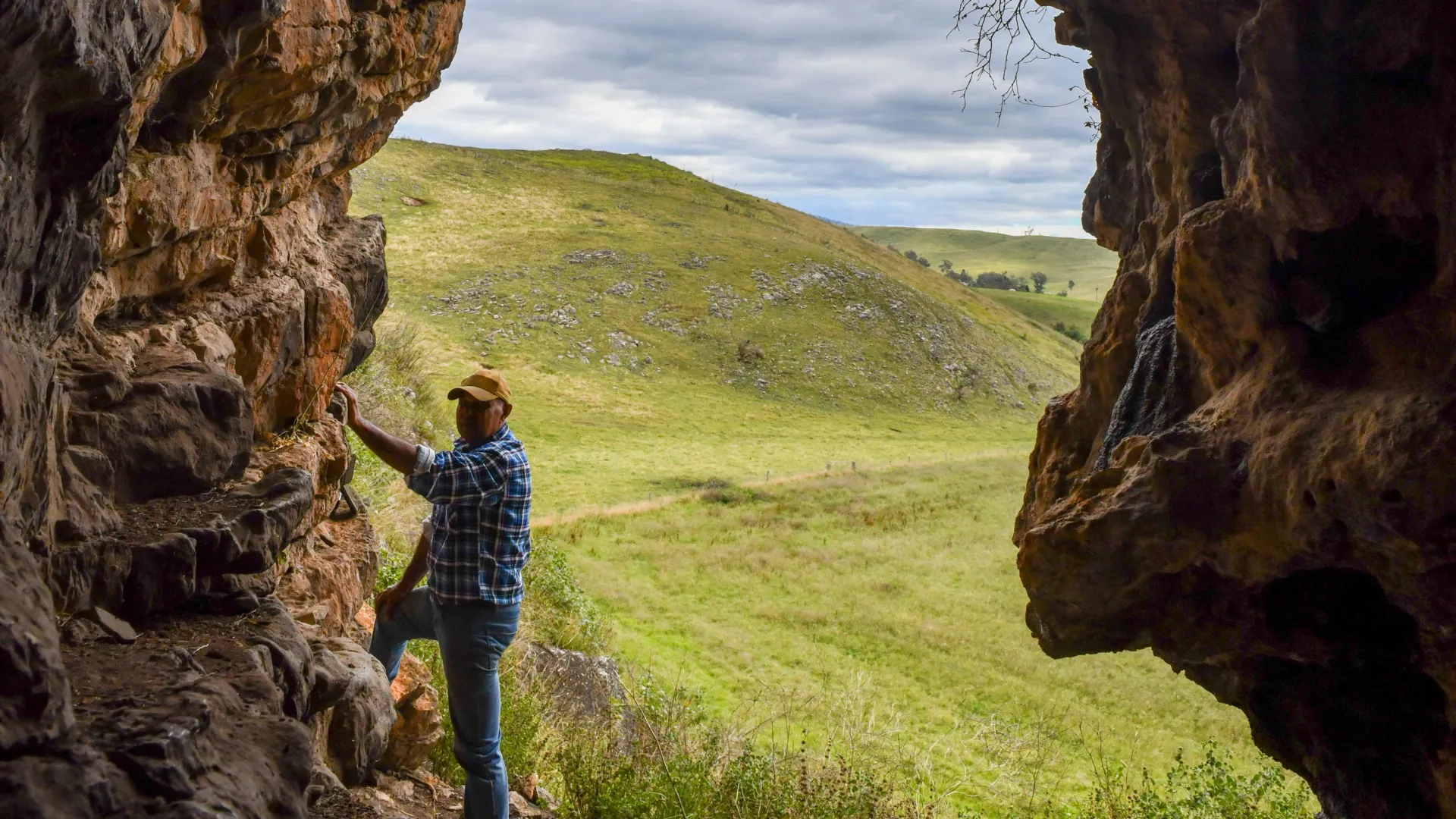
Researchers studying Cloggs Cave in Gippsland have documented an extraordinary continuity of ritual activity spanning roughly 25,000 years among the GunaiKurnai, an Australian Aboriginal nation with traditional custodianship of the region. The study, led by Dr Elle Grono at the Australian National University and published in Frontiers in Environmental Archaeology, examined microscopic plant structures called phytoliths to understand how people historically used the cave.
The research emerged from archaeological excavations conducted in 2019 and 2020, undertaken at the request of the GunaiKurnai Land and Waters Corporation. GunaiKurnai representatives collaborated throughout the project’s design, fieldwork, analysis, and interpretation phases. Phytoliths are silica structures that form within plant tissues and persist in sediments long after plants decompose, making them valuable indicators of past human activity.
Analysis of phytoliths from two excavation pits revealed 73 distinct ash layers deposited between approximately 4,400 and 1,600 years ago, created through deliberate burning of grasses carried into the cave by people. The researchers identified 29 different types of phytoliths representing grasses, herbs, and woody plants, with grass specimens comprising up to 97 percent of samples. Evidence showed that Old Ancestors did not randomly gather available vegetation but instead deliberately selected particular grass species growing near the cave entrance, bringing whole plants including inedible portions.
Among the layered deposits, researchers discovered a standing stone measuring 28 centimeters high, intentionally positioned for ritual purposes approximately 2,000 years ago. Roughly 18 percent of phytoliths displayed signs of burning or melting, distributed throughout dated deposits and indicating repeated burning events across millennia. This pattern aligns with historical accounts and oral traditions describing Cloggs Cave as a site where spiritual practitioners conducted rituals involving healing, magic, and cursing. The findings support interpretations that the cave functioned as a location of sustained ritual activity rather than ordinary habitation, consistent with documented GunaiKurnai practices employing ash for spiritual and ceremonial purposes.
Article Attribution | Read More at Article Source
Article summary produced by Claude AI