

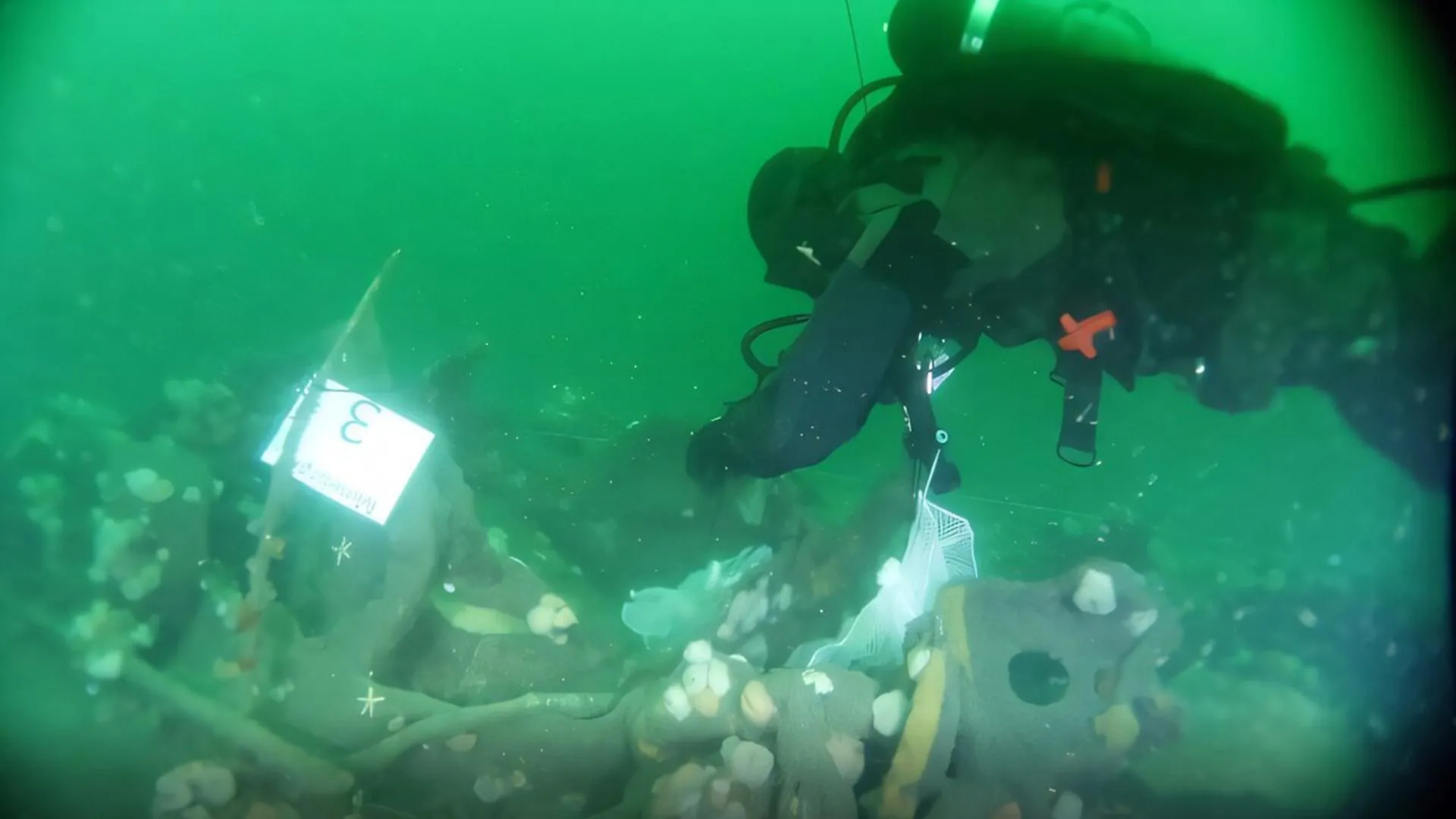
The UC-30, a German submarine carrying 18 mines and six torpedoes, struck a British mine on April 19, 1917, near Rømø and sank with all 27 crew members aboard. The wreck remained undiscovered for nearly a century until Danish diver Gert Normann Andersen located it in 2016. Subsequent research revealed that explosive material from the vessel is entering the surrounding marine environment.
Scientists from Aarhus University, led by Professor Katrine Juul Andresen, conducted a detailed investigation of the wreck as part of the NorthSeaWrecks research project. Working with navy divers, the team collected samples from water, sediment, and marine organisms around the submarine. Analysis confirmed the presence of TNT in wildlife, seabed materials, and the water column, indicating active pollution occurring in the vicinity of the wreck. Researchers noted that contamination is likely localized but expected to worsen as the vessel deteriorates and exposes additional explosive material.
The discovery of UC-30’s pollution represents a broader environmental challenge in Danish waters. A 2024 report prepared for the Danish Environmental Protection Agency identified 10,127 wrecks in Danish territorial waters, with approximately 15 percent dating from the world war eras. These vessels present significant environmental risks, though addressing them presents considerable technical and practical challenges. Removing or destroying explosives can be costly and potentially counterproductive, as underwater detonation can spread contaminants rather than eliminate them.
Researchers are exploring alternative solutions through international collaboration, including the EU-funded REMARCO project. Seafloor robots are being developed to map munition locations, monitor wreck deterioration, and potentially retrieve and neutralize hazardous materials. However, scientists emphasize that comprehensive removal from all wrecks would be neither feasible nor necessary, as some vessels are naturally protected by sediment burial that reduces their pollutant release capabilities.
Article Attribution | Read More at Article Source
Article summary produced by Claude AI