

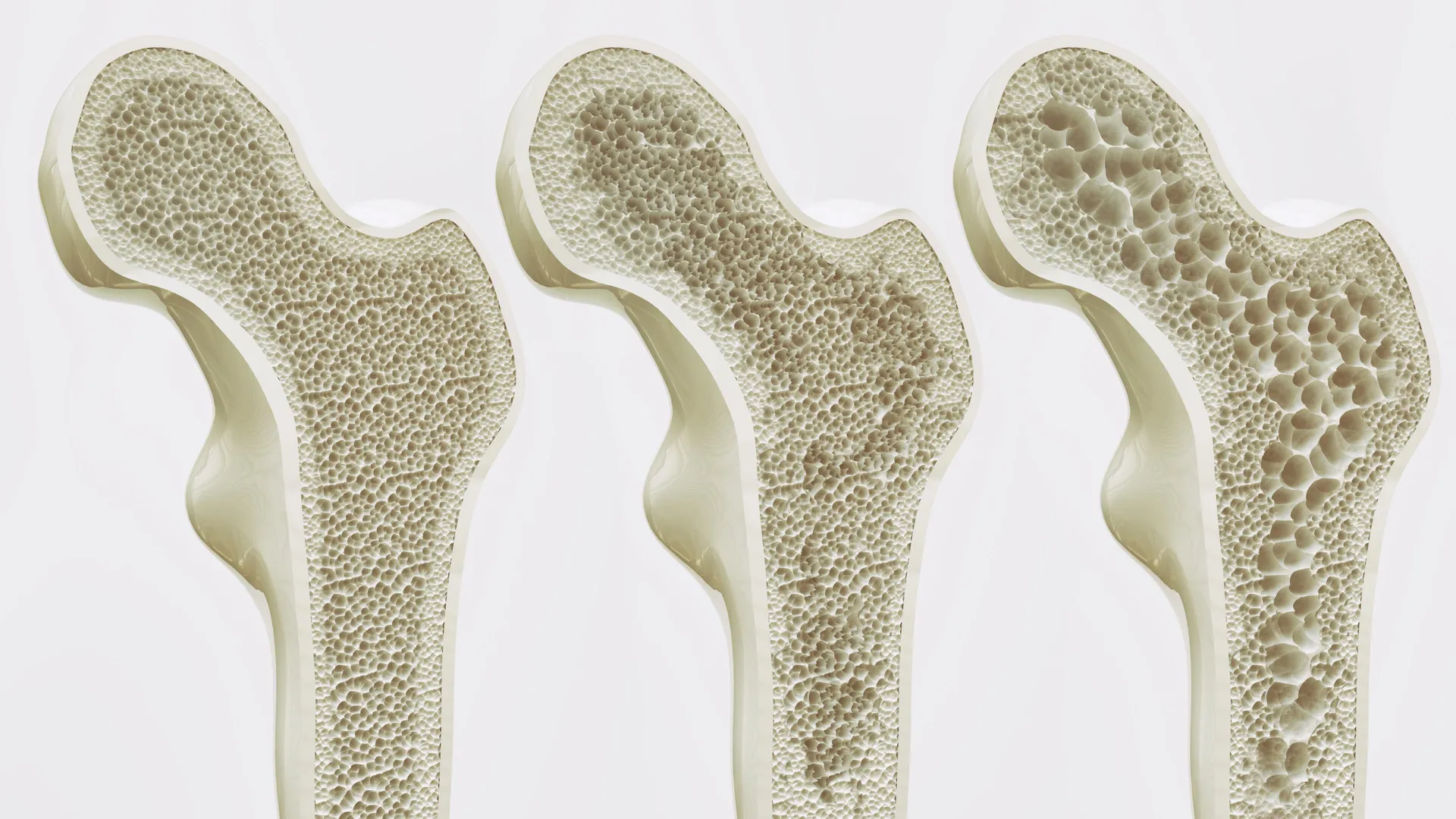
Researchers at Flinders University have published findings on the relationship between hot beverage consumption and bone health in aging women. The study, which appeared in the journal Nutrients, followed approximately 10,000 women aged 65 and older over a decade-long period, examining associations between regular coffee and tea intake and changes in bone mineral density.
Bone health represents a significant public health concern globally, with osteoporosis affecting approximately one in three women over age 50 and contributing to millions of fractures annually. Given the widespread consumption of coffee and tea among billions of people worldwide, even modest effects on bone density could carry substantial population-level implications. The researchers drew on data from the Study of Osteoporotic Fractures and employed advanced imaging techniques to measure bone density at the hip and femoral neck—regions with direct links to fracture risk.
The analysis revealed distinct patterns for each beverage type. Women who consumed tea demonstrated slightly elevated total hip bone mineral density compared to non-tea drinkers, though researchers characterized the difference as small yet statistically significant. Tea contains compounds known as catechins that may facilitate bone formation and inhibit bone breakdown. In contrast, coffee consumption showed a more nuanced relationship with bone health. Moderate intake of approximately two to three cups daily showed no negative association with bone density, but women consuming more than five cups per day exhibited lower bone mineral density levels. The researchers noted that caffeine can interfere with calcium absorption and bone metabolism, though these effects remain modest and may be partially offset by milk consumption.
Additional patterns emerged when researchers examined interactions with other lifestyle factors. Women with elevated lifetime alcohol consumption experienced more pronounced negative effects linked to higher coffee intake, whereas the apparent protective effects of tea appeared more substantial among women with obesity. Researchers emphasized that the observed differences remained modest and insufficient to warrant significant changes to individual consumption habits. The findings suggest that moderate daily tea consumption may offer a simple approach to supporting bone health in older women, while very high coffee intake may warrant reconsideration, particularly among women who also consume alcohol regularly.
Article Attribution | Read More at Article Source
Article summary produced by Claude AI