

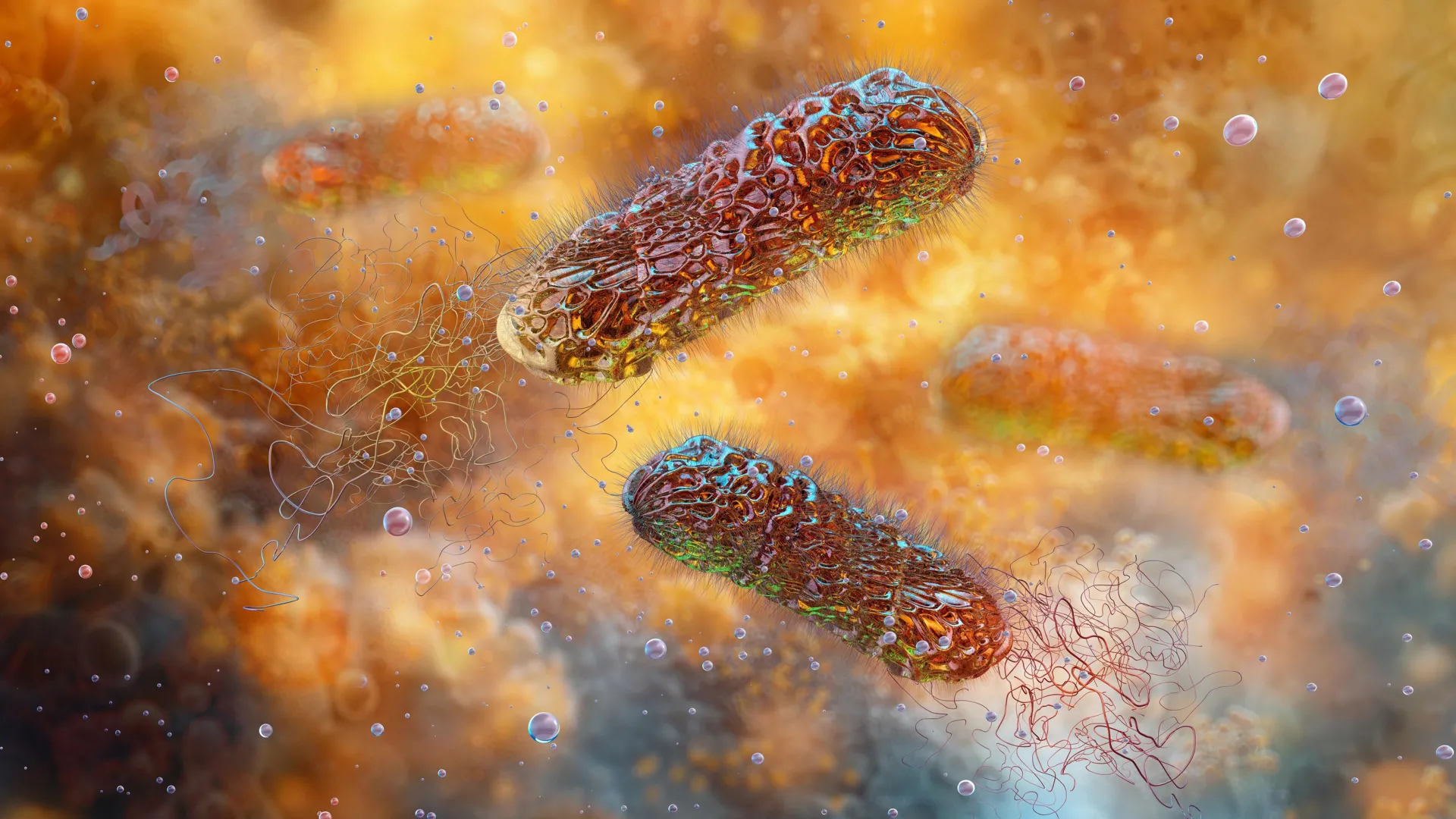
Biologists at the University of Oregon have successfully reconstructed ancient antimicrobial peptides derived from proteins dating back approximately 160 million years to the earliest placental mammals. The research, published in PLOS Biology on Aug. 25, demonstrates that these resurrected biological molecules naturally attack microbes and could offer new therapeutic approaches for treating antibiotic-resistant infections, a growing global health concern.
The study focused on lactoferrin, an immune protein that emerged around the time of the common ancestor of all placental mammals. This protein serves dual antimicrobial functions: it binds tightly to iron, preventing bacteria from accessing this essential nutrient, and it contains peptides capable of damaging bacterial cell membranes. Researchers traced the evolutionary history of these antimicrobial peptides across millions of years by comparing genetic sequences from living species including humans and cattle, then used statistical methods to infer the sequences of extinct ancestors.
Using ancestral sequence reconstruction techniques, the team synthesized genes corresponding to ancient versions of the peptides and tested them against several disease-causing bacteria. Results showed that peptide versions reconstructed from more recent mammalian ancestors were progressively more potent than their older counterparts, with some ancient variants actually demonstrating greater effectiveness against resistant bacteria than modern human versions. Researchers attributed much of this enhanced potency to a single amino acid mutation, highlighting how small genetic changes can produce substantial improvements in antimicrobial activity.
While researchers acknowledge that these reconstructed peptides face significant obstacles before clinical application—including structural instability and rapid degradation in the body—the evolutionary insights gained may prove valuable for designing future treatments. Understanding how pathogens developed resistance to these molecules over millions of years could inform strategies for creating new therapies or combination treatments that maintain effectiveness against evolving bacterial resistance. The National Institutes of Health funded the research.
Article Attribution | Read More at Article Source
Article summary produced by Claude AI