

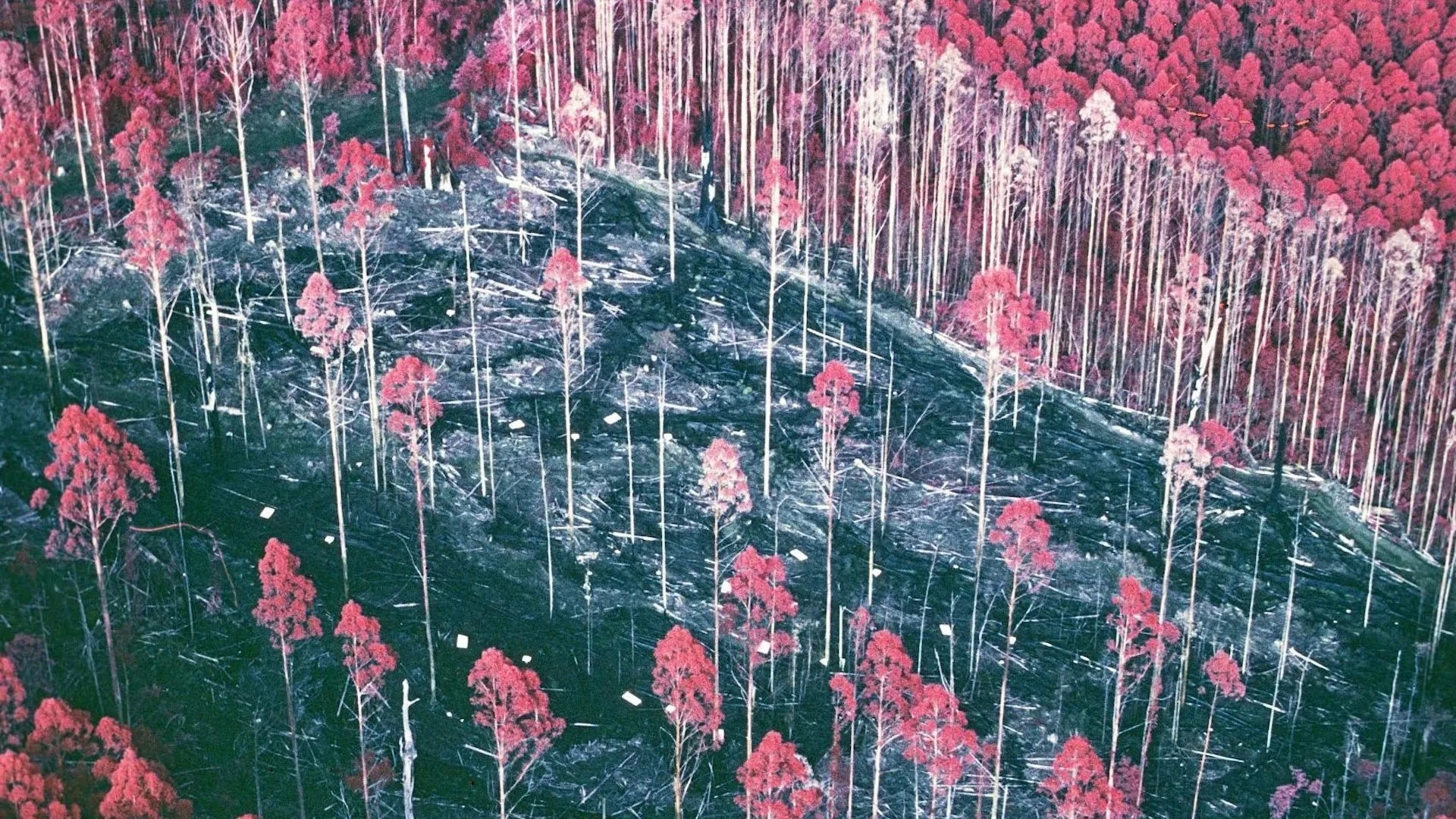
Researchers examining a long-abandoned silvicultural study in Victoria’s mountain ash forests have documented surprising findings about alternative forest management approaches. The Silvicultural Systems Project was established at two sites between 1987 and 1989 to evaluate different harvesting methods as alternatives to traditional clearfelling, which had been the subject of heated debate between conservationists and foresters regarding its ecological impacts.
The experiment compared multiple approaches including traditional clearfelling, small patch clearfelling, and heavy thinning where 50-70% of trees were removed. Early results published by the 2000s indicated that mountain ash regenerated most successfully in clearfell areas, with understory species dominating in areas where larger trees remained. However, the research site was subsequently neglected and largely forgotten by the broader scientific and forestry community.
When researchers revisited the Tanjil Bren site in 2014 as part of a university curriculum, they discovered unexpected developments in the heavily thinned forest sections. Trees left after thinning had grown substantially, with the largest specimens exceeding 1.5 meters in diameter at breast height and averaging 20% larger than trees in unharvested control areas. Analysis revealed that the thinned stands had recovered all carbon removed during harvesting within 30 years and accumulated additional carbon equivalent to unharvested control forests.
The research indicates that larger trees offer greater fire resistance and increased likelihood of developing hollows suitable for endangered species such as greater gliders and Leadbeater’s possums. Camera trap surveys confirmed the presence of Leadbeater’s possums across all silvicultural treatment areas, including the thinned sections, though none were documented in unharvested control areas. The possums utilized acacia trees that grew alongside harvested areas for foraging and movement.
The findings suggest forest thinning may offer multiple benefits by producing timber for local industries while maintaining carbon storage and supporting biodiversity, potentially moving beyond the longstanding conservation-versus-production debate in Australian forestry management.
Article Attribution | Read More at Article Source
Article summary produced by Claude AI