

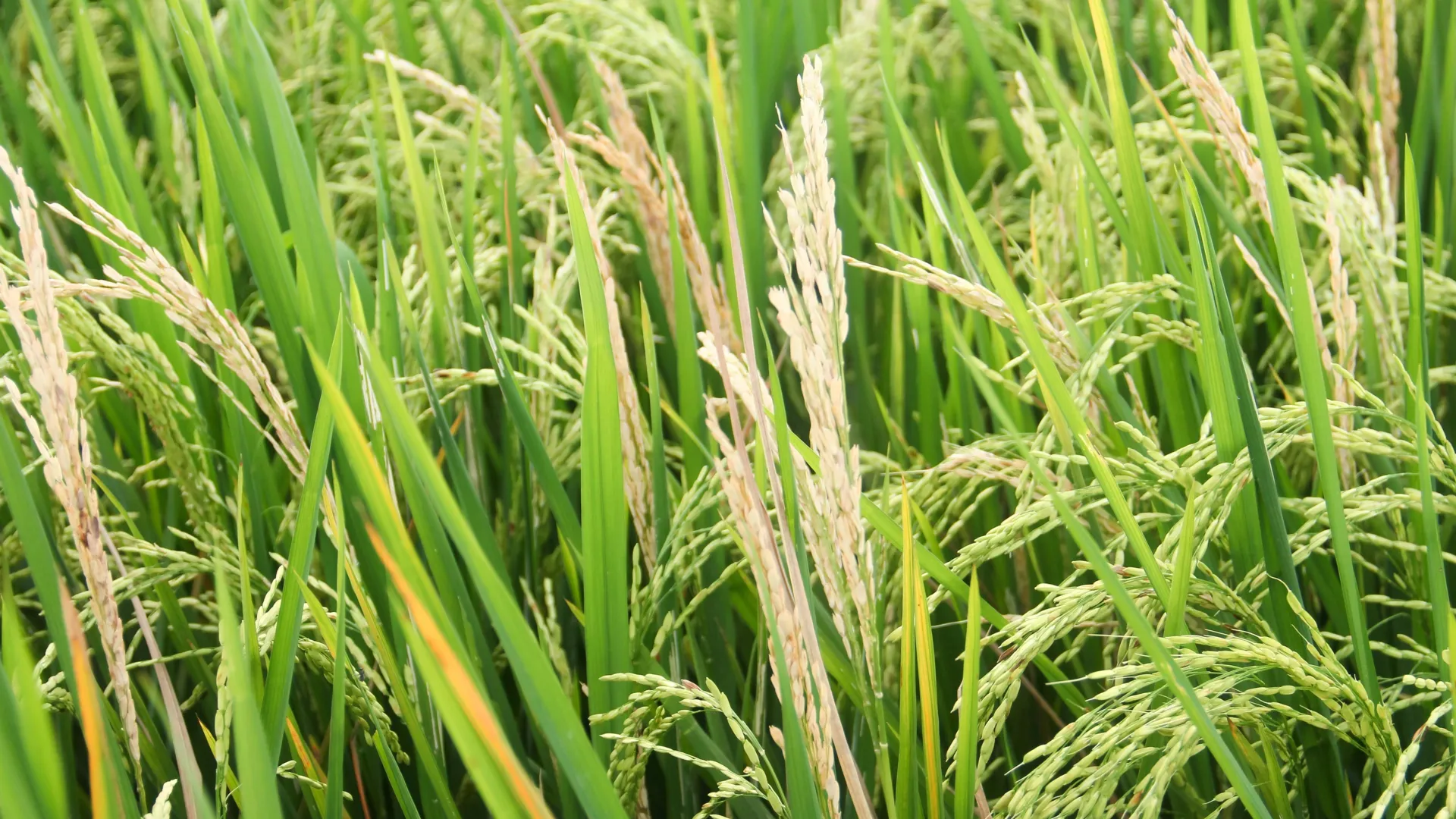
An international research team led by the John Innes Centre in the United Kingdom has identified a new approach to strengthen crop resistance against fungal infections. The focus of their work centers on Magnaporthe oryzae, the fungus responsible for blast disease, which annually destroys enough rice to feed approximately 60 million people. The pathogen has become an increasingly serious threat to wheat and barley cultivation in parts of Asia and Africa, prompting urgent efforts to develop protective measures.
The research examined a group of plant immune proteins called tandem kinase proteins (TKPs), which contain specialized regions known as Heavy Metal Associated (HMA) domains. These domains function similarly to structures found in other well-studied immune receptors and can bind to molecules released by the blast fungus. Using crystallography and biophysical techniques, scientists obtained detailed structural information about how these plant receptors recognize and respond to fungal effectors—specialized molecules the pathogen uses to infect plant cells.
The team successfully modified TKP immune receptors to detect multiple different fungal effectors simultaneously, a capability known as dual specificity that is uncommon in naturally occurring plant immune systems. This breakthrough suggests that protein engineering could expand the range of threats that crop immune systems can recognize. The findings, published in Science Advances, indicate that the engineering techniques previously developed for other immune receptor classes may also work effectively with this newly identified group of proteins.
While the results are promising, the technology remains in early experimental stages. Researchers have conducted initial tests using individual wheat cells in laboratory settings and plan to advance to greenhouse trials with whole plants. Future work may involve combining different types of immune receptors within the same crop or using precision breeding and artificial intelligence to further enhance plant defenses against evolving fungal threats.
Article Attribution | Read More at Article Source
Article summary produced by Claude AI