

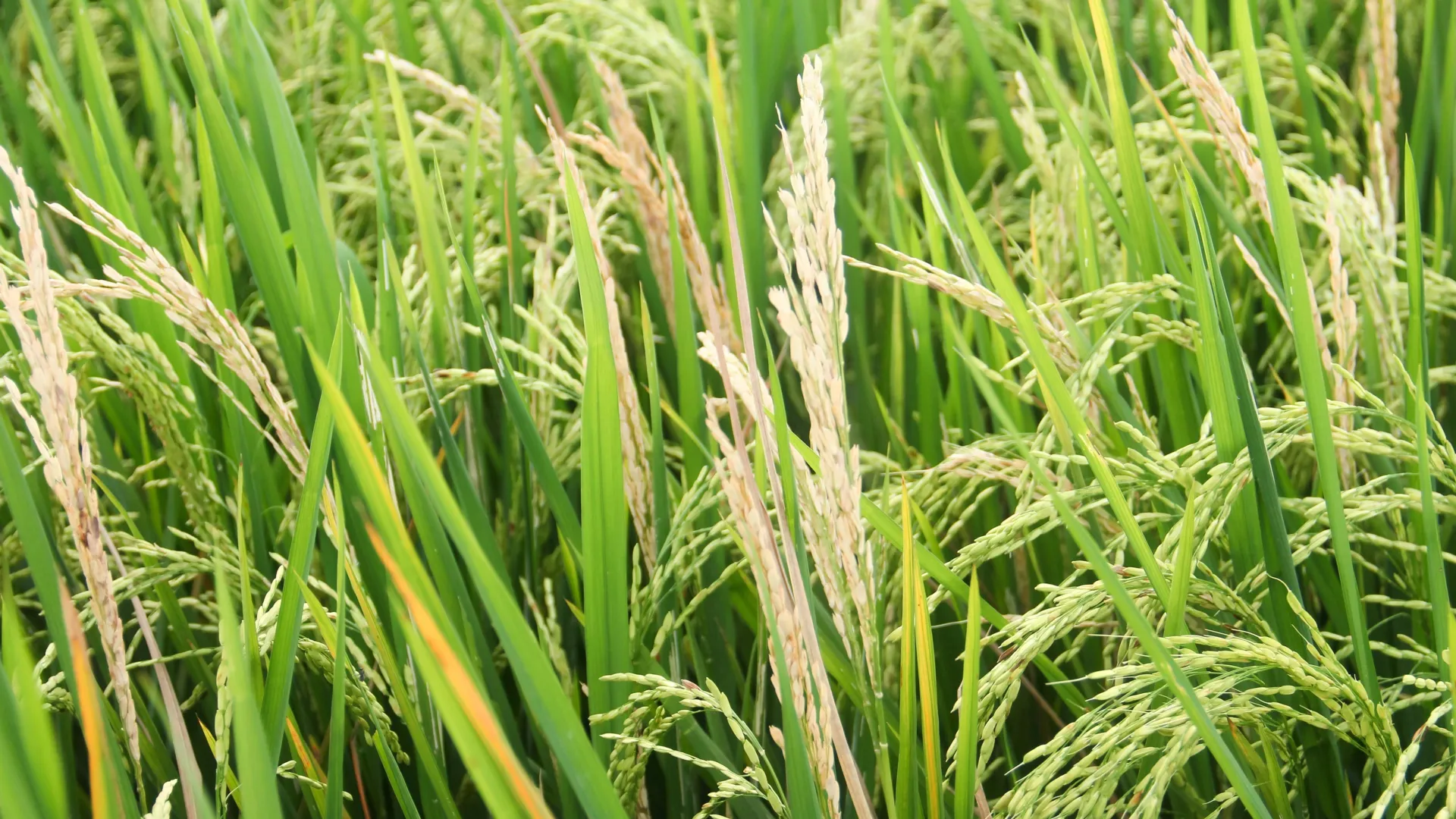
International researchers at the John Innes Centre in the United Kingdom have identified a new approach to strengthen crop defenses against Magnaporthe oryzae, a fungus responsible for blast disease. The pathogen represents the most serious fungal threat to cultivated rice globally and has emerged as a major concern for wheat and barley production in parts of Asia and Africa. Annual losses from rice blast are substantial, with the disease destroying sufficient quantities of rice to feed approximately 60 million people worldwide.
The research team, which included collaborators at Kobe University in Japan, focused on a group of plant immune proteins called tandem kinase proteins (TKPs). These receptors contain specialized regions known as Heavy Metal Associated domains that can recognize molecules deployed by invading fungi. The scientists used advanced techniques including crystallography to understand how these plant defense mechanisms interact with fungal attack molecules at the molecular level. Their findings revealed that these domains function as biological detection systems, allowing plants to identify pathogens and activate protective responses.
Using protein engineering methods, the researchers modified TKP immune receptors to recognize multiple fungal effectors simultaneously—a capability known as dual specificity that is uncommon in naturally occurring plant immune systems. This demonstrates the potential to expand the range of threats that crop immune defenses can detect. The study, published in Science Advances, provides a foundation for investigating other recently identified TKPs across different cereal crops.
The technology remains in its preliminary stages, with initial testing conducted using individual plant cells rather than whole organisms. The next phase involves evaluating engineered receptors in complete plants under controlled greenhouse conditions. Researchers also suggest that combining different classes of immune receptors within the same crop could create multiple layers of protection, potentially making it more difficult for fungi to develop resistance. Future applications may incorporate precision breeding and artificial intelligence to further refine immune receptor design and broaden pathogen detection capabilities.
Article Attribution | Read More at Article Source
Article summary produced by Claude AI