

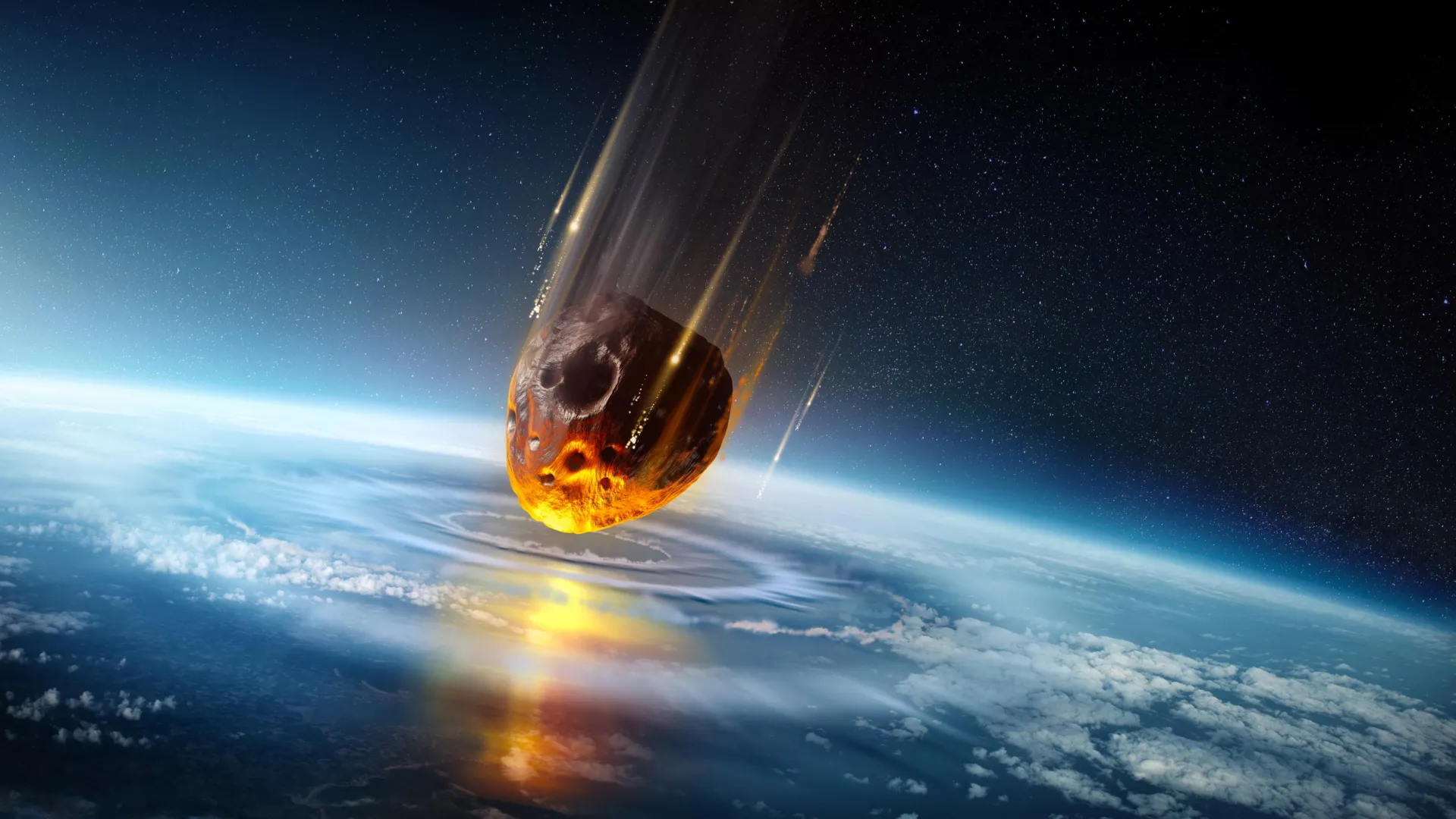
Scientists at The University of Texas at Austin have determined that the Ames impact structure located beneath Ames, Oklahoma formed significantly later than previously established, according to research published in July. The structure, which extends for miles underground and serves as a major oil and gas producer, had long been associated with a cluster of Ordovician meteor impacts occurring around 467.5 million years ago.
Using zircon U-Pb dating techniques, researchers analyzed zircon crystals extracted from granite that had been altered by the meteor strike. These analyses consistently indicated that the impact occurred approximately 370 million years ago during the Late Devonian period, placing the event roughly 100 million years younger than the previous estimate. Lead researcher Elizabeth Catlos noted that multiple dating techniques all produced the younger result, providing confidence in the revised timeline.
Previous dating of the Ames crater relied on fossils of ancient eel-like animals called conodonts preserved in the surrounding rocks. Scientists had assumed these remains dated to the Ordovician period when the impact occurred. However, the new findings suggest the fossilized teeth were millions of years old at the time of impact, having been churned up from older geological layers by the asteroid strike and incorporated into the impact rocks.
The revised dating places the Ames impact in proximity to the Frasnian-Famennian mass extinction event, which occurred approximately 372 million years ago and caused significant losses of marine life. This repositioning carries implications for understanding whether extinction events were primarily caused by extraterrestrial impacts or terrestrial processes such as volcanic activity. Zircon crystals proved particularly valuable for this research because they develop distinctive microscopic structures under the extreme pressures generated during impacts, allowing verification that the crystals actually recorded the collision event.
Researchers suggested that applying similar dating methodologies to additional meteor impact sites across the continent could provide a more accurate timeline for major geological and biological events throughout Earth’s history.
Article Attribution | Read More at Article Source
Article summary produced by Claude AI