

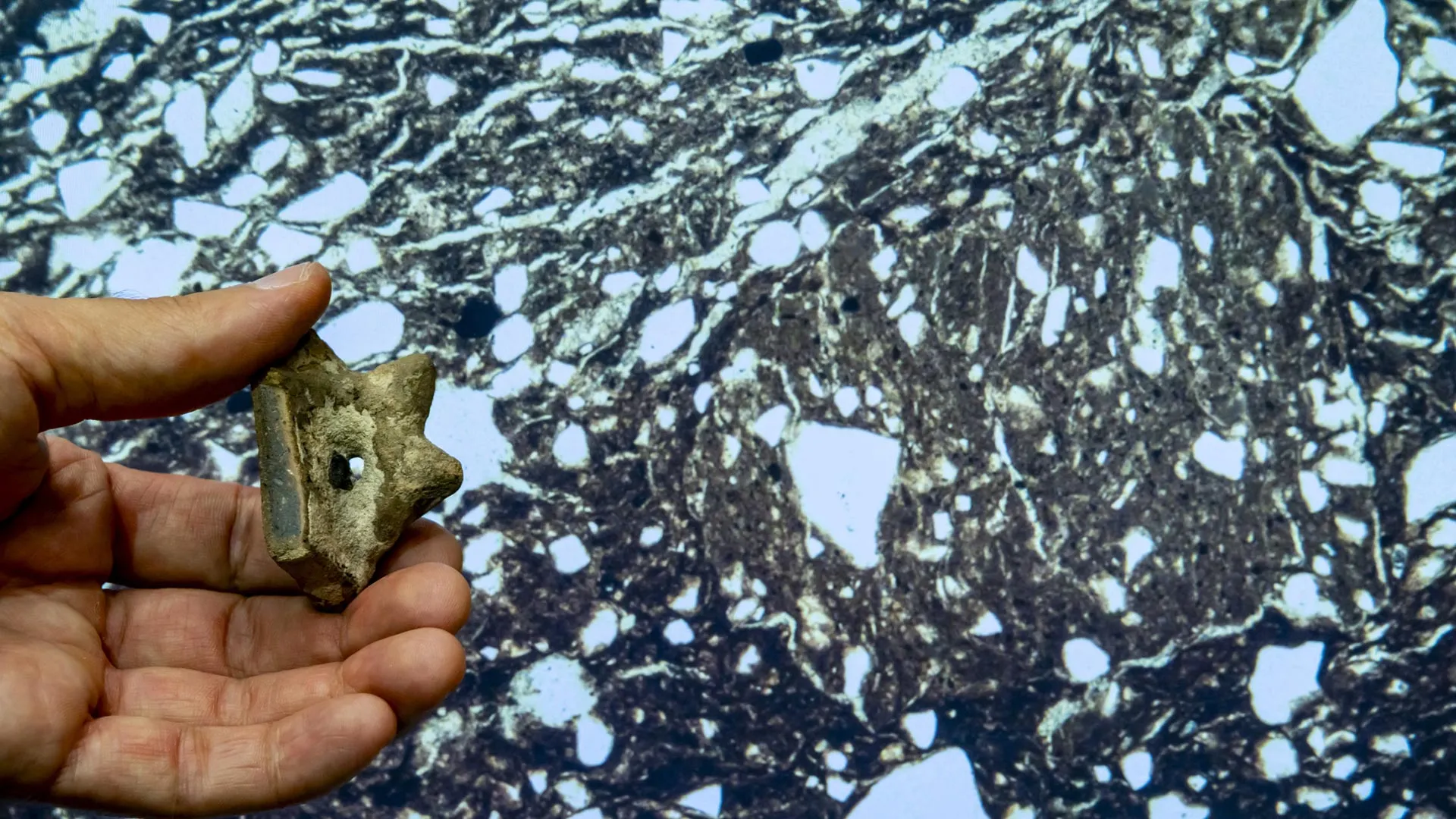
A research team at the Florida Museum of Natural History has completed a study addressing a longstanding archaeological puzzle regarding pottery discovered around Tampa Bay. For approximately a century, fragments bearing Mississippian-style decorations have puzzled researchers, as they suggested connections to a distant culture that flourished over 1,000 years ago across much of southeastern North America, yet traditional maps rarely included peninsular Florida in depictions of Mississippian territory.
The decorated vessels presented a confounding case because Tampa Bay communities exhibited some Mississippian characteristics, such as platform mound-village structures and related iconography, while lacking others like widespread maize agriculture and shell-tempered pottery. This inconsistent pattern left researchers uncertain whether the decorated pottery had been imported through trade, represented local imitations of northern designs, or indicated something else entirely. The mystery persisted for decades as museums stored the fragments without the technological means to definitively determine their origin.
Researchers led by Trevor Duke conducted chemical and microscopic analyses of 58 pottery samples to trace the vessels’ production methods and materials. Using neutron activation analysis, the team determined that the pottery’s chemical composition matched local Tampa Bay clay deposits, ruling out the hypothesis that finished vessels had been manufactured in the distant Mississippian heartland and transported south. However, this finding did not exclude the possibility that local potters had simply imitated northern decorative styles.
Microscopic examination of thin pottery sections provided more conclusive evidence. The decorated fragments contained grog, a crushed pottery temper characteristic of certain Mississippian production traditions. This material, combined with distinct clay preparation and construction methods, differed markedly from the plain molded pottery common in the region. These findings suggest that skilled craftspeople from the Mississippian heartland migrated hundreds of miles south to Tampa Bay, where they established themselves within local communities while maintaining their specialized pottery-making techniques and access to particular resources unavailable to other residents.
Article Attribution | Read More at Article Source
Article summary produced by Claude AI