

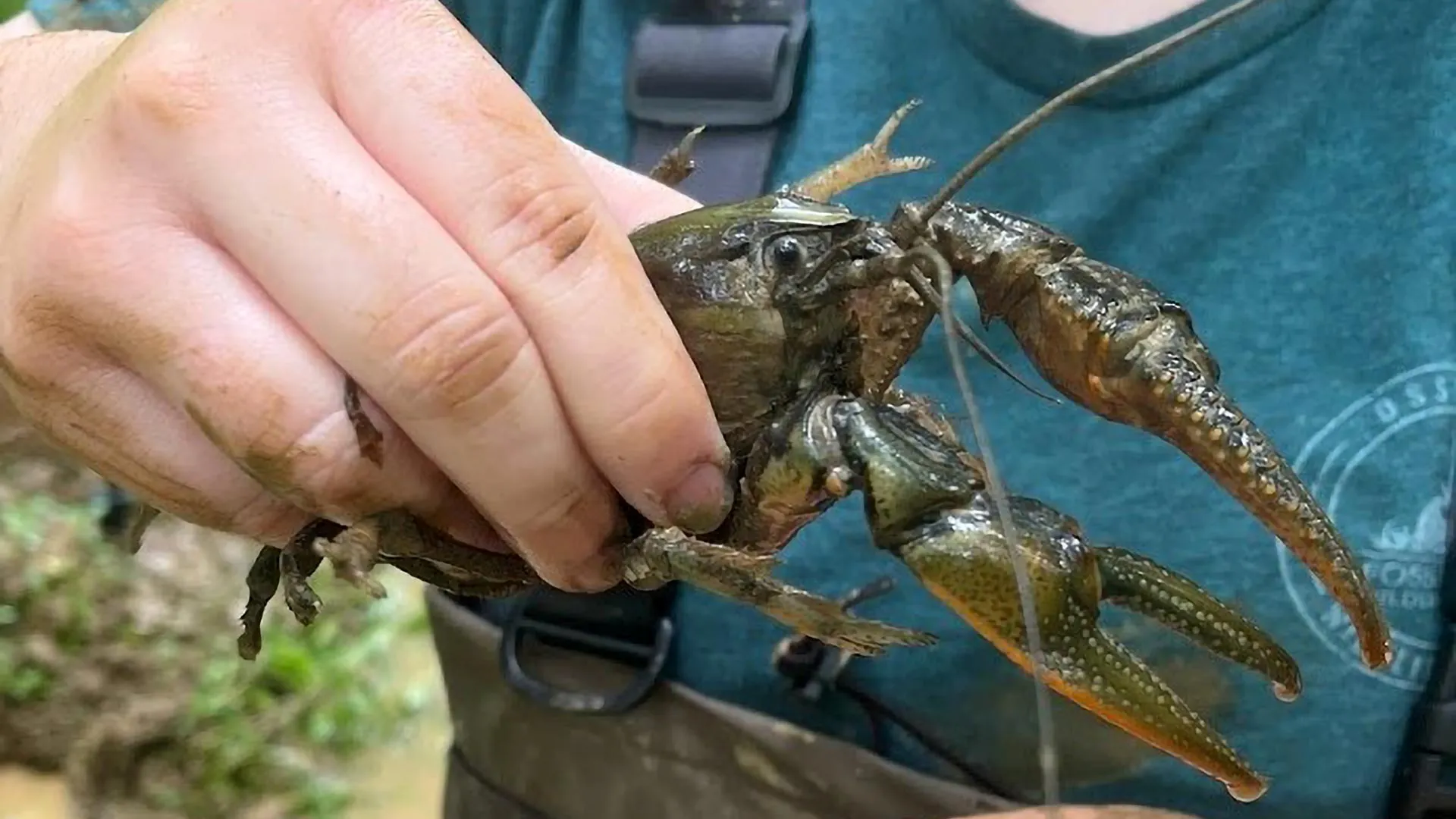
A teaching assistant professor at the University of Illinois Urbana-Champaign initiated a research project after discovering an exceptionally large crayfish specimen during a biological survey in Kentucky. The discovery prompted collaboration with biologists and museum curators across the country to identify the largest crayfish specimens in existing collections using precision measurement tools.
The collaborative effort produced a ranked list of 20 extraordinarily large crayfish representing 18 different species. The largest known North American crayfish specimen was identified as a Tennessee bottlebrush crayfish housed in the collection at West Liberty University in West Virginia, measuring approximately 3.4 inches in body length excluding appendages. This specimen was originally collected in 2011 and had been preserved in the university’s museum collection. The Illinois Natural History Survey and the Smithsonian Institution’s National Museum of Natural History were among the institutions that contributed significant specimens to the research, which was published in the journal Ecology.
The research revealed an unexpected pattern in crayfish maximum sizes. Despite variations across different species and geographic locations, the largest specimens across all groups tended to reach approximately 80 millimeters in body length, suggesting a potential upper size limit for North American crayfish. This finding raised questions about the underlying biological mechanisms responsible for this apparent growth ceiling.
Investigators examined multiple environmental and geographic factors, including latitude, oxygen availability, and habitat type, to explain variations in maximum crayfish size. However, none of these environmental variables demonstrated a clear correlation with body size, leading researchers to hypothesize that biological constraints may be the primary determinant. Potential explanations include differences in exoskeleton structure or muscle anatomy that could physically limit growth. The researchers identified this discovery as warranting further investigation into crayfish physiology to understand what biological factors influence their maximum body size.
Article Attribution | Read More at Article Source
Article summary produced by Claude AI