

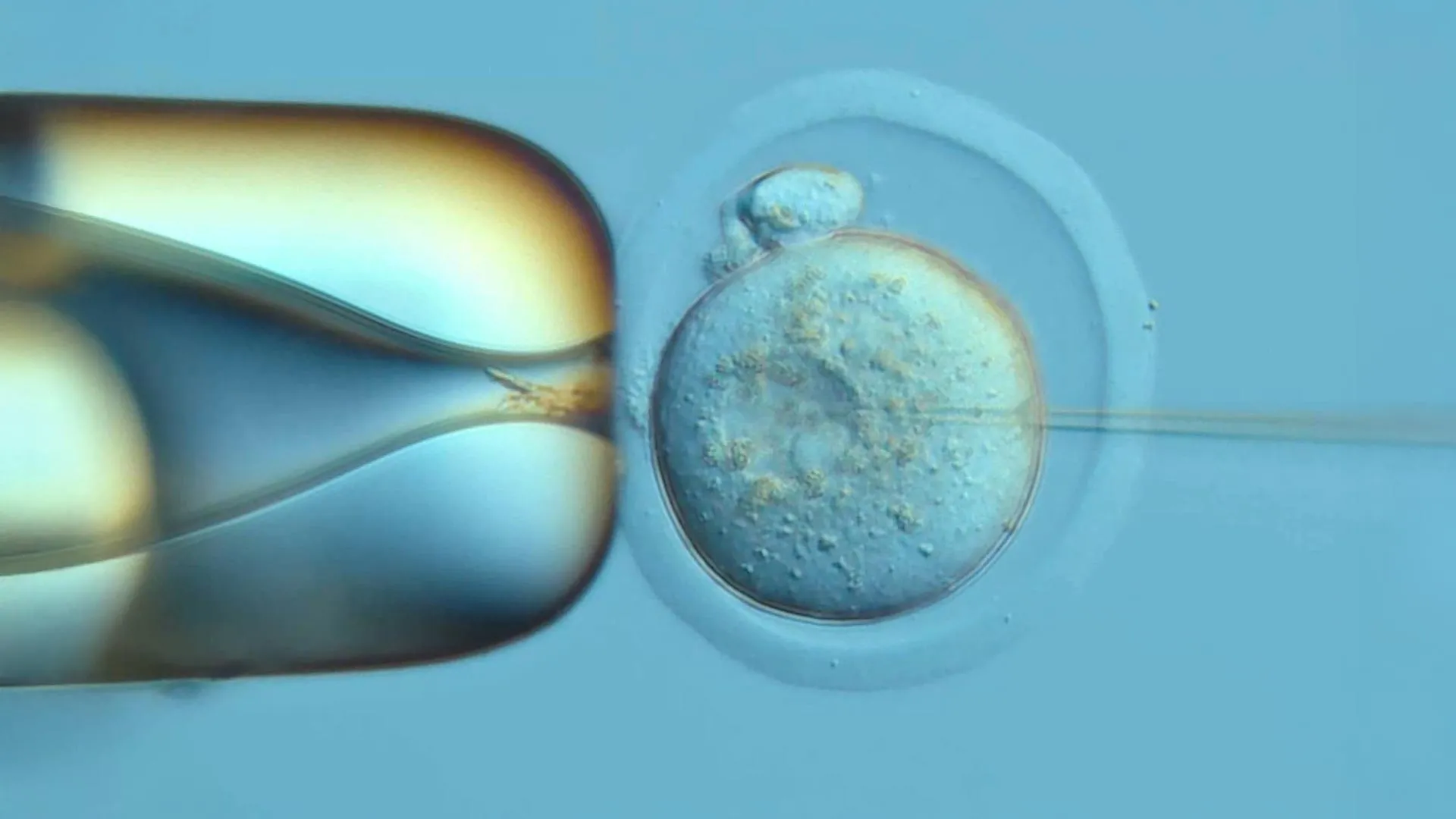
Researchers have successfully reconstructed a comprehensive cellular family tree of a developing mouse embryo using a novel DNA recording technology, according to findings published on October 8, 2026, in Science. The study traced embryonic development across the first 13.5 days, following how initial cells divided, acquired specialized functions, and ultimately formed distinct organs and tissues. This represents a significant advancement in understanding mammalian development, as previous research on more complex organisms had been limited in scope compared to studies on simpler organisms like roundworms.
The breakthrough was enabled by DNA Typewriter, a technology developed to record cellular division history directly within DNA sequences. Rather than simply observing cells as they divide, the system embeds a recording mechanism into an embryo’s genome that documents divisions in sequential order. As cells divide, the recording marks accumulate in a fixed sequence, functioning similarly to entries in a biological logbook. These marks are inherited by daughter cells, allowing researchers to reconstruct ancestral relationships by identifying matching recorded sequences. The redesigned recording system made it possible to both write and retrieve information more efficiently from individual cells compared to earlier techniques.
Dr. Jay Shendure of the University of Washington School of Medicine and Dr. Chengxiang Qiu of Dartmouth College led the research. The team began with 100 fertilized mouse eggs, with 10 embryos ultimately providing usable data. One specimen, designated Embryo No. 3, yielded particularly clear recordings and became the focus of detailed analysis. Key findings included the ability to distinguish and trace the two original cells formed after the egg’s first division, revealing that while one contributed more descendants overall, both founded similarly diverse cell types at nearly equal ratios.
The recordings also provided insights into developmental timing, demonstrating when cells begin committing to specialized roles. Early embryonic cells retain the capacity to develop into many different tissue types, but gradually become more specialized as development progresses, eventually forming structures such as the nervous system, skin, blood, and eyes. The research may advance understanding of normal development and could eventually inform knowledge about congenital malformations, neurodevelopmental conditions, and genetic disorders, according to researchers involved in the study.
Article Attribution | Read More at Article Source
Article summary produced by Claude AI