

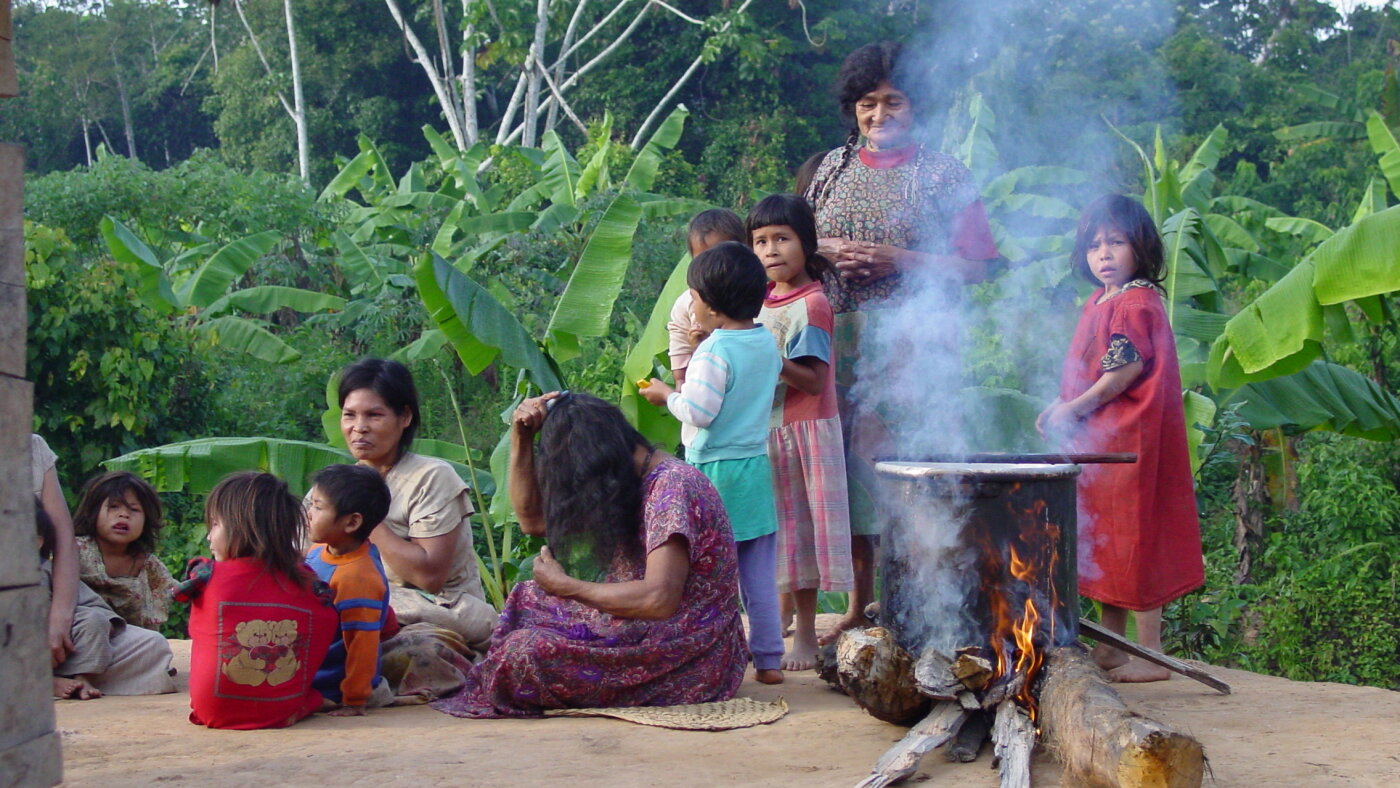
Researchers have identified striking similarities in the gut microbiomes of the Hadza people in northern Tanzania and the Tsimane people in the Bolivian Amazon, according to findings published in the journal Nature. Despite living approximately 7,000 miles apart and consuming different foods, analysis of stool samples revealed that both groups shared around 1,200 bacterial species, representing a near-90% overlap in their microbial profiles.
The research team, led by Stanford University professor Justin Sonnenburg, suggests this microbial kinship originated in common ancestral populations before human migrations separated these groups. Using genetic analysis techniques to estimate bacterial evolution rates, the scientists determined that shared microbial strains likely had a common ancestor approximately 17,000 years ago, with some dating considerably further back. The researchers hypothesize that human ancestors carried these microbes with them as they migrated out of Africa, through Eurasia, across a now-submerged land bridge connecting Russia and Alaska, and eventually to South America.
In contrast, the microbiomes of industrialized city dwellers, even those living near these indigenous communities, differed markedly from both the Hadza and Tsimane populations. Sonnenburg noted that the substantial overlap was “startling” given the geographic isolation and lifestyle differences between the groups. He suggested that both communities maintain lifestyles similar to ancestral human patterns, which would be more conducive to preserving ancient microbial lineages.
The findings raise questions about modern health implications. Sonnenburg indicated that human genomes may have evolved expectations for specific microbial communities over extended periods, suggesting that loss of this microbial diversity through industrialization could present biological challenges. However, other scientists in the field urge caution in interpreting these results. Andrew Moeller from Princeton University noted that the industrialized microbiome profile may itself be adapted to modern lifestyles, and that whether ancestral microbial loss represents a health disadvantage or advantage remains undetermined.
Article Attribution | Read More at Article Source
Article summary produced by Claude AI