

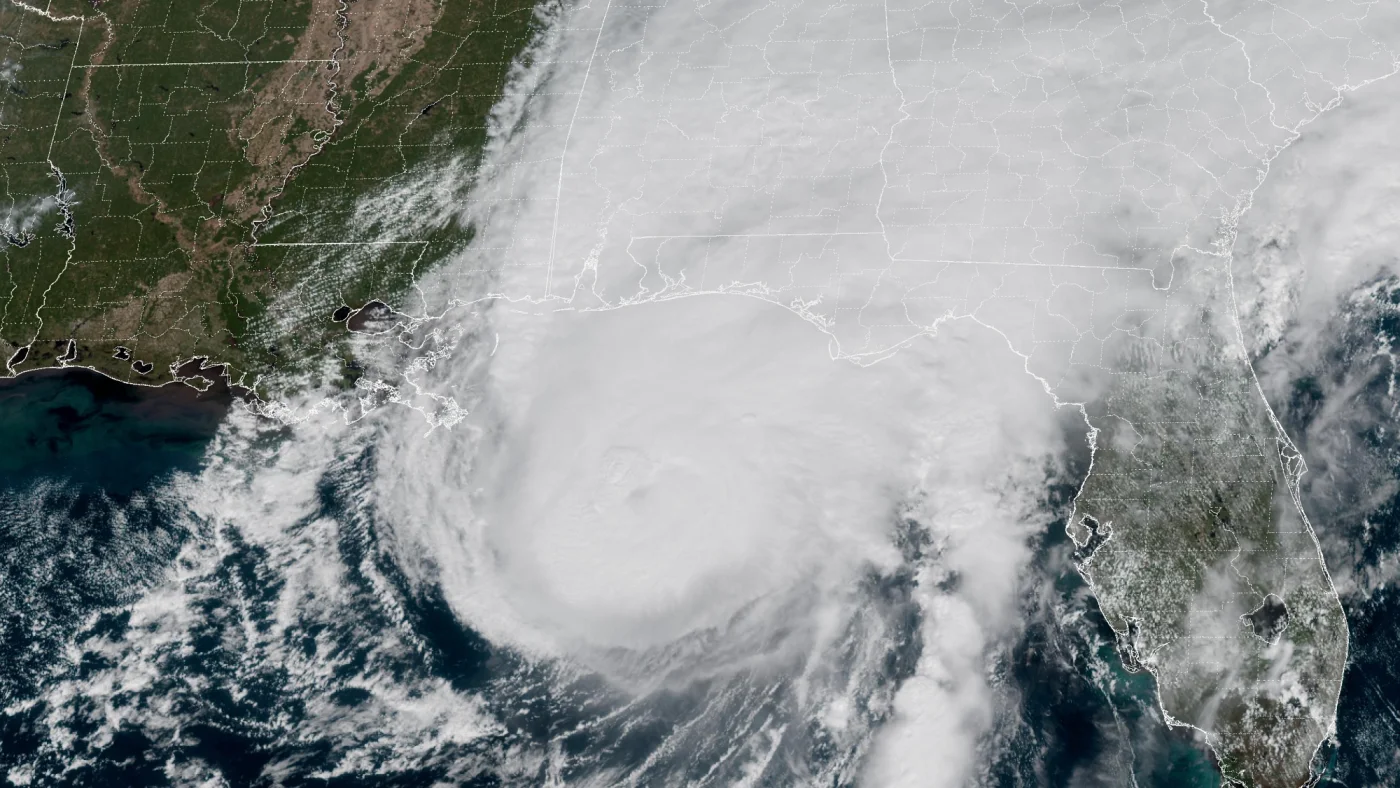
Artificial intelligence is playing an expanding role in hurricane forecasting, with technology experts and meteorologists noting rapid improvements in prediction accuracy. Earlier this month, when Hurricane Isaias formed during the Atlantic season, an AI model developed by Google DeepMind successfully predicted the storm would make landfall near Destin, Florida, as a Category 2 hurricane, while conventional forecasting models initially indicated it would travel further west toward Louisiana.
The National Hurricane Center began officially incorporating the Google DeepMind model into its forecasts last year, and by the conclusion of the 2025 Atlantic hurricane season, it had already established itself as one of the most reliable prediction tools available. Hurricane researchers note this represents an unusually rapid rise to prominence for a new forecasting model, as new systems typically require years of refinement before achieving such performance levels. Unlike traditional physics-based models that rely on atmospheric equations and real-time data from satellites and aircraft, AI-based systems function by identifying patterns from historical storm data and atmospheric information.
However, the reliance on artificial intelligence introduces new challenges for meteorologists. Because AI models operate as complex neural networks trained on massive datasets, forecasters often cannot fully explain why the systems produce accurate—or inaccurate—predictions. This creates what some describe as a “black box” situation, where the underlying reasoning remains opaque to human experts. Additionally, not all AI weather forecasting models have proven effective; only Google DeepMind and the European Centre for Medium-Range Weather Forecasts have consistently demonstrated reliable performance.
Despite these limitations, the National Hurricane Center continues using a consensus approach that blends both AI and traditional models when preparing official forecasts. Human meteorologists remain essential to interpreting model outputs and translating technical predictions into clear public guidance. Officials note that AI models can sometimes show dramatic shifts between forecast updates, requiring human expertise to provide continuity and translate results into actionable hazard information. The Google DeepMind model, while successful at tracking Isaias’s path, performed less effectively in predicting storm intensity, an area where continued improvement is needed.
Article Attribution | Read More at Article Source
Article summary produced by Claude AI