

An international team of researchers has refined a laboratory method for measuring DNA-bound phosphorus in soils, according to a study published in the Journal of Agricultural and Marine Sciences. The work involved collaboration among scientists from Sultan Qaboos University, James Hutton Institute, the Environment Authority of Oman, and other institutions. The improved technique maintains the accuracy and sensitivity of previous approaches while reducing complexity and cost.
The researchers tested and modified an existing analytical procedure using 32 different soil types from across the United Kingdom. A key improvement involved removing enzyme treatments that were previously considered necessary steps in the measurement process. However, the researchers found that ultrafiltration remained essential for separating DNA-bound phosphorus from other phosphorus-containing compounds to ensure measurement accuracy.
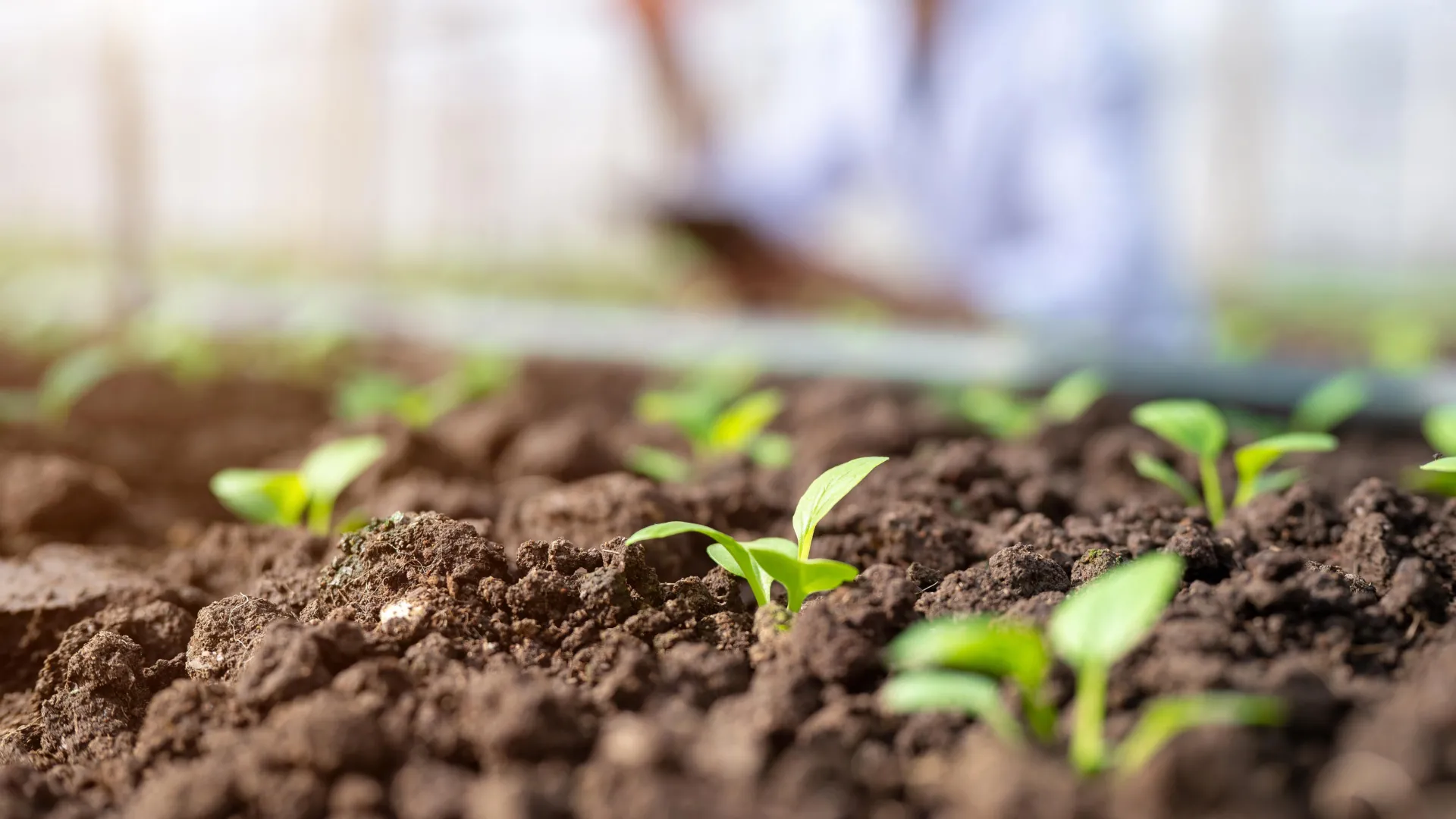
DNA-bound phosphorus forms part of the organic phosphorus pool associated with living microorganisms in soil. Because microbes continuously absorb, transform, and release nutrients, this form of phosphorus offers insights into the biologically active portion of soil phosphorus cycles. Although DNA-bound phosphorus represented only a small portion of total organic phosphorus in the studied soils, its concentration demonstrated strong relationships with several important soil properties, including pH, microbial biomass phosphorus, organic matter content, and dissolved phosphorus in soil water.
Phosphorus is essential for plant growth and food production, yet global natural phosphorus reserves are limited. Understanding how this nutrient is stored, transformed, and released in soil systems is important for maintaining agricultural productivity while reducing waste and environmental impacts. The refined measurement method provides scientists with a more practical tool for investigating how microbial communities influence phosphorus availability to plants, potentially supporting future research into soil fertility, nutrient management, and sustainable agricultural practices.
Article Attribution | Read More at Article Source
Article summary produced by Claude AI