

October is hosting several significant astronomical events this month, according to NASA observations. The celestial calendar includes a planetary occultation, two distinct meteor showers, and a bright full Moon near the end of the month, providing ample opportunities for observers to witness noteworthy night sky phenomena.
On the morning of October 6, skywatchers across parts of North America had the chance to observe Jupiter temporarily disappearing behind the Moon in an event known as a lunar occultation. This occurs when the Moon passes directly between Earth and a more distant celestial object, obscuring the view. The occurrence lasted approximately an hour and was visible to the naked eye, though binoculars provided enhanced detail. Observers with optical equipment could potentially watch Jupiter’s moons emerge and disappear along the lunar edge. The visibility window was limited to specific geographic regions across eastern and central North America, with precise timing varying by location during early morning hours.
Two meteor showers are scheduled to reach their peaks this month. The Draconid shower peaks on the evenings of October 8 and 9, with favorable conditions beginning around 9 p.m. EDT. This shower offers a convenient viewing window for casual observers, as the meteors are best visible soon after nightfall rather than requiring late-night observation. The near-new Moon phase this year creates darker skies, enhancing visibility even of faint meteors. The Orionid meteor shower, associated with debris from Halley’s Comet, reaches its peak on October 21. Observers in darker locations can expect to see several meteors hourly, though suburban observers may observe fewer due to artificial lighting. A waxing gibbous Moon may initially reduce visibility of dimmer meteors, but conditions improve after the Moon sets around 3 a.m. local time.
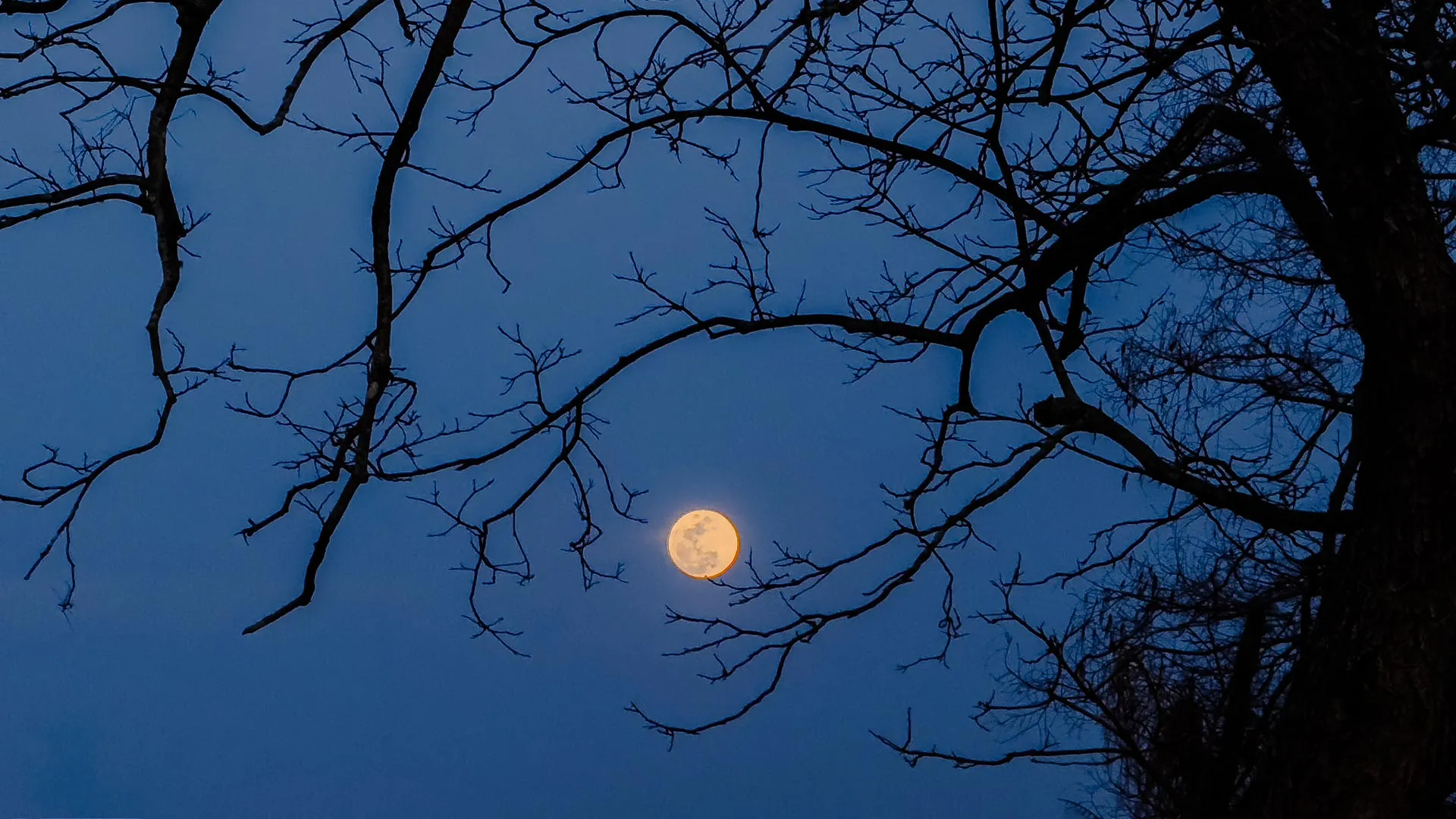
The final major event occurs with the Hunter’s Moon reaching its full phase on October 26 in Universal Time, appearing fully illuminated on the evening of October 25 across much of North America. Named for historical autumn hunting traditions, the bright Moon will remain prominent in the sky throughout the following days, gradually transitioning to a waning phase as Halloween approaches and completing the month’s celestial offerings.
Article Attribution | Read More at Article Source
Article summary produced by Claude AI