

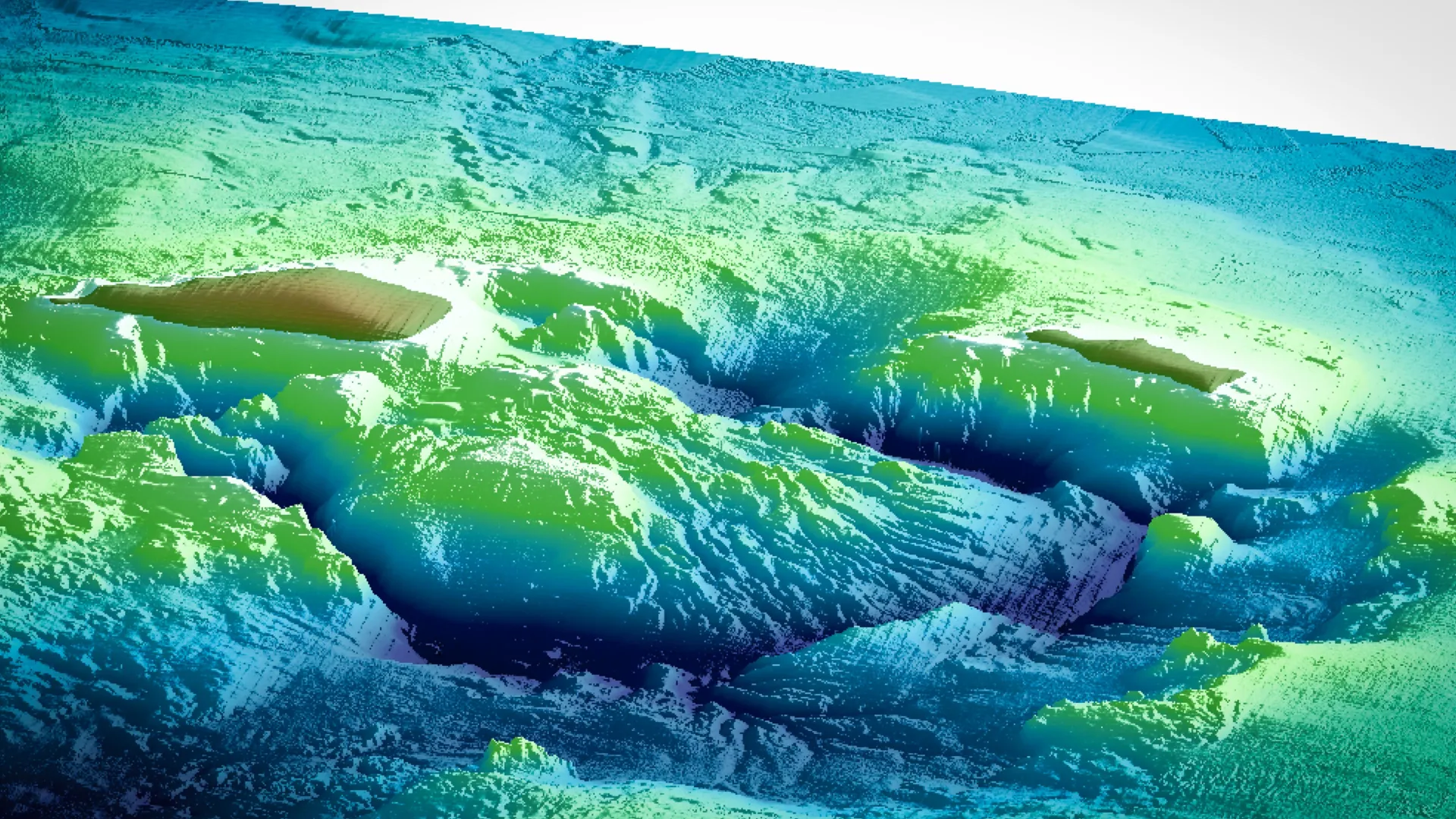
Researchers from Kobe University and the Japan Agency for Marine-Earth Science and Technology have identified evidence of magma replenishment occurring beneath Kikai caldera, located largely beneath the ocean off Japan’s coast. The caldera produced one of the largest known volcanic eruptions during the Holocene epoch roughly 7,300 years ago. The discovery provides a window into understanding how supervolcanic systems accumulate the enormous quantities of molten rock necessary for catastrophic eruptions, a process that remains poorly understood despite its significance for volcanic hazard assessment.
Using advanced seismic techniques, the research team deployed airgun arrays to generate seismic pulses through the ocean floor and recorded the results with specialized instruments. Analysis of how seismic waves traveled through underground rock revealed a substantial magma-rich region directly beneath the site of Kikai’s ancient eruption. The findings, published in Communications Earth & Environment, indicate that this region represents the same magma storage system involved in the prehistoric eruption, based on its position and extent.
Perhaps most significantly, chemical and geological evidence suggests the magma currently stored beneath Kikai is not merely residual material from the eruption thousands of years ago. A lava dome has been forming near the caldera’s center over approximately the past 3,900 years, and volcanic material from this dome differs chemically from material ejected during the ancient eruption. This compositional difference indicates that new injections of molten rock from deeper within Earth’s crust or mantle have replenished the reservoir over time rather than the magma remaining unchanged since the previous eruption.
The research team believes this gradual magma replenishment process may explain the presence of large shallow magma reservoirs beneath other major supervolcanoes, including Yellowstone in the United States and Toba in Indonesia. Understanding these accumulation mechanisms could improve scientists’ ability to recognize warning indicators and assess the long-term behavior of supervolcanic systems. Researchers plan to refine their seismic monitoring techniques to gain deeper insights into magma movement and storage patterns, ultimately advancing the capacity to detect precursory signs of future major eruptions.
Article Attribution | Read More at Article Source
Article summary produced by Claude AI