

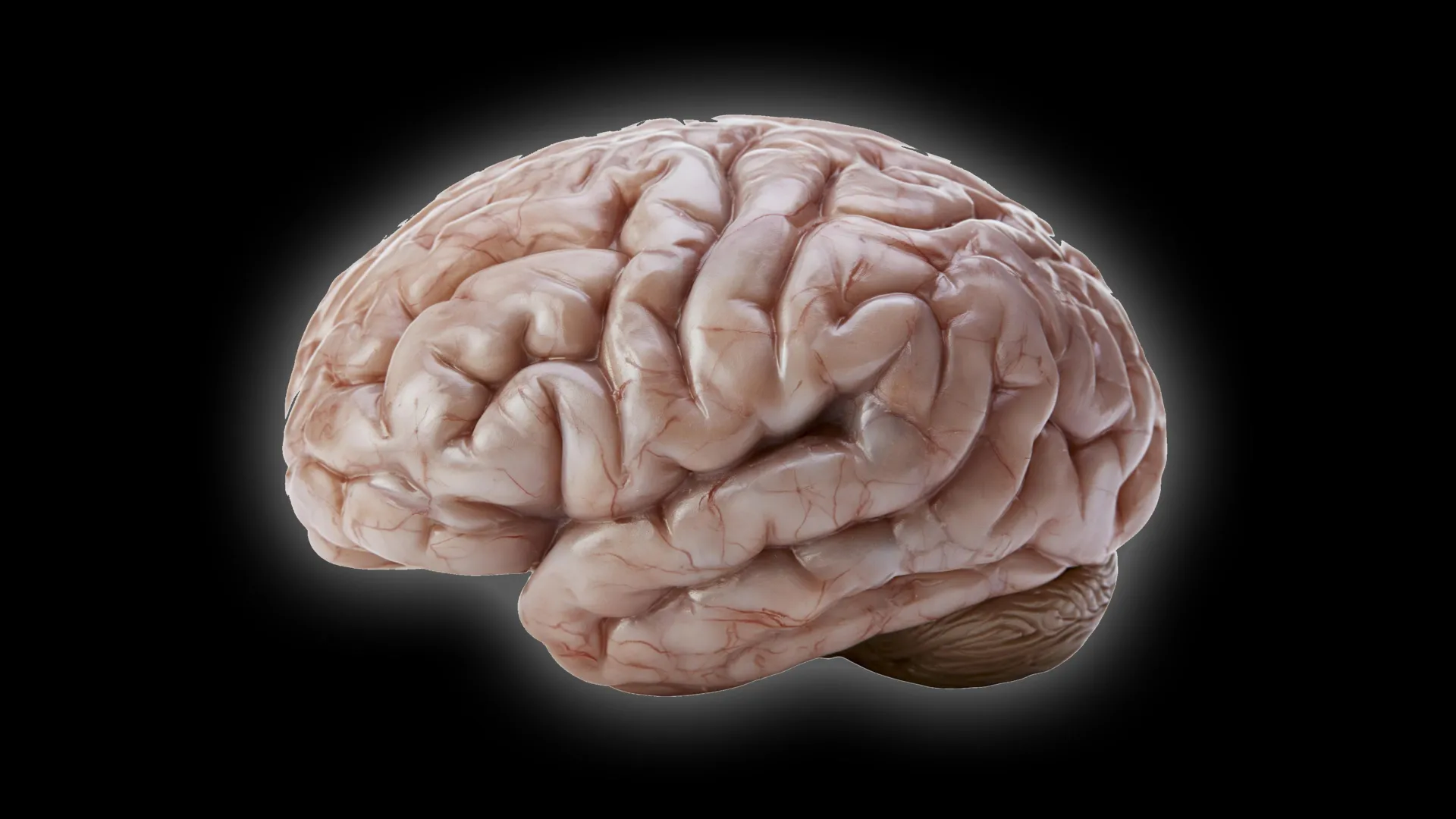
Researchers at the German Primate Center in Göttingen have discovered the biological mechanisms underlying differences in brain structure between common marmosets and humans. While most primates possess relatively large brains with distinctive folds and grooves, common marmosets are notable exceptions, featuring brains that are almost entirely smooth with minimal folding. The study, published in Science Advances, examined neural progenitor cells—the cells responsible for producing neurons during brain development—and identified multiple cellular processes that differ between the two species.
The investigation compared brain organoids, miniature three-dimensional structures grown from cells that replicate early brain development, derived from both human and marmoset cells. Researchers found that several factors work in concert to limit neuron production in marmosets. These include slower rates of cell division in certain progenitor cells, simpler cellular structures with fewer extensions compared to human counterparts, and a shorter developmental window during which these cells can rapidly multiply. Each of these factors contributes to reduced neuron production, resulting in the smaller size and diminished folding of the marmoset cerebral cortex.
The study established important correlations between organoid development and natural brain development, determining that a marmoset brain organoid grown for 50 days corresponds to a natural marmoset brain at day 90. This relationship proved crucial for making meaningful comparisons between laboratory models and actual primate brains, allowing researchers to interpret their findings more accurately.
Beyond evolutionary implications, the research provides insights into how relatively modest variations in cellular behavior and developmental timing can produce substantial differences in brain morphology across primate species. The findings establish a foundation for further investigation into human brain development and could contribute to understanding developmental disorders affecting the human brain by clarifying the cellular mechanisms that regulate neuron production and overall brain growth.
Article Attribution | Read More at Article Source
Article summary produced by Claude AI