

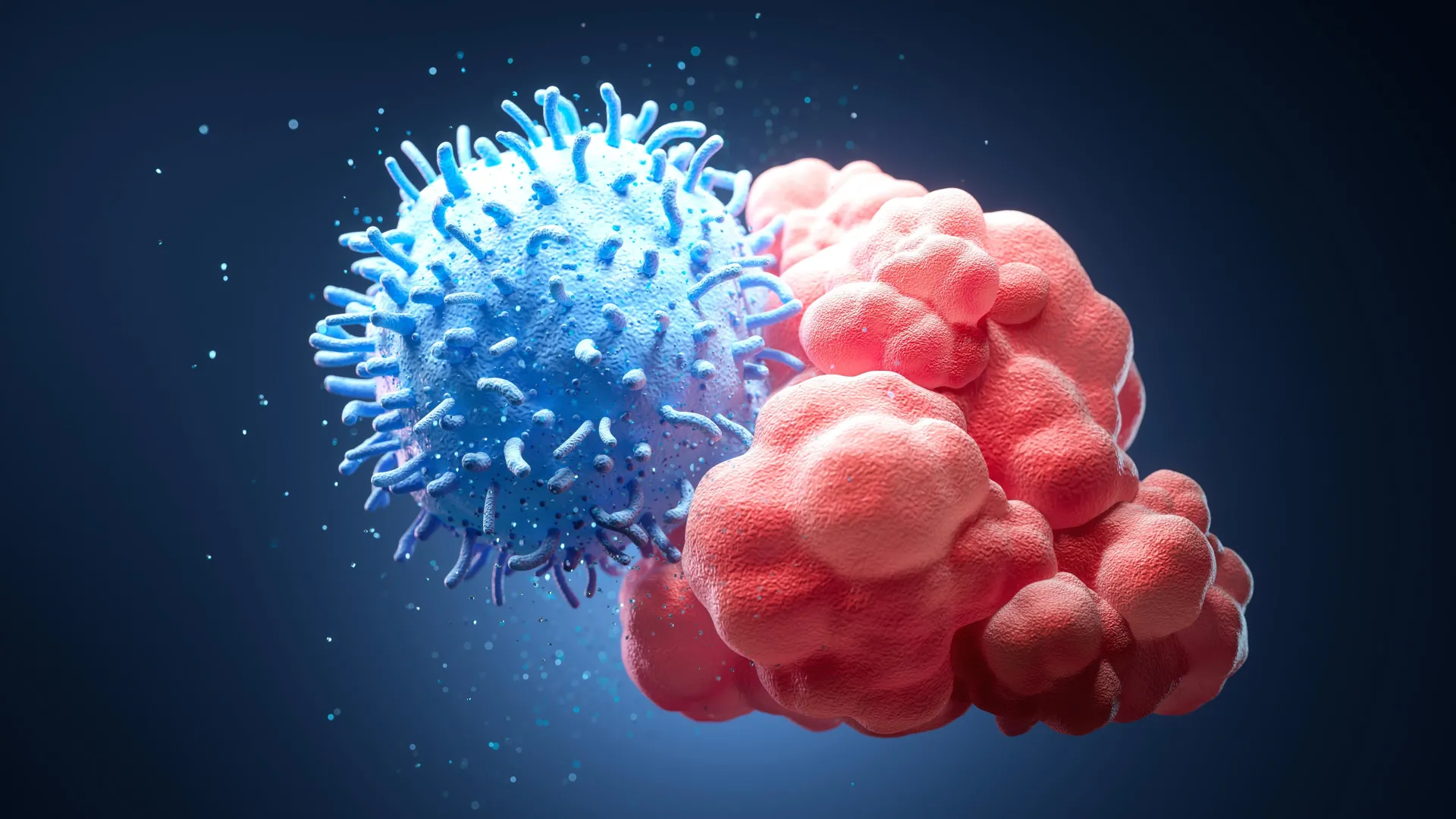
Researchers at McGill University have identified a previously unknown capability in tissue-resident memory T cells, specialized immune cells that persist in body tissues following infections. The findings, published in Nature Immunology, demonstrate that these cells can detect and respond to the mechanical properties of their surrounding environment, a discovery that contradicts the established understanding that chemical signals alone direct their development and function.
The research team found that T cells exposed to increasingly stiff materials showed greater tendencies to develop characteristics associated with long-term immune memory. The scientists conducted experiments using specially engineered collagen gels with varying levels of stiffness, introducing human and mouse immune cells into these controlled environments. The results revealed a consistent correlation between tissue stiffness and the cells’ capacity to acquire memory-related properties, suggesting that physical adaptation to mechanical forces may be essential for these cells to maintain protective effects over extended periods.
According to lead researcher Judith Mandl from McGill’s Department of Physiology, the discovery fundamentally alters how scientists conceptualize immune cell behavior. The finding indicates that T cells possess the ability to sense and adjust to their physical surroundings, making the mechanical characteristics of tissue an active participant in determining cellular outcomes.
The potential applications of this research extend across multiple medical fields. In cancer treatment, improved understanding of how immune cells navigate physically dense tumor environments could enhance the development of immunotherapy approaches. The work may also inform treatment strategies for autoimmune disorders, allergies, and transplant rejection complications, where the immune system’s interactions with tissue mechanics play significant roles. Moving forward, researchers aim to identify the molecular mechanisms that enable T cells to detect mechanical forces, with the goal of translating these findings into therapeutic interventions.
Article Attribution | Read More at Article Source
Article summary produced by Claude AI