

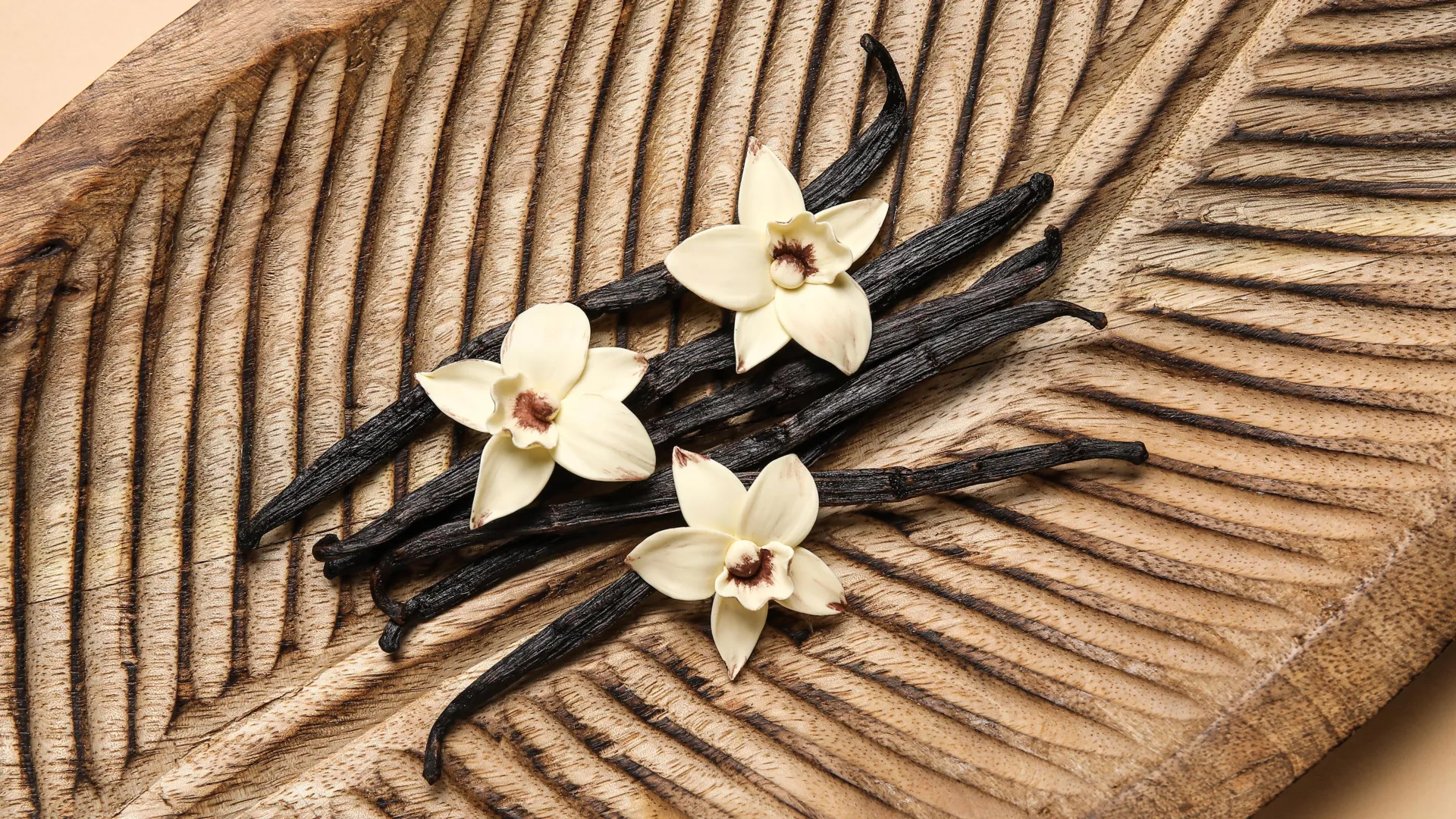
Researchers at Flinders University’s Biomedical Nanoengineering Laboratory have identified potential medical applications for vanillin, the primary flavor and aroma compound found in vanilla. The compound exhibits antioxidant, anti-inflammatory, and antibacterial properties that could be valuable in treating chronic wounds, infections, and damaged tissue. Vanillin can be extracted from natural vanilla pods or synthesized from sources such as clove oil or rice.
The chemical structure of vanillin enables it to function as a dynamic crosslinker, potentially useful in creating specialized medical formulations including drug delivery systems and tissue repair materials. The compound can interact with reactive oxygen species, cellular membranes, and polymeric matrices, making it particularly suited for wound care applications. Chronic wounds and ulcers present ongoing treatment challenges due to persistent inflammation, bacterial contamination, and oxidative stress—conditions that a vanillin-based material could potentially address simultaneously.
One significant advantage of vanillin is its availability and cost-effectiveness. Synthetic vanillin can be produced in large quantities, potentially making it easier to incorporate into commercially manufactured medical products compared to more expensive or difficult-to-source compounds. Its relatively simple molecular structure and compatibility with established manufacturing processes could support consistent product quality and large-scale production.
This research builds on earlier work at Flinders University exploring medical properties in common food ingredients. In February 2026, the research team published findings describing a medical coating developed from peppermint oil, which was designed to protect against bacterial infection, inflammation, and oxidative stress. The success with peppermint oil helped establish an approach that researchers are now extending to vanillin.
While the findings suggest promising possibilities, vanillin-based wound treatments would require further development and clinical testing before effectiveness and safety in patients could be established. Researchers envision vanillin eventually becoming an ingredient in advanced wound dressings, ulcer treatments, targeted drug delivery systems, and therapies designed to support tissue regeneration. The research was published in the International Journal of Pharmaceutics.
Article Attribution | Read More at Article Source
Article summary produced by Claude AI