

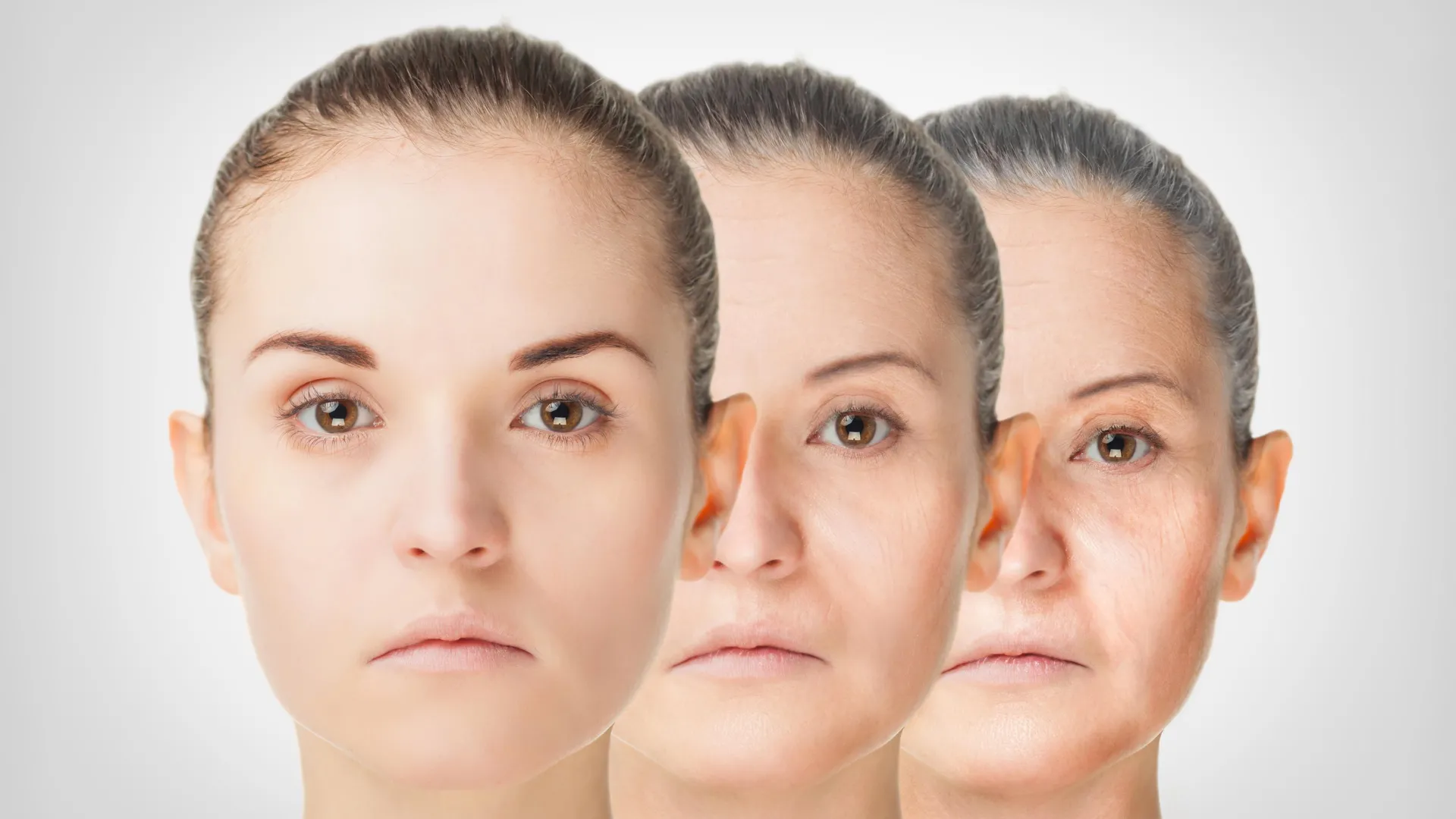
Researchers led by Lige Leng of Xiamen University identified a previously overlooked connection between a brain protein called Menin and various aging processes throughout the body. The discovery centers on the hypothalamus, a small region near the brain’s base that regulates body temperature, hunger, metabolism, sleep, and hormone production. Because these systems affect nearly every organ, changes in the hypothalamus can have widespread consequences.
The team found that Menin levels gradually decline in certain hypothalamic neurons as mice age. This protein helps restrain inflammation in the hypothalamus and participates in regulating gene activity. When scientists created genetically modified mice with reduced Menin activity, the animals developed greater brain inflammation, thinner skin, reduced bone mass, and worsening cognitive performance, with modestly shortened lifespans. This suggested that Menin loss actively contributes to aging rather than simply accompanying it.
When the researchers used gene delivery to restore Menin production in older mice, measurable improvements appeared within 30 days. The treated animals showed thicker skin, increased bone mass, and improved performance on tests measuring learning, memory, and balance. They also experienced reduced inflammation and lived longer than untreated controls, suggesting some age-related biological changes could be partially reversed.
Further investigation revealed that declining Menin also reduces D-serine, an amino acid involved in brain signaling and essential for neuron communication and memory formation. When older mice received D-serine in their drinking water for three weeks, their learning and memory performance improved. However, D-serine supplementation did not restore losses in bone mass and skin thickness, indicating that Menin influences aging through multiple biological mechanisms.
Subsequent research has strengthened the evidence linking the brain to aging. A 2024 study identified different hypothalamic neurons communicating with fat tissue that, when stimulated, increased physical activity, improved metabolic function, and extended lifespan in mice. These findings support the broader concept that signals from the hypothalamus coordinate how the body ages.
Article Attribution | Read More at Article Source
Article summary produced by Claude AI