

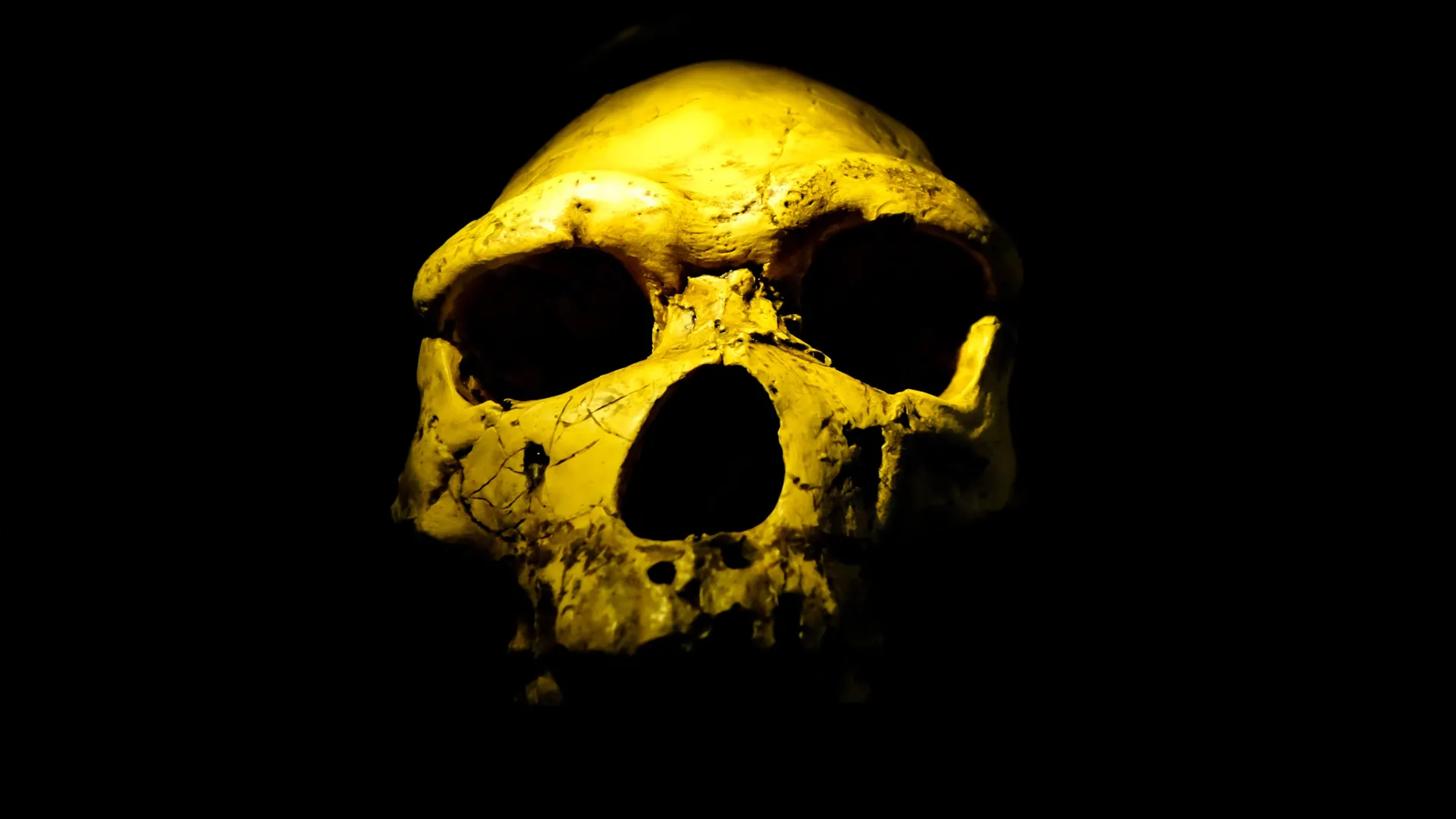
Researchers from La Trobe University and collaborating institutions have formally analyzed and described 18 previously unpublished hominin fossils recovered from Drimolen Main Quarry in South Africa’s Cradle of Humankind region. The fossils, which include remains attributed to both Homo erectus and Paranthropus robustus, were excavated from the site between its discovery in 1992 and 2019, but had remained largely unstudied until now.
The analysis revealed an adult Homo erectus specimen approximately 2.0 million years old, making it substantially older than previously known adult representatives of the species. This finding, published in Annals of Human Biology, provides the first confirmed adult fossil from Drimolen attributed to Homo erectus and extends the known presence of this species in southern Africa by approximately 200,000 years compared to earlier discoveries at other locations such as Dmanisi in Georgia. The specimen represents what researchers consider to be the earliest directly ancestral species to modern humans within the genus Homo.
The fossil collection also offers insights into how different hominin species adapted to their shared environment over time. P. robustus specimens from Drimolen, dating to approximately 2.0 million years ago, reveal a species undergoing gradual evolutionary changes. Between this period and approximately 1.8 million years ago, P. robustus developed increasingly larger teeth and enhanced chewing muscles suited for processing tough foods, while Homo erectus was simultaneously developing a larger brain and smaller molars, possibly reflecting a diet with more meat content.
The research indicates that during the earlier period, P. robustus significantly outnumbered Homo erectus at Drimolen by more than a factor of ten, despite the fact that Homo erectus would ultimately prove to be the ancestral lineage leading to modern humans. The large collection of P. robustus fossils from Drimolen has allowed researchers to document fine-scale evolutionary changes across approximately 200,000 years by comparing populations separated chronologically, providing rare detailed insight into gradual transformation of ancestral human species. The findings have led researchers to formally designate the Drimolen P. robustus population as a separate subspecies, P. robustus ukusa.
Article Attribution | Read More at Article Source
Article summary produced by Claude AI