

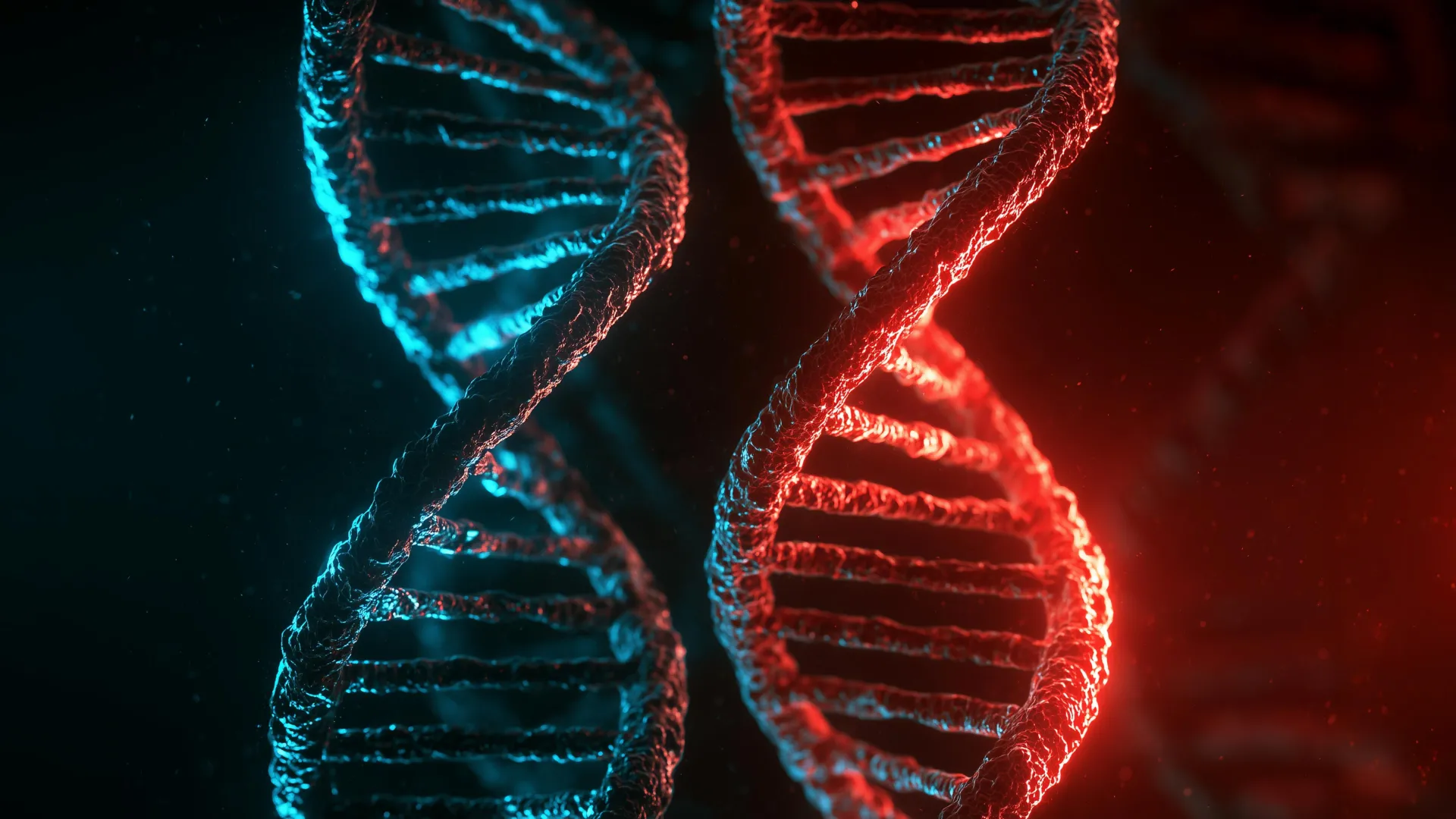
Researchers from the University of Strathclyde and Durham University have developed a proposed detection technique for “mirror life,” a theoretical form of organism constructed from molecules that are mirror-image versions of those found in terrestrial biology. The method analyzes light signals with distinct left and right-handed properties to distinguish conventional organisms from their hypothetical reversed counterparts.
While mirror life does not currently exist, some scientific experts regard its potential artificial creation as a meaningful biological safety concern. Such organisms could behave unpredictably when introduced to Earth’s ecosystems and potentially circumvent natural defenses protecting humans, animals, and plants. The probability of mirror life emerging naturally remains low, though potential consequences have motivated governments and international bodies including the UK Government Office for Science and the United Nations Secretary General’s Scientific Advisory Board to examine biosafety protocols.
The proposed detection method relies on circularly polarized luminescence (CPL), a phenomenon that reveals molecular handedness, or chirality. Light polarization patterns can indicate the three-dimensional arrangement of molecules, using a principle similar to polarized lens technology in three-dimensional cinema. The researchers propose using specialized fluorescent probes that attach to cellular structures and generate characteristic CPL signals, which could function as molecular fingerprints to identify reversed biological samples. Multiple probes targeting different cellular structures would improve detection reliability and reduce false readings.
A significant advantage of the approach is that scientists could test and refine the technique using standard biological samples without requiring mirror organisms to be created. The detection method could potentially be integrated into existing laboratory equipment including microscopes, cameras, and cell plate readers. However, the complete detection system has not yet undergone experimental demonstration, and additional research remains necessary to confirm whether the method can reliably distinguish between different forms of molecular handedness in biological samples.
Article Attribution | Read More at Article Source
Article summary produced by Claude AI