

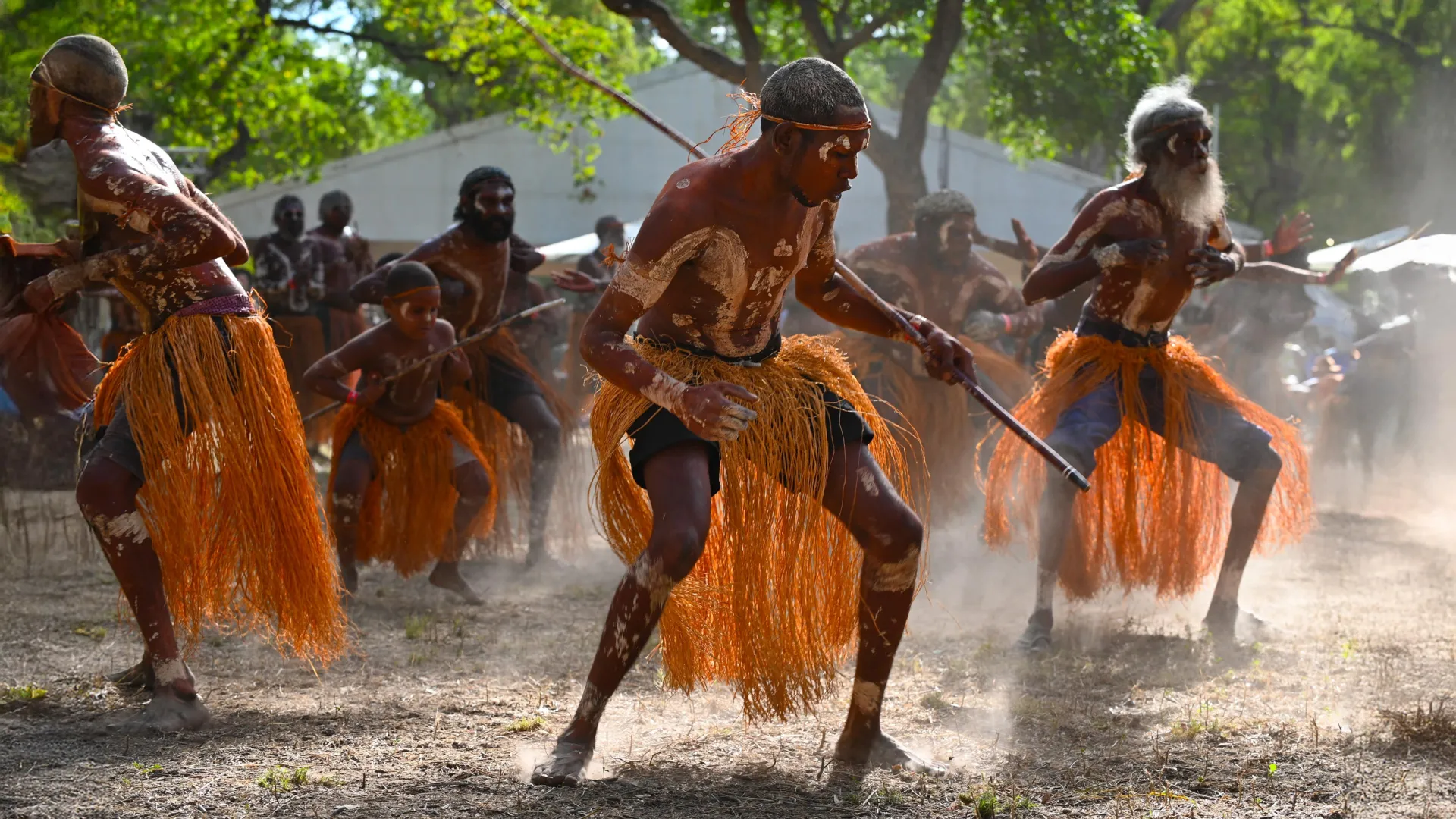
A collaborative research effort led by scientists at Australian universities has produced new population estimates for Indigenous Australians before European colonization, suggesting substantially higher numbers than previously calculated. Using computer modeling combined with archaeological evidence, genetic reconstructions, and ethnographic observations, researchers determined that approximately 2.22 million Indigenous people inhabited Australia prior to the arrival of the First Fleet in 1788. This figure represents up to seven times higher than some earlier historical estimates, which had typically ranged between 250,000 and 1 million people.
The research team, including Professor Corey Bradshaw of Flinders University and Associate Professor Alan Williams, attributes the discrepancy between earlier estimates and current findings to the substantial population losses that occurred through disease, frontier violence, and systemic oppression before the earliest census records were compiled. The influential mid-20th century estimates by anthropologist Alfred Radcliffe-Brown, which placed the pre-colonial population at approximately 250,000, did not adequately account for the cumulative impact of these devastating factors.
The revised population baseline enables researchers to quantify the demographic impact of colonization with greater precision. Between 1788 and 1861, an estimated 2.06 million excess deaths occurred, representing a 93% decline in the Indigenous population over the 73-year period. By 1861, the surviving Indigenous population had contracted to approximately 7% of its pre-colonial size, averaging roughly 28,200 excess deaths per year during this interval.
The findings carry significant implications for understanding Australian history and contemporary Indigenous communities. Researchers emphasize that the scale of demographic collapse informs discussions of intergenerational trauma, persistent disadvantage, and the development of more effective support policies. The study also demonstrates the value of employing multiple independent research methodologies when reconstructing historical population data, particularly when written records contain gaps or reflect historical biases. The research was published in Nature Human Behaviour and received support from multiple Australian Research Council funding bodies.
Article Attribution | Read More at Article Source
Article summary produced by Claude AI