

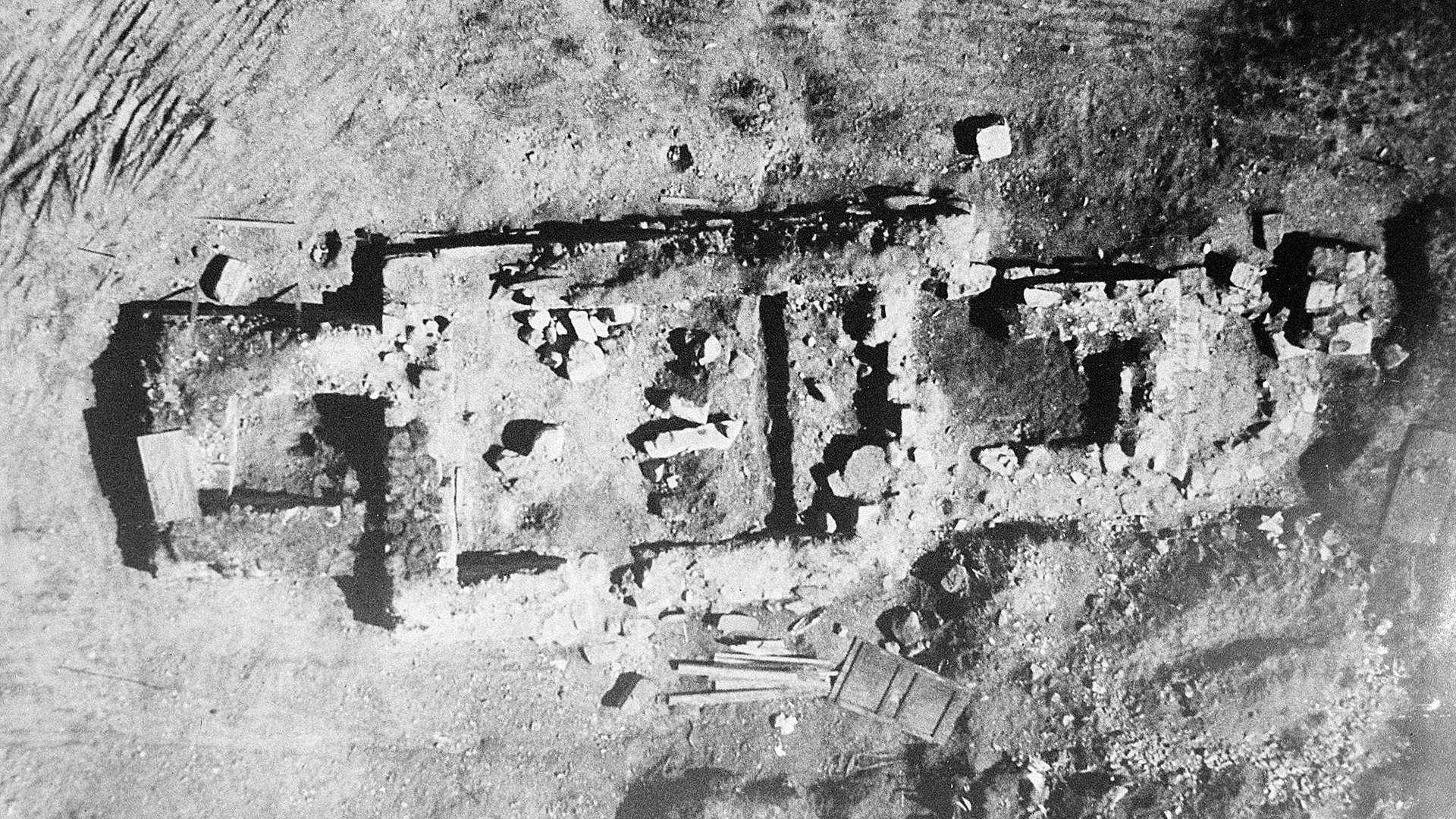
Researchers at Stockholm University conducted a genetic analysis of 142 individuals from the late Viking Age and Middle Ages, examining remains from three archaeological sites near Stockholm and in the Jämtland and Skåne regions. The study, published in Science Advances, included over 60 children and adolescents whose DNA was extracted and analyzed to determine biological relationships among people interred in shared graves.
The genetic evidence demonstrated that close biological relatives were surprisingly uncommon among individuals placed in the same grave, even in cemeteries where broader population analysis revealed numerous family connections. This finding contradicts the longstanding archaeological assumption that adults and children sharing graves typically represented parent-child relationships or other immediate family members. The research suggests that burial groupings were determined by factors beyond kinship, including social, religious, or other community-based considerations.
The DNA analysis also provided insights into childhood social structures in early Christian Scandinavia. By determining the biological sex of juvenile remains that could not be reliably sexed through skeletal analysis alone, researchers observed that children’s burial patterns matched those of adults. At one site, for instance, males and females were typically interred on opposite sides of the churchyard, and this same pattern applied to boys and girls, suggesting that gender identity held social significance from early childhood.
One particularly notable case involved a woman whose remains were recovered alongside genetic evidence linking her to her parents, brother, and two daughters buried elsewhere in the same cemetery. Grave goods including a scallop shell suggest she may have undertaken a pilgrimage to Santiago de Compostela in Spain, indicating mobility and connections extending far beyond her local region. These combined findings demonstrate how ancient DNA analysis, integrated with archaeological context, can illuminate medieval social organization, religious practices, and interpersonal relationships.
Article Attribution | Read More at Article Source
Article summary produced by Claude AI