

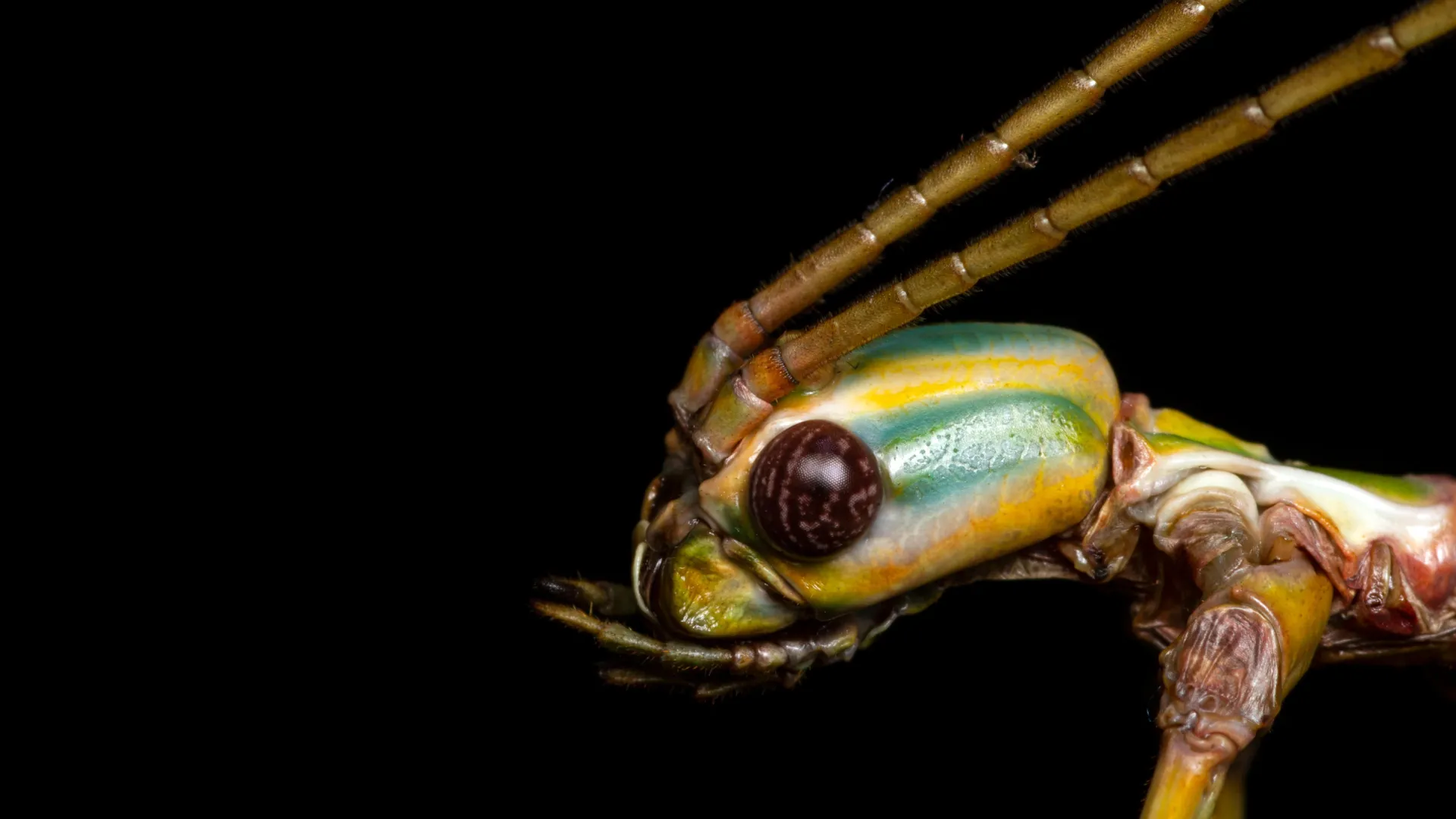
A research team from the University of Sydney has identified two new species of large stick insects from the genus Anchiale in Australia, along with restoring recognition of a third species that had been overlooked for decades. The discoveries were made through a comprehensive reexamination of Australian specimens, which revealed that insects previously classified as belonging to just two species actually represent five separate species distributed from northern New South Wales along the Queensland coast into tropical northern Australia.
The findings are particularly notable given the extensive existing knowledge about Australian stick insects. Over 1,000 citizen science observations have been documented through platforms such as iNaturalist and the Atlas of Living Australia, and these insects have been the subject of scientific study for many years. Despite this substantial baseline of information, the research demonstrates that significant gaps remain in understanding Australia’s insect diversity.
One of the study’s most surprising results involved a large stick insect that had been familiar to both scientists and insect enthusiasts for years. Through a combination of DNA analysis, examination of museum specimens, field surveys, citizen science data, and captive insect studies, researchers determined that the insect had been misidentified for decades and is now recognized as the distinct species Anchiale robusta. Another newly described species, Anchiale mabiensis, was found in Queensland’s critically endangered Mabi rainforest on the Atherton Tablelands and produces eggs featuring an unusual structural lid not previously documented in stick insects or their closest relatives.
Beyond advancing taxonomic knowledge, the revised classification may have practical applications for forestry and agriculture. One stick insect species known for occasionally reaching plague proportions and defoliating trees was found to actually represent multiple species, which could help researchers and land managers better understand and address future impacts on forests and agricultural areas. The research was supported by the Australian Biological Resources Study and a CSIRO postgraduate scholarship, among other sources.
Article Attribution | Read More at Article Source
Article summary produced by Claude AI