

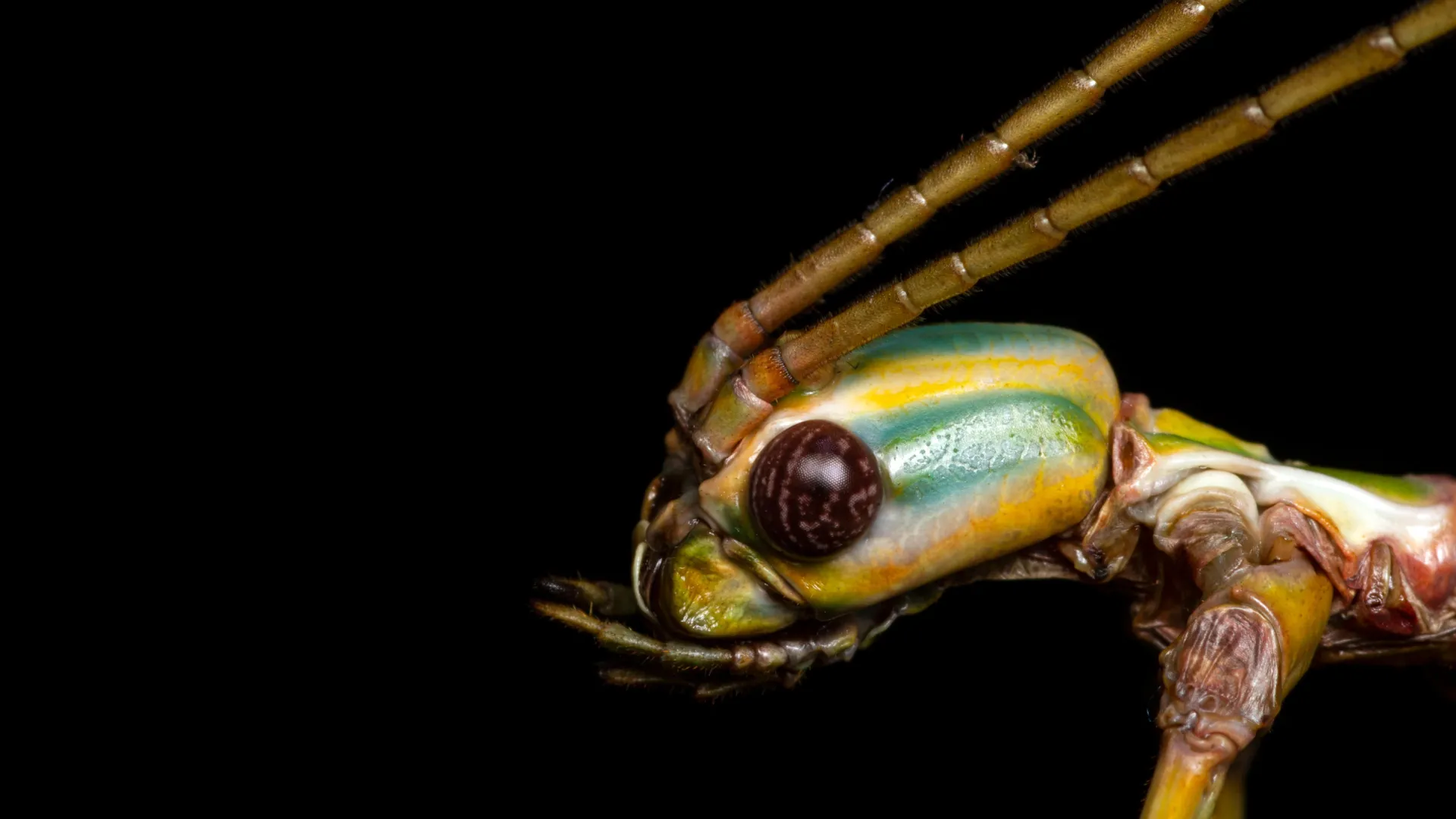
Researchers from the University of Sydney have identified two previously unrecognized species of large stick insects in Australia, demonstrating that biodiversity discoveries continue to emerge from well-documented regions. The team reexamined members of the stick insect genus Anchiale and found that insects previously classified into two species actually represent five distinct species distributed from northern New South Wales along coastal Queensland and into tropical northern Australia.
The research combined multiple methodologies including DNA analysis, examination of museum specimens, field surveys, citizen science observations from platforms such as iNaturalist and the Atlas of Living Australia, and studies of insects maintained in captivity. One significant finding involved reclassifying a large stick insect that had been misidentified by both scientists and enthusiasts for many years; it is now recognized as the separate species Anchiale robusta. The team also formally described Anchiale mabiensis, a previously unknown species found in Queensland’s critically endangered Mabi rainforest on the Atherton Tablelands, which produces eggs featuring an unusual lidlike structure not previously documented in stick insects or their closest relatives.
Dr. Braxton Jones, lead author and Postdoctoral Research Associate at the Molecular Ecology, Evolution and Phylogenomics Laboratory, noted that the discoveries illustrate how much remains unknown about Australian insect biodiversity despite decades of scientific study and thousands of citizen observations. The revised classification carries practical implications as well; one species known for occasionally reaching plague-like population levels and damaging trees was found to encompass multiple distinct species. Distinguishing between these species could assist researchers and land managers in understanding and managing future impacts on forestry and agriculture. Researchers also identified a possible additional undescribed species from Cape York but indicated additional specimens are needed for formal confirmation. The findings were published in Austral Entomology.
Article Attribution | Read More at Article Source
Article summary produced by Claude AI