

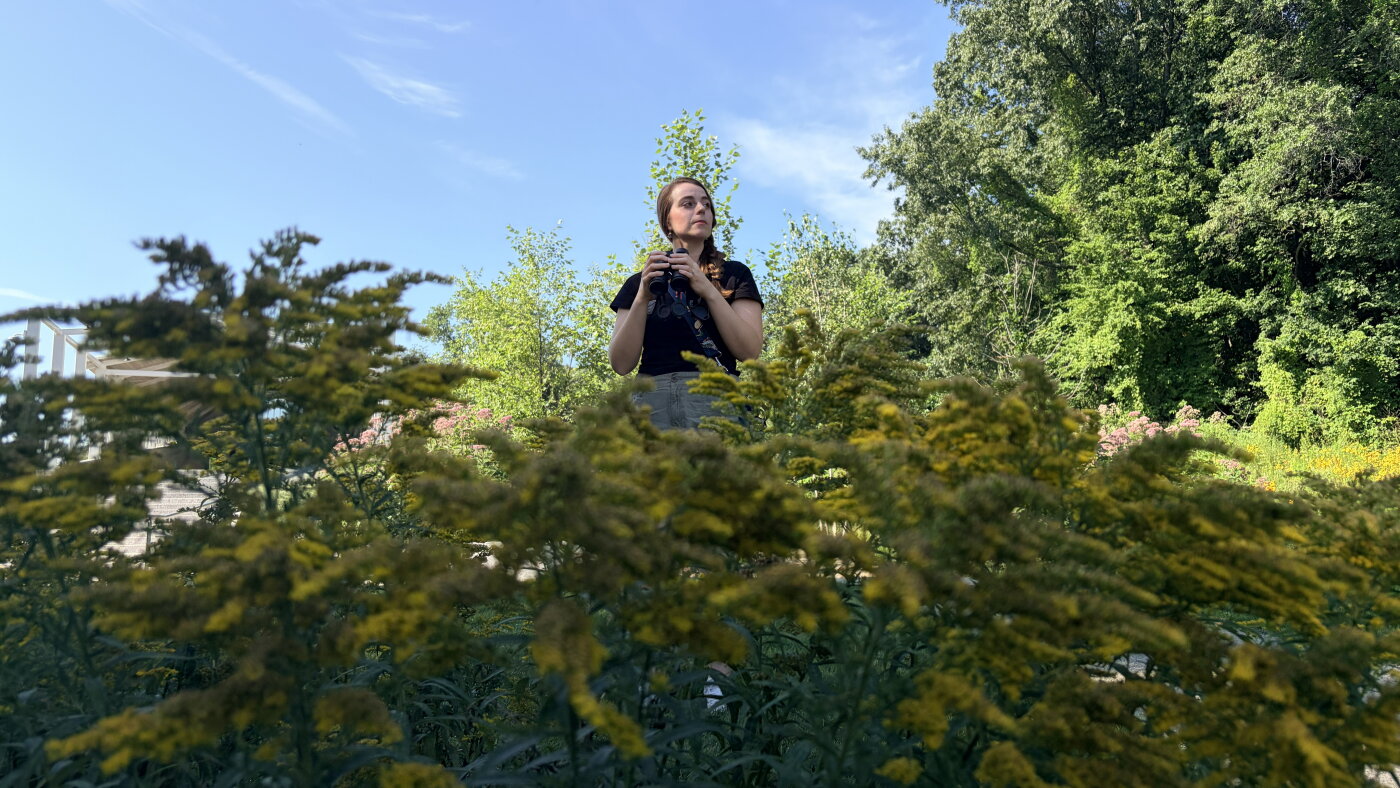
Researchers at multiple institutions are investigating the effects of wildfire smoke on bird populations in regions far from the actual fires. Olivia Sanderfoot, a global change ecologist at Cornell University, is spearheading efforts to establish smoke ecology as a formal field of study, driven by observations that smoke from distant wildfires can travel hundreds to thousands of miles and create environmental disturbances across broad geographic areas.
Sanderfoot’s interest in the topic began in 2018 while living in Seattle, when smoke from Eastern Washington wildfires blanketed the city. She noticed a recurrence of the phenomenon and began questioning what impact such events had on wildlife. Previous knowledge about smoke’s effects on animals was limited, with only anecdotal reports such as the absence of birdsong or birds appearing in residential areas appearing hungry and thirsty. Sanderfoot recognized that understanding smoke ecology required expertise across multiple scientific disciplines, including atmospheric chemistry, conservation biology, and ecophysiology.
Birds are particularly vulnerable to smoke due to their unique respiratory system. Unlike humans with soft, flexible lungs, birds possess rigid lungs surrounded by air sacs that function as bellows, continuously pushing air through their respiratory system. This adaptation allows birds to extract approximately twice as much oxygen per breath as humans do, but it simultaneously makes them more susceptible to harmful substances in the air. Additionally, smoke disrupts the environmental cues that birds rely on for navigation and normal behavior.
Researchers face significant challenges in studying smoke’s effects because its presence is unpredictable and highly variable, appearing and disappearing within hours or days. Scientists cannot ethically expose animals to smoke intentionally for research purposes. To gather data, researchers collaborate with networks of amateur birders, professional conservationists, and ornithologists across the country who collect observations when smoke events occur naturally. This collaborative approach allows scientists to accumulate information about smoke’s impacts as it happens in real-world conditions rather than in controlled laboratory settings.
Article Attribution | Read More at Article Source
Article summary produced by Claude AI