

Researchers have documented a significant archaeological site at Uruq al-Julaybah in southern Saudi Arabia that provides insights into human habitation and environmental conditions approximately 125,000 years ago. The discovery was announced by the Saudi Heritage Commission following a collaborative investigation involving King Abdullah University of Science and Technology, Griffith University, and international specialists. The research, published in Science, examined a period known as Green Arabia, when the region experienced warmer and more humid conditions distinct from its current arid landscape.
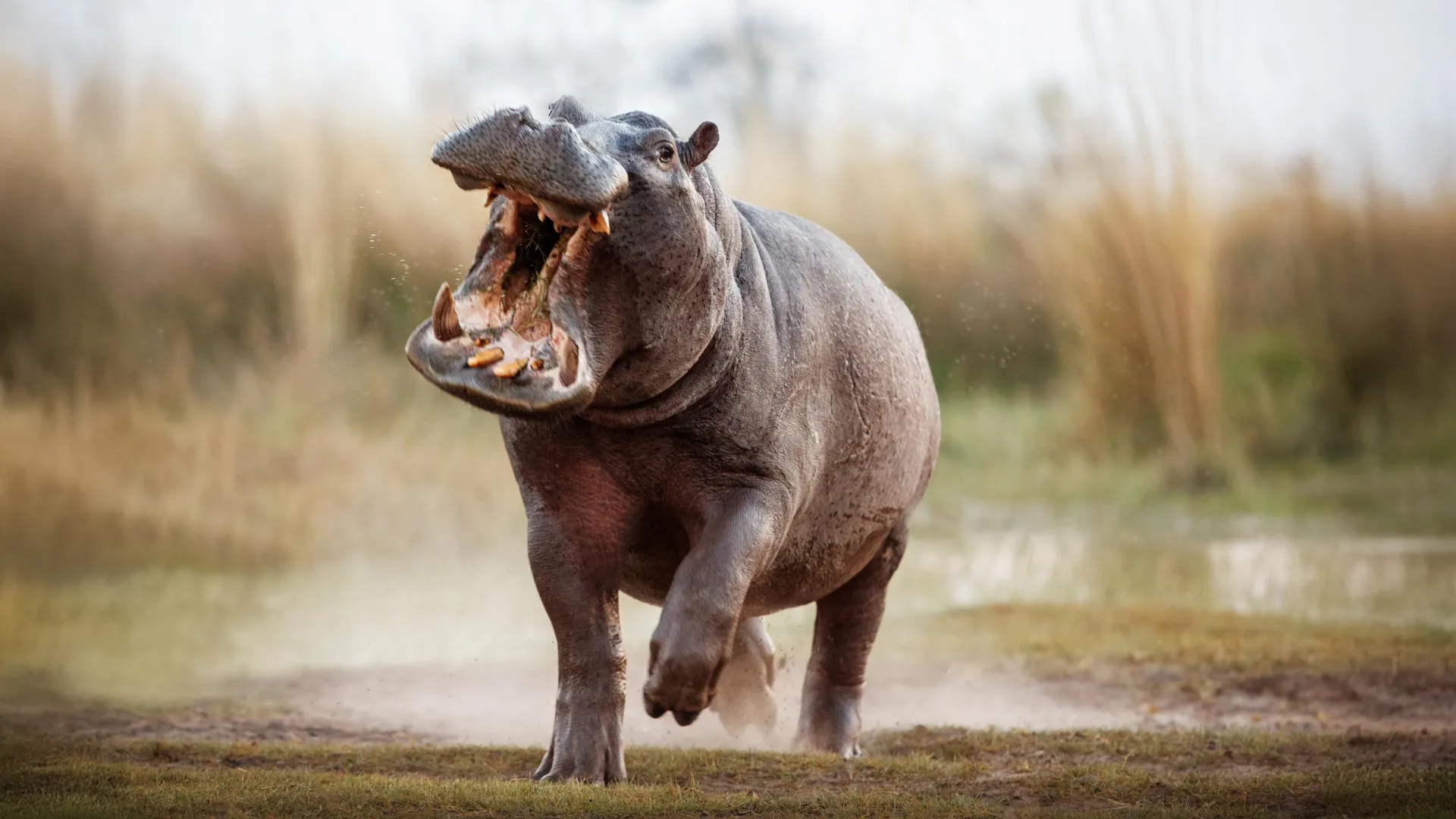
Using satellite-based terrain modeling, scientists reconstructed an ancient freshwater lake spanning roughly 340 square kilometers with depths reaching up to 29 meters. The lake was bordered by open grasslands and vegetation, creating conditions that supported diverse animal populations. Researchers identified over 500 plant and animal fossil specimens across more than 130 locations, documenting species such as hippopotamuses, camels, Arabian oryx, gazelles, ostriches, and extinct long-horned buffalo. These remains indicate a rich ecosystem substantially different from the desert environment present in the region today.
Archaeological excavations yielded 5,511 stone tools exceeding 2 centimeters in length, with over 98 percent crafted from flint using Levallois techniques. Detailed analysis of tool surfaces and residues revealed evidence of plant processing and tool use, with traces suggesting multiple applications. Researchers identified residues from various vegetation types on stone tools, some containing toxic compounds, along with evidence of resin and woody material that may have been used to attach stone tips to handles or shafts. These findings tentatively suggest early use of poisonous plant compounds in hunting technology, potentially among the earliest such evidence documented in Saudi Arabia.
The site’s significance derives from the concurrent preservation of animal fossils, manufactured tools, and plant remains within a single dated archaeological context. This combination allowed researchers to construct a comprehensive understanding of human behavior and environmental conditions. The evidence indicates that early populations occupying the ancient lake’s shores engaged in diverse activities including tool manufacturing, hunting equipment preparation, and resource processing. The findings contribute to broader understanding of how early humans adapted to and exploited available resources while moving across the Arabian Peninsula during prehistoric periods.
Article Attribution | Read More at Article Source
Article summary produced by Claude AI