

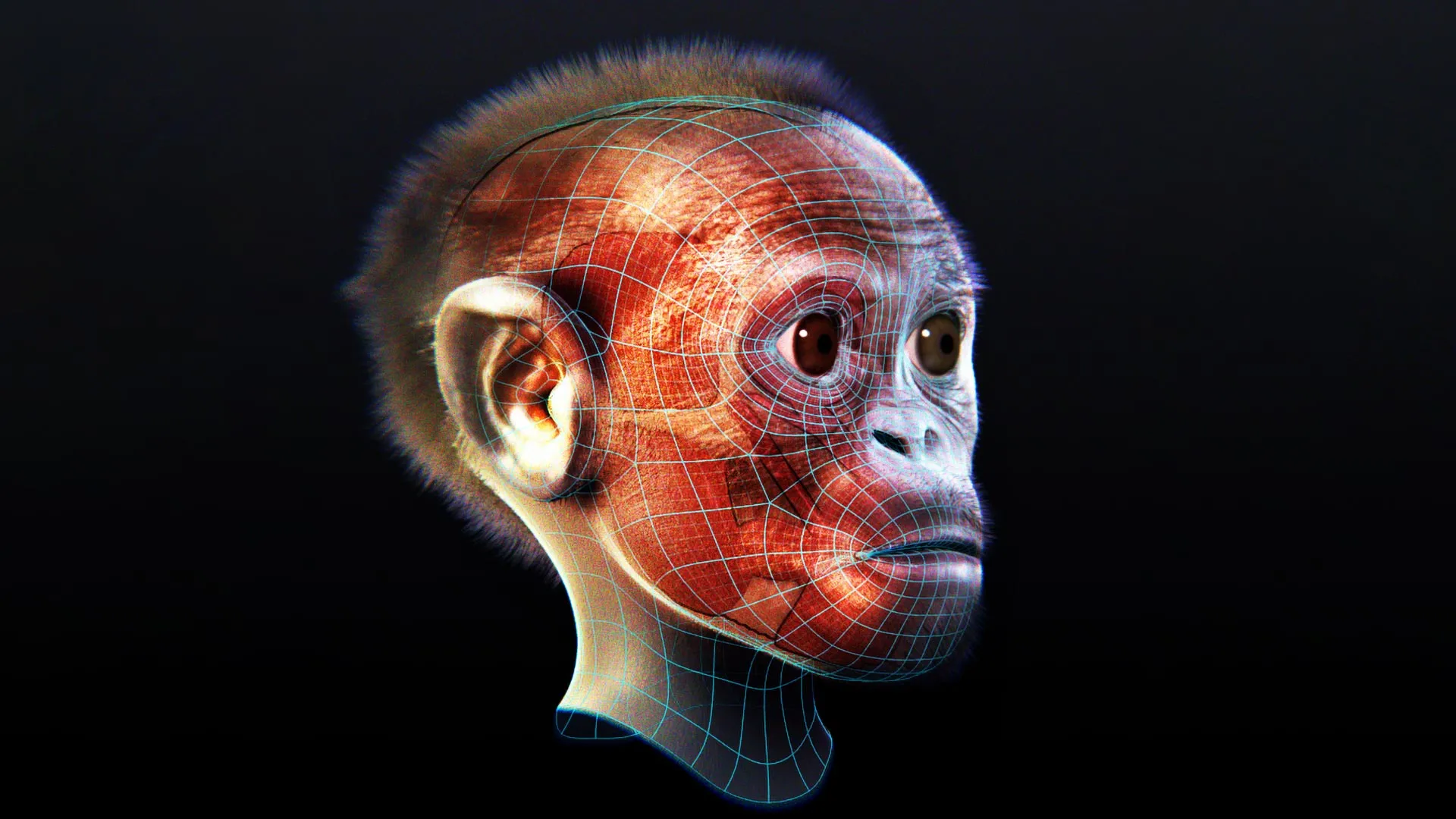
An international research team led by Professor Gabriele Macho at Vrije Universiteit Brussel has published new findings in Nature regarding the famous Taung Child fossil, initially discovered in South Africa in 1924. The study dates the ancient remains to between 2.96 and 3.03 million years ago and challenges long-held assumptions about how early human ancestors evolved and related to one another.
The Taung Child became historically significant as the first concrete evidence supporting the African origins of humanity and served as the original specimen defining the species Australopithecus africanus. However, scientists had never established definitive criteria for assigning other fossil discoveries to this species classification, making the Taung Child the only fossil that could be identified with certainty as belonging to that species. The new research examined tooth structure and patterns of brain and dental development across multiple fossils, revealing that several adult specimens previously classified as Australopithecus africanus exhibited developmental patterns distinctly different from those of the Taung Child.
The differences in brain development were particularly significant, suggesting that fossils traditionally grouped into a single species may actually represent several distinct hominin species that inhabited the Sterkfontein region either simultaneously or during different periods. These findings indicate that the human family tree was not a simple, linear progression but rather a complex network of multiple populations evolving along different paths.
Researchers attribute much of this evolutionary diversity to environmental shifts. Millions of years ago, southern Africa experienced repeated climate changes between wetter and drier conditions, transforming available habitats. These environmental fluctuations caused ancient populations to migrate, become geographically isolated, and evolve separately, while also creating opportunities for different groups to reunite and interbreed. Evidence from fossilized pollen indicates that the region where the Taung Child lived was once considerably wetter and more heavily forested than today.
The study suggests that early human evolution was driven by this dynamic interplay of geography, climate, and population movement, fundamentally reshaping scientific understanding of human origins more than a century after the Taung Child’s initial discovery.
Article Attribution | Read More at Article Source
Article summary produced by Claude AI