

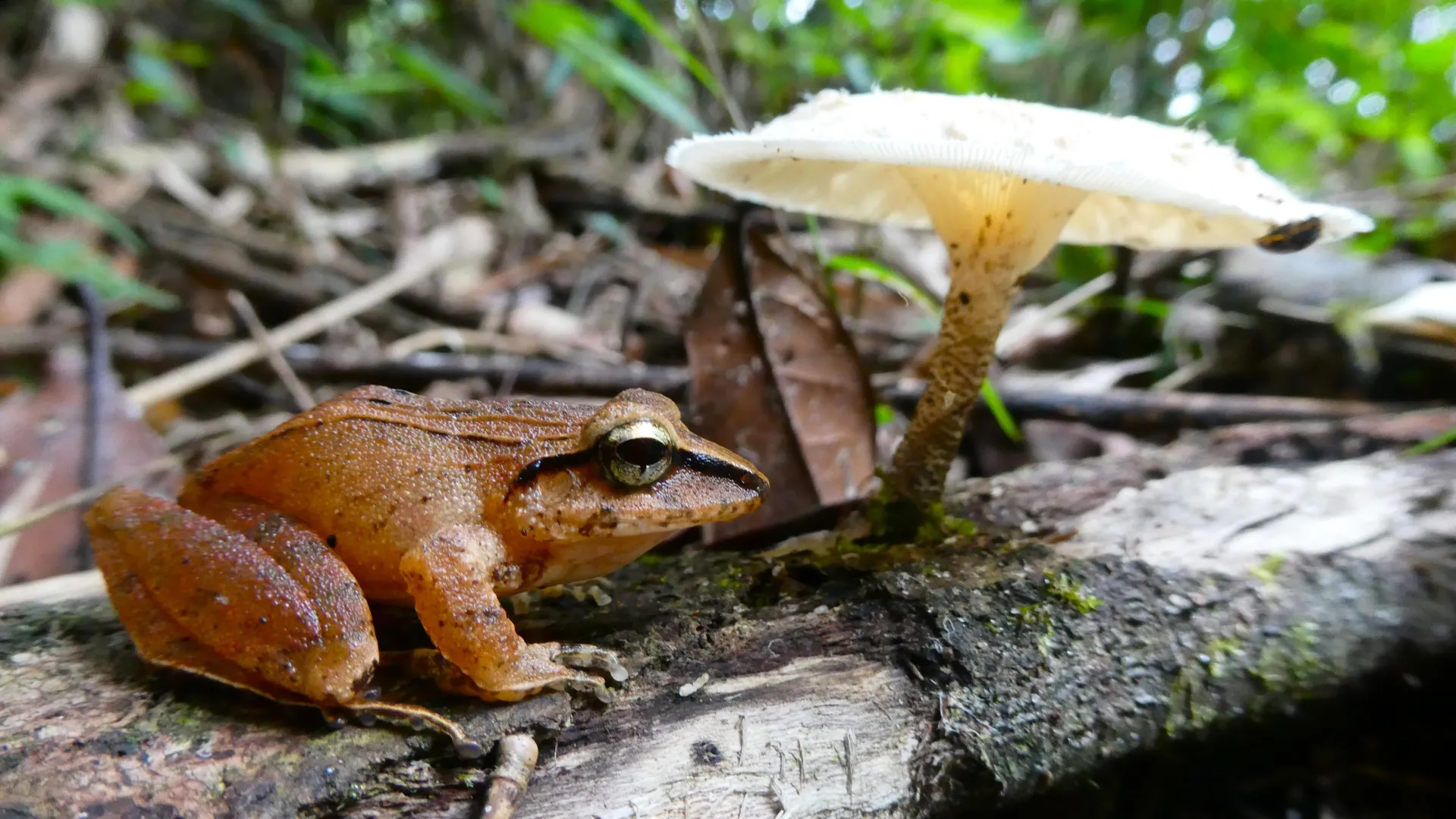
Researchers have traced the cause of dramatic amphibian population declines in Brazil’s Atlantic Forest to chytridiomycosis, a fungal disease caused by the microscopic fungus Batrachochytrium dendrobatidis. The investigation was conducted by scientists from the Smithsonian’s National Zoo and Conservation Biology Institute and Pennsylvania State University, with findings published in Molecular Ecology. The disease is believed to have originated in Asia and spread globally during the 1970s and 1980s, though it was not formally identified until 1999, long after widespread amphibian populations had already collapsed.
The specific case examined involved the Boracéia Biological Station in Brazil, where amphibian populations experienced severe declines between 1979 and 1982. Researchers analyzed preserved specimens from museum collections gathered by William Ronald Heyer during five expeditions spanning the 1970s and 1980s. By testing more than 370 preserved amphibians representing 17 species, scientists found that none of the specimens collected before 1979 showed evidence of chytrid infection, while more than half of those collected during the 1980s tested positive for the fungus.
The research revealed a complex pattern in how different species responded to the pathogen. Species that suffered the most severe population declines showed no detectable signs of infection in preserved specimens, while species whose populations remained relatively stable frequently carried the fungus. Scientists attribute this to varying levels of natural tolerance across species; some frogs may have been able to survive infection, while more vulnerable species likely died before infected individuals could be collected for preservation.
Despite the historical devastation, recent field surveys conducted between 2022 and 2024 documented signs of recovery at Boracéia. Of the 17 species represented in historical collections, researchers located 12 during modern surveys, though five species could not be found, raising concerns about potential local extinction. The findings underscore the scientific value of museum collections in investigating historical disease outbreaks and informing responses to future pathogenic threats.
Article Attribution | Read More at Article Source
Article summary produced by Claude AI