

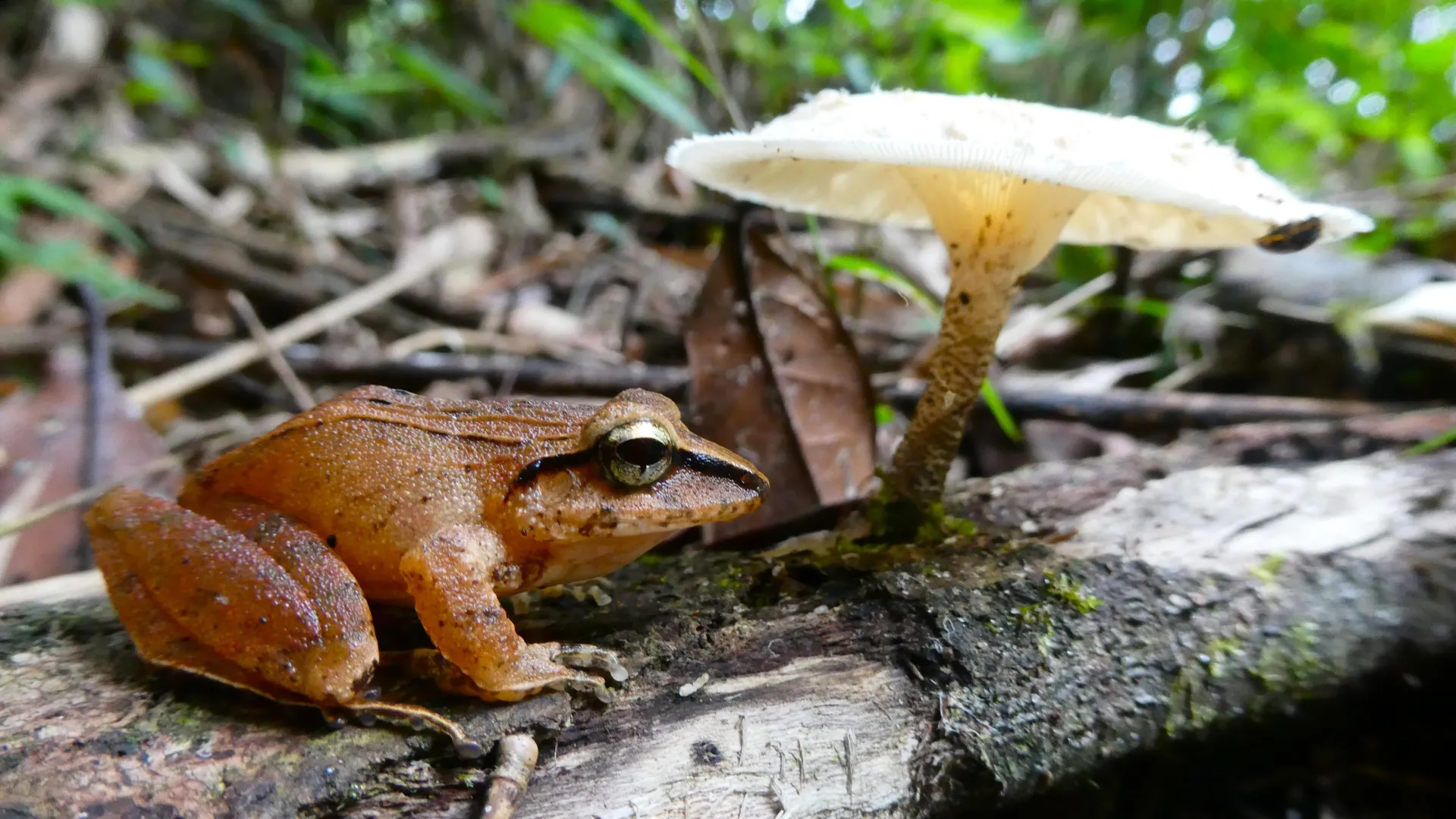
Researchers from the Smithsonian’s National Zoo and Conservation Biology Institute and Pennsylvania State University have determined that chytridiomycosis, a disease caused by the fungus Batrachochytrium dendrobatidis, likely triggered severe amphibian population declines in Brazil’s Atlantic Forest. The fungus originated in Asia and spread globally during the 1970s and 1980s, but was not formally identified until 1999, long after devastating declines had already begun. This timing gap made it difficult for scientists to attribute historical die-offs to the pathogen.
The research focused on the Boracéia Biological Station, where frog populations experienced sharp declines between 1979 and 1982. Scientists had previously attributed these losses to climate change or extreme weather events. To investigate, researchers examined preserved specimens from museum collections gathered during five expeditions by former amphibian curator William Ronald Heyer, including surveys before and after the major population collapses. By testing samples from more than 370 preserved amphibians representing 17 species, the team could track the fungus’s arrival and spread.
The analysis revealed no evidence of chytrid infection in specimens collected before 1979. However, more than half of specimens from the 1980s tested positive, indicating the pathogen arrived and spread rapidly during the period of population collapse. Notably, species that suffered the most severe declines showed fewer signs of infection in preserved samples, while more stable populations frequently carried the fungus. Researchers attribute this pattern to differences in disease tolerance among species, with some frogs naturally able to withstand infection while others died so quickly that infected individuals were rarely captured.
The findings underscore the scientific value of historical museum collections in understanding past disease outbreaks. Modern testing methods have made it possible to detect pathogens in decades-old specimens that researchers could not have identified at the time. The research may also help scientists anticipate and respond more effectively to emerging threats, such as another fungal pathogen, B. salamandrivorans, threatening salamander populations in Europe and potentially North America.
Surveys conducted between 2022 and 2024 indicate some recovery, with researchers locating 12 of the 17 species documented in historical collections. The remaining five species were not found during recent surveys, leaving questions about their current status at the site.
Article Attribution | Read More at Article Source
Article summary produced by Claude AI