

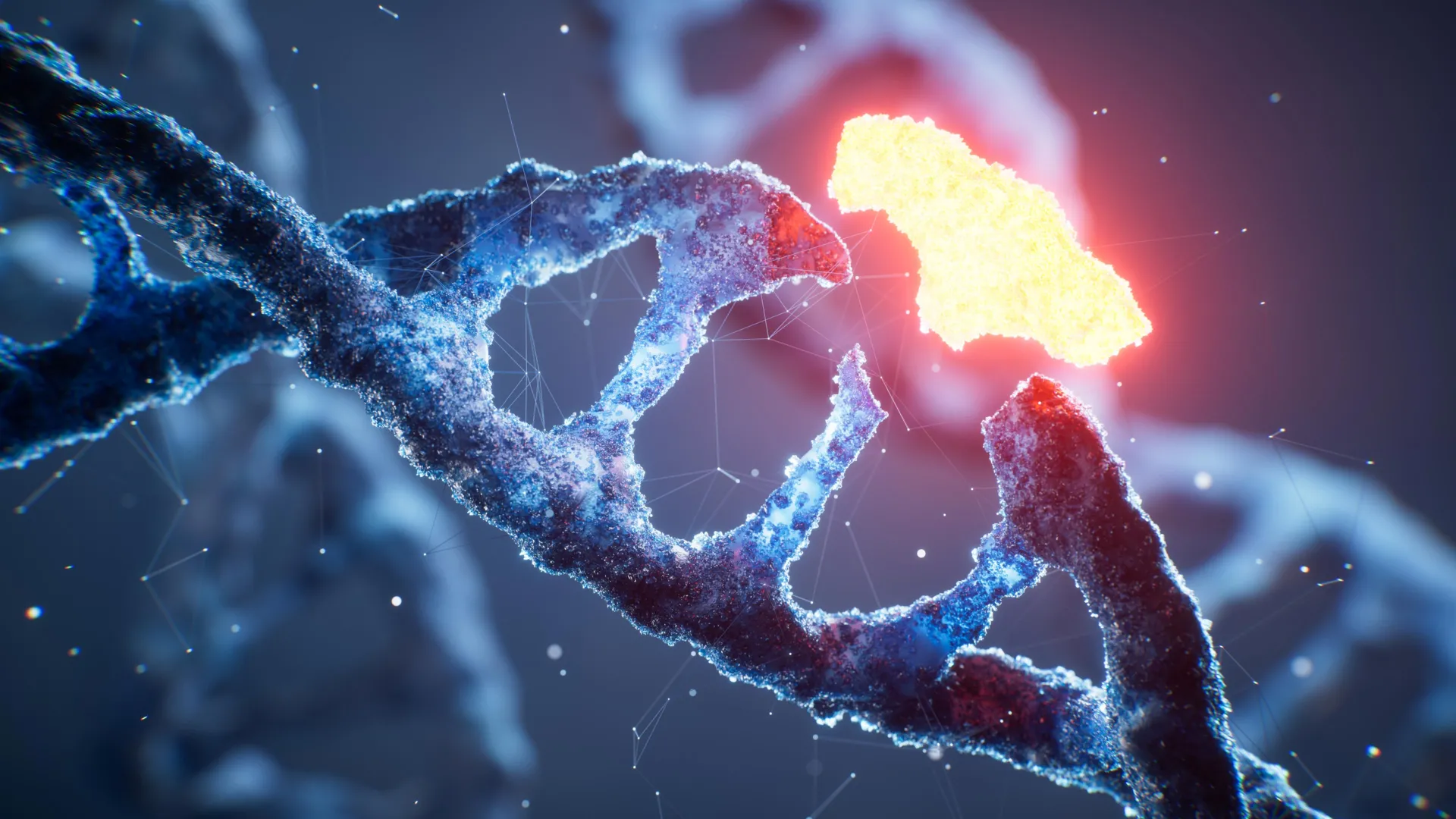
Scientists at the University of Bath have published findings that call into question a half-century-old hypothesis about how organisms evolve genetic protection for their most critical genes. The theory, introduced in 1972, proposed that natural selection could favor mechanisms reducing mutation rates in genes essential for survival. Dr. Sofia Radrizzani and Professor Laurence D Hurst analyzed the largest collection of spontaneous genetic mutations assembled to date, focusing on the bacterium E. coli and baker’s yeast, to test whether this protective mechanism actually exists.
The conventional understanding of evolution involves two key mechanisms: genetic mutations introduce variation among organisms, and natural selection determines which variations persist. However, the alternative hypothesis suggested that organisms might have evolved ways to shield critical genes from mutations while allowing higher mutation rates in genes where changes could provide adaptive advantages. This idea seemed intuitive—protecting genes involved in DNA replication or basic cellular functions from harmful changes would appear beneficial. Yet researchers noted a fundamental problem: individual gene mutations are already rare, so reducing those rates further would provide minimal advantage to natural selection.
An additional complication involves how previous studies measured mutations. Researchers observed that essential genes might appear to mutate less frequently not because they are inherently protected, but because harmful mutations occurring in those genes are rapidly eliminated from populations through natural selection. These disappearing mutations—termed “ghost mutations” by Professor Hurst—could create an optical illusion of genetic stability in important genes.
To address these concerns directly, the University of Bath team examined data from mutation accumulation studies designed to record genetic changes while minimizing natural selection’s filtering effects. They conducted three independent tests to check for potential bias and found none. Their analysis revealed no relationship between gene importance and mutation frequency in either organism tested. Additional investigations considering protein abundance and evolutionary patterns over thousands of years also failed to support the protective hypothesis.
The findings do not suggest all genes mutate identically. Instead, the researchers identified structural features of genomes and DNA replication patterns as genuine factors influencing mutation frequency, such as genes replicated later during the copying process accumulating changes more readily than those copied earlier. The study challenges what Dr. Radrizzani characterized as “a triumph of hype over substance” regarding mutation protection in essential genes.
Article Attribution | Read More at Article Source
Article summary produced by Claude AI