

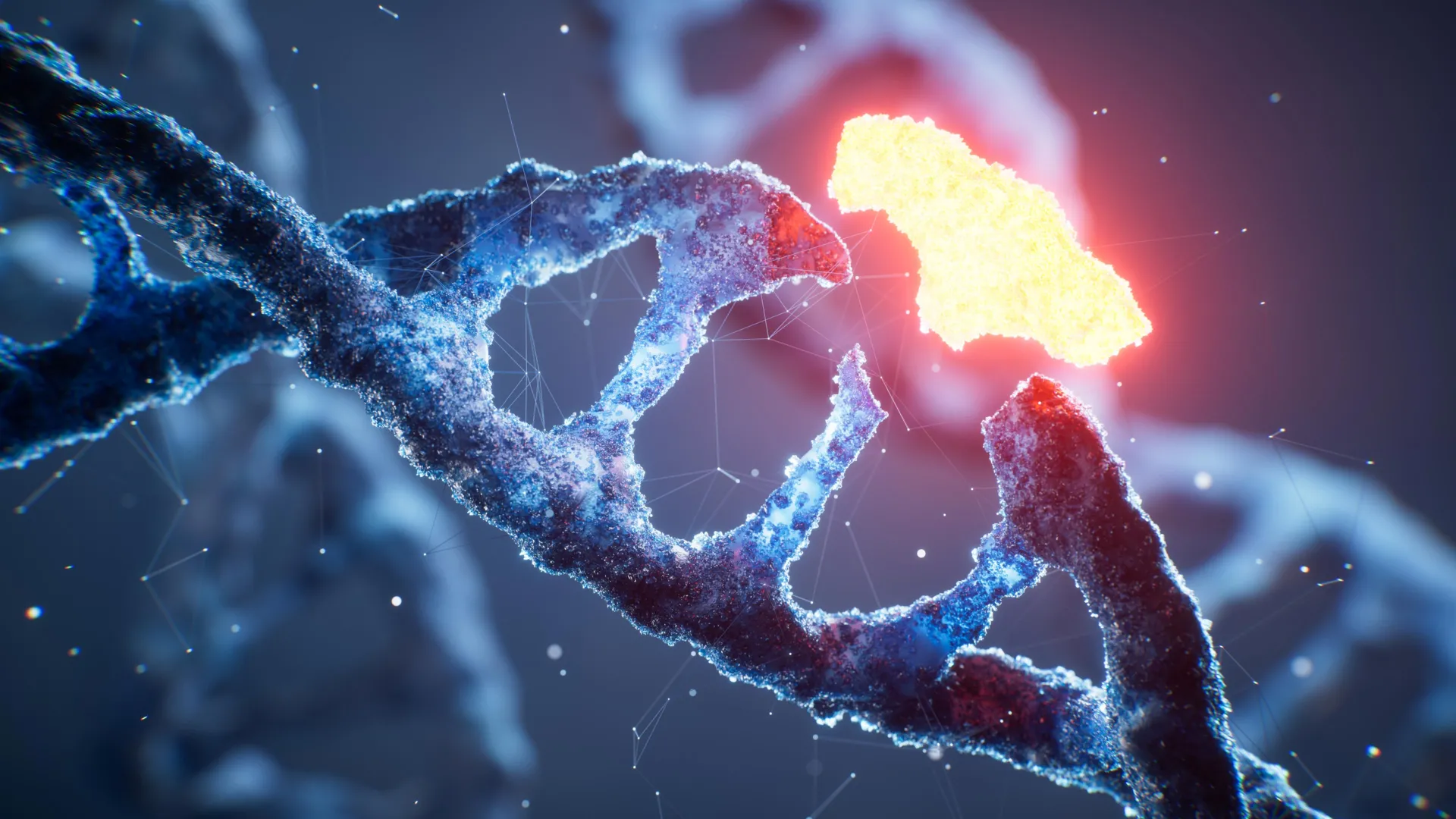
Scientists have long debated whether organisms have evolved mechanisms to reduce mutation rates in genes critical for survival, a hypothesis first introduced in 1972. This theory proposes that natural selection would favor mechanisms protecting essential genes from harmful mutations, while allowing higher mutation rates in genes where changes might provide adaptive advantages. However, new research from the University of Bath challenges the supporting evidence for this idea. Dr. Sofia Radrizzani and Professor Laurence D Hurst examined the largest collection of spontaneous genetic mutations recorded to date, focusing on the bacterium E. coli and baker’s yeast.
A central difficulty with the protective mutation hypothesis lies in understanding how natural selection operates at the genetic level. While mutations in essential genes can be catastrophic for organisms, individual gene mutations are already relatively rare events. Reducing mutation rates even further would provide minimal additional benefit, making it unlikely that natural selection would favor such protective systems. Additionally, earlier research may have created a misleading picture by conflating the actual occurrence of mutations with their persistence in populations. Mutations in important genes may appear less frequent simply because harmful changes are quickly eliminated by natural selection, a phenomenon researchers describe as “ghost mutations” that disappear before analysis.
To test the hypothesis more rigorously, the University of Bath team analyzed data from mutation accumulation studies designed to minimize the filtering effects of natural selection. These experiments allowed researchers to track genetic changes in both microorganisms without the usual selective pressures that might obscure the true mutation rate. The team performed multiple independent tests to check whether natural selection had distorted their dataset, finding no evidence of substantial bias.
Their analysis revealed no consistent relationship between gene importance and mutation rate in either organism studied. Genes essential for cell survival showed no lower mutation rates than less critical genes. The researchers also examined whether other measures of gene importance, such as protein abundance or evolutionary constraints, could explain differences in mutation frequency. None of these factors predicted lower mutation rates in essential genes. While the study found that some genome features influence mutation rates—such as the timing of DNA replication—these structural factors rather than protective mechanisms appear to determine mutation frequency across genes.
Article Attribution | Read More at Article Source
Article summary produced by Claude AI