

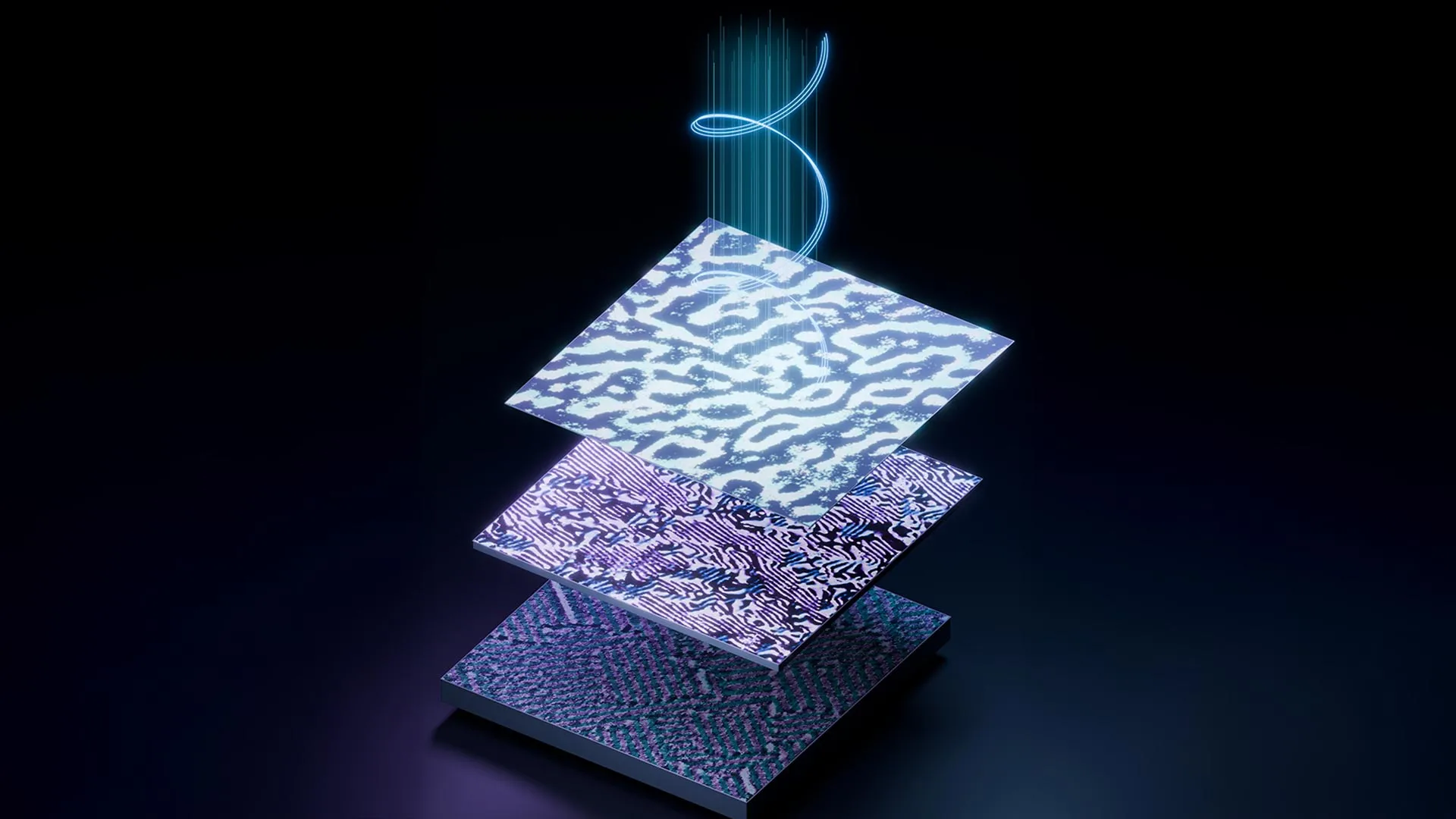
Scientists at Brown University have demonstrated a breakthrough in materials science that could substantially lower the energy consumption of computer chips, particularly those used for artificial intelligence applications. The advancement centers on multiferroic materials, which possess both electrical and magnetic properties that can be controlled through minimal electrical voltages.
A significant challenge has long hindered the practical application of these materials in modern electronics. When multiferroic substances are made sufficiently thin for integration into computer chips, they typically lose the electrical and magnetic characteristics that make them valuable. Researchers have referred to this phenomenon as the dead layer effect. This limitation has prevented the widespread adoption of multiferroics in conventional computing devices despite their theoretical advantages.
The Brown University team, led by assistant professor Lucas Caretta, has developed a novel technique to address this obstacle. Their method successfully produces ultrathin films of bismuth ferrite, a multiferroic material that has been extensively studied, while maintaining its essential properties. The process involves depositing the material onto a foundation of dysprosium scandate, which has a slightly smaller crystal structure that places the bismuth ferrite under compression. Additionally, the researchers incorporated a metallic layer designed to counteract unwanted electric fields. These modifications enable the bismuth ferrite to function effectively at thicknesses of just a few angstroms.
Notably, the engineered structure produced an unexpected benefit. The thin films exhibited altermagnetism, a form of magnetism combining favorable characteristics of ferromagnetism and antiferromagnetism. This newly induced magnetic behavior offers potential advantages for computer components, including faster operation speeds, greater density of integration on chips, and strong electrical signals suitable for readout. According to Caretta, this combination represents attributes that neither conventional magnetic state alone can provide.
The findings, published in Nature Materials, suggest a path toward more energy-efficient computing hardware as artificial intelligence systems continue to increase power demands. While commercial implementation requires further development, the research demonstrates that established materials limitations can be surmounted through careful engineering of atomic structures.
Article Attribution | Read More at Article Source
Article summary produced by Claude AI