

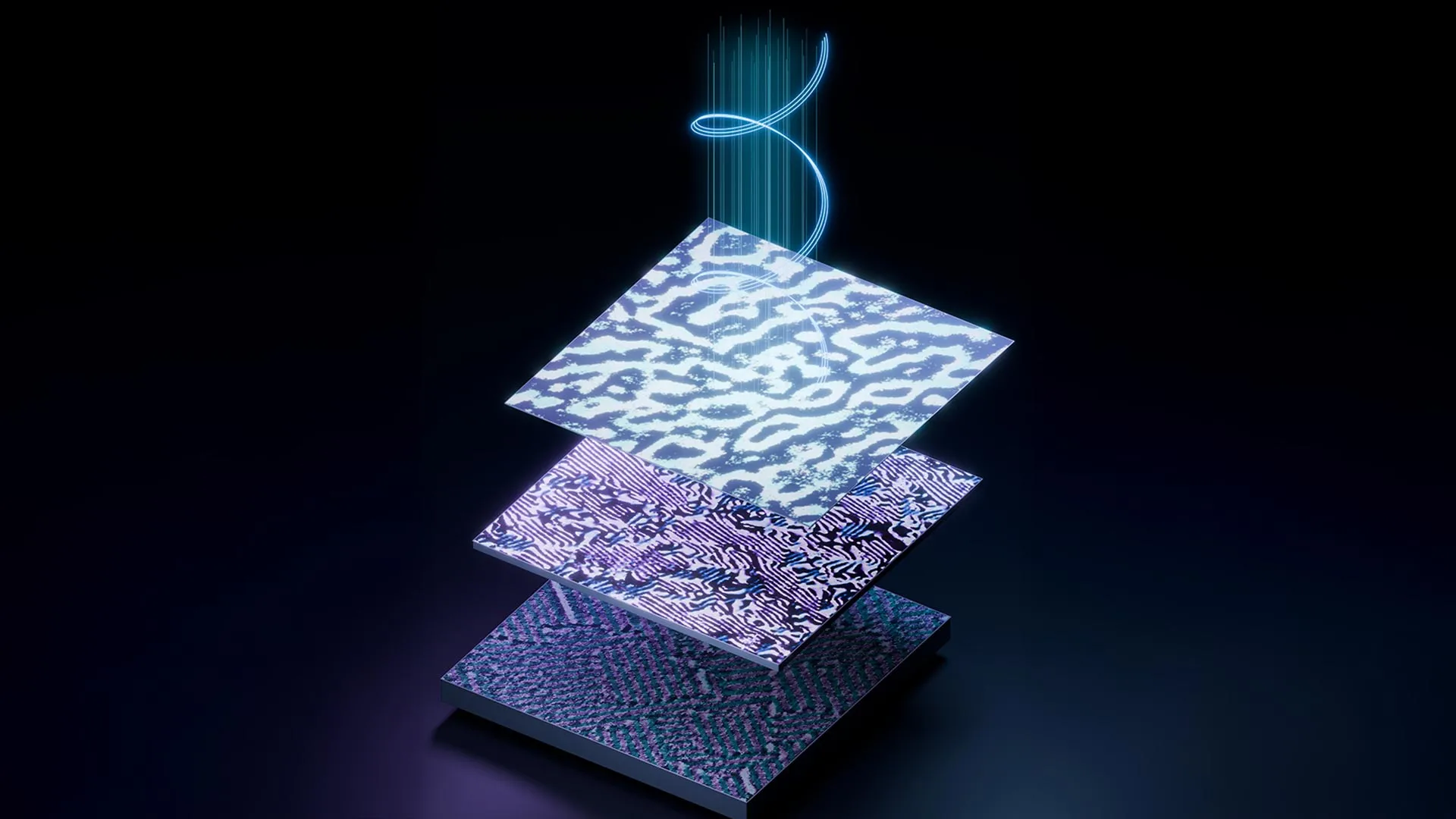
Scientists at Brown University have developed a technique to address a longstanding limitation in multiferroic materials, a class of substances that combine electrical and magnetic properties controllable through small voltages. The breakthrough could enable the development of significantly more energy-efficient computer chips, particularly important as artificial intelligence systems drive increasing demand for computational power.
Multiferroic materials have long been considered promising for computing applications because their linked electrical and magnetic properties allow information to be stored using minimal electricity. However, when refined to the thin dimensions required for modern computer chips, these materials typically lose their essential functional properties—a phenomenon known as the dead layer effect. This has prevented their practical integration into conventional electronics despite their theoretical advantages.
The Brown University research team, led by assistant professor Lucas Caretta, produced exceptionally thin films of bismuth ferrite without sacrificing its multiferroic qualities. The method involved depositing the material onto dysprosium scandate, a rare earth compound whose crystalline structure creates compression that preserves the atomic arrangement necessary for the material’s properties. The researchers also incorporated an additional metallic layer to counteract electric fields that typically disrupt the material’s electrical polarization. These modifications allow bismuth ferrite to function effectively at dimensions as small as a few angstroms.
Beyond simply preserving existing capabilities, the engineered approach induced an unexpected magnetic behavior called altermagnetism. This form of magnetism combines advantageous characteristics from two conventional magnetic states—ferromagnetism and antiferromagnetism—potentially offering speed, compact integration, and strong readable signals simultaneously. According to Caretta, this combination addresses limitations inherent in current magnetic materials used for computing.
The findings, published in Nature Materials, demonstrate that the dead layer effect can be overcome through careful engineering of a material’s atomic environment. While the technology requires additional development before commercial implementation, researchers believe the advancement brings multiferroic materials closer to practical use in low-power memory and computing devices, offering a potential path toward more efficient AI hardware.
Article Attribution | Read More at Article Source
Article summary produced by Claude AI