

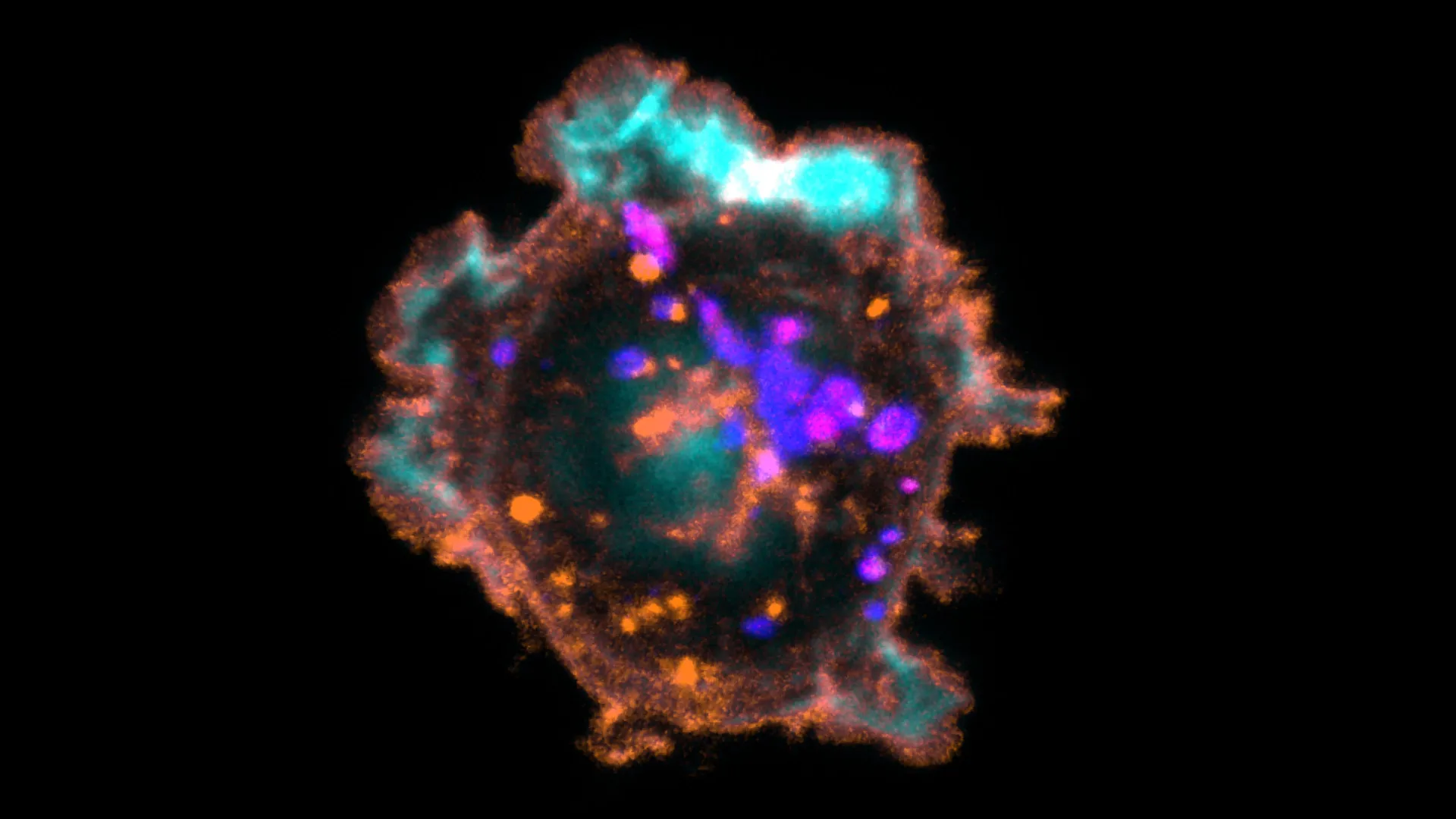
Scientists at the Garvan Institute of Medical Research have identified a previously unrecognized dysfunction in natural killer cells as a central mechanism driving mevalonate kinase deficiency, a rare genetic disorder characterized by severe and sometimes life-threatening inflammatory episodes. The findings, published in Immunity, contradict three decades of established research that focused primarily on macrophages as the source of dangerous inflammation in patients with the condition.
Mevalonate kinase deficiency affects hundreds of children and adults worldwide, though many cases likely remain undiagnosed. The disorder causes recurring attacks of high fever, skin rashes, joint pain, and abdominal inflammation, with the most severe episodes potentially causing fatal complications. Approximately half of current patients do not respond adequately to existing treatments, creating a substantial clinical need for alternative therapeutic approaches.
The research team examined blood samples from affected individuals and preclinical disease models, discovering that natural killer cells in MKD patients fail to mature properly and cannot effectively destroy infected cells. When these immune cells cannot eliminate their targets, they release excessive amounts of interferon gamma, a powerful inflammatory signaling molecule that activates other immune system components and triggers widespread inflammation. This mechanism explains how a disorder involving defective immune function paradoxically produces episodes of extreme inflammation.
The discovery has already informed a clinical application, with doctors at the Royal Children’s Hospital using baricitinib, a JAK inhibitor medication already approved for rheumatoid arthritis and eczema, to treat a severely affected infant. The patient experienced reduced inflammatory flare-ups and improvement in gastrointestinal inflammation. While results from a single patient cannot establish broad efficacy, the response provides early encouragement for targeting this previously unrecognized inflammatory pathway.
Researchers suggest their findings may extend to related genetic disorders involving the same metabolic pathway, termed prenylopathies. If this connection proves accurate across multiple diseases, scientists could identify shared mechanisms and develop more targeted diagnostic and treatment strategies.
Article Attribution | Read More at Article Source
Article summary produced by Claude AI