

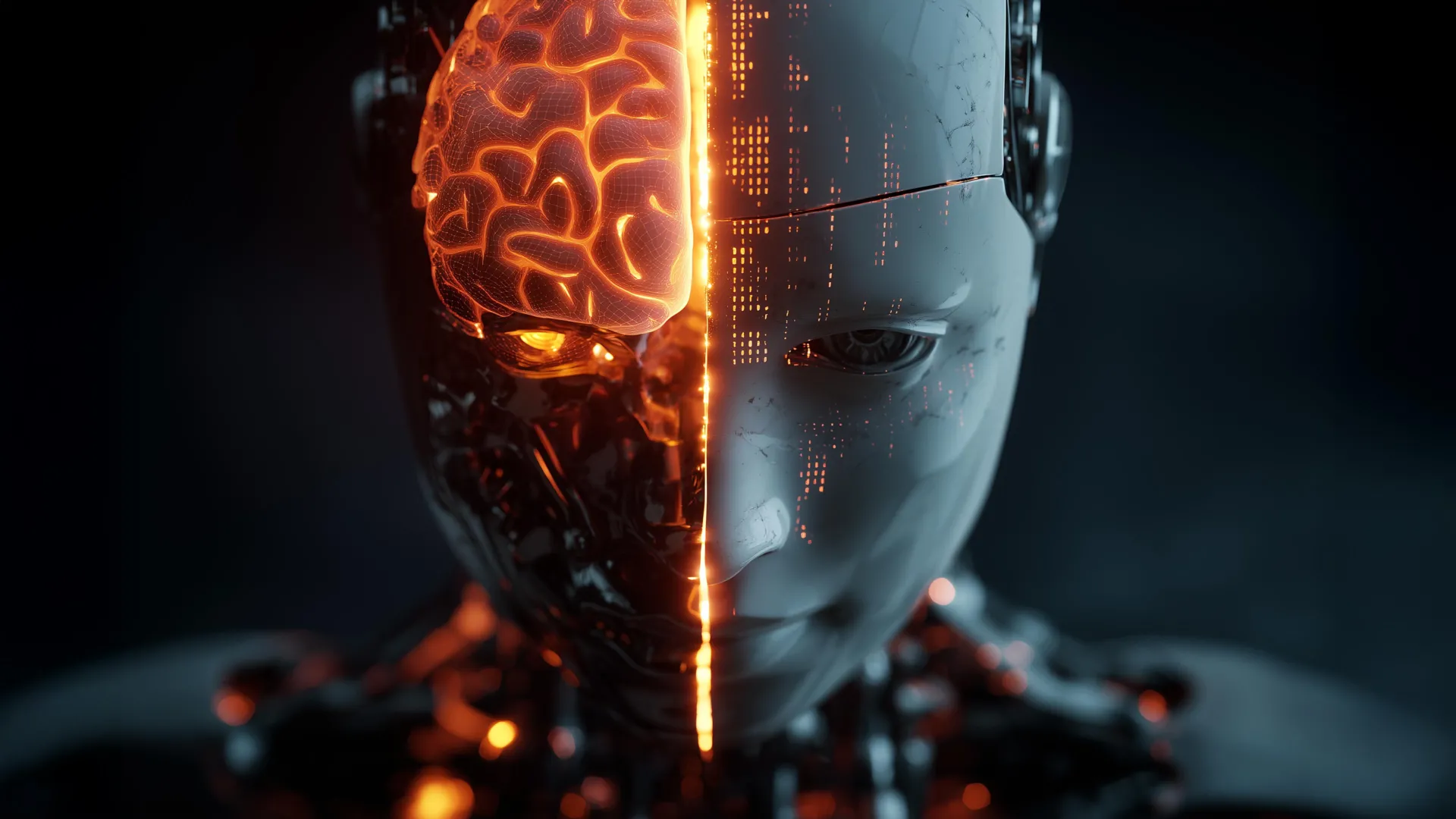
Researchers at York University have discovered that artificial intelligence systems may not operate like the human brain in ways previously assumed, despite their widespread use in neuroscience. The study, led by Assistant Professor Kohitij Kar, challenges the long-held belief that AI models designed to recognize objects function similarly to biological vision systems.
Traditionally, neuroscientists have validated AI neural networks by testing whether they can predict brain cell activity. However, the York team approached the question from the opposite angle using a method called reverse predictivity testing. Rather than only measuring how well AI could predict brain responses, they investigated whether recorded brain activity could equally predict what occurs inside the AI models. If these systems truly operated like the brain, the researchers reasoned, this bidirectional relationship should function symmetrically.
The research examined responses to over 1,600 visual images, including natural photographs and synthetic images of familiar objects displayed against various backgrounds. Additionally, researchers tested 300 images showing the same subjects in different visual styles such as outlines and artistic interpretations. The findings revealed a significant asymmetry: while AI models successfully predicted neuron responses, the reverse was not true. Brain activity proved far less effective at predicting many of the models’ internal features, a disconnect that did not appear when comparing neuronal activity across different brains.
This asymmetry suggests that AI systems can produce results resembling brain output while relying on entirely different internal mechanisms. The implications extend beyond vision research, as AI is increasingly used to investigate behavioral patterns, neurological conditions, and psychological disorders. Many such applications depend on the assumption that AI processes information similarly to the human brain. If this assumption proves incorrect, researchers could inadvertently draw misleading conclusions from models that appear accurate superficially but operate through different underlying processes.
The findings do not suggest abandoning artificial neural networks but rather offer a diagnostic framework for making them more scientifically reliable. Future work using similar AI models in studying hearing, language, and movement may require similar reassessment. Developing AI systems that more faithfully reproduce brain function could improve research into conditions ranging from post-traumatic stress disorder to autism, though current models warrant caution when applied to human behavior or clinical research.
Article Attribution | Read More at Article Source
Article summary produced by Claude AI